What to Do If a Tree Falls on Your House at Night

By Tree Emergency Expert
Tree Emergency Expert
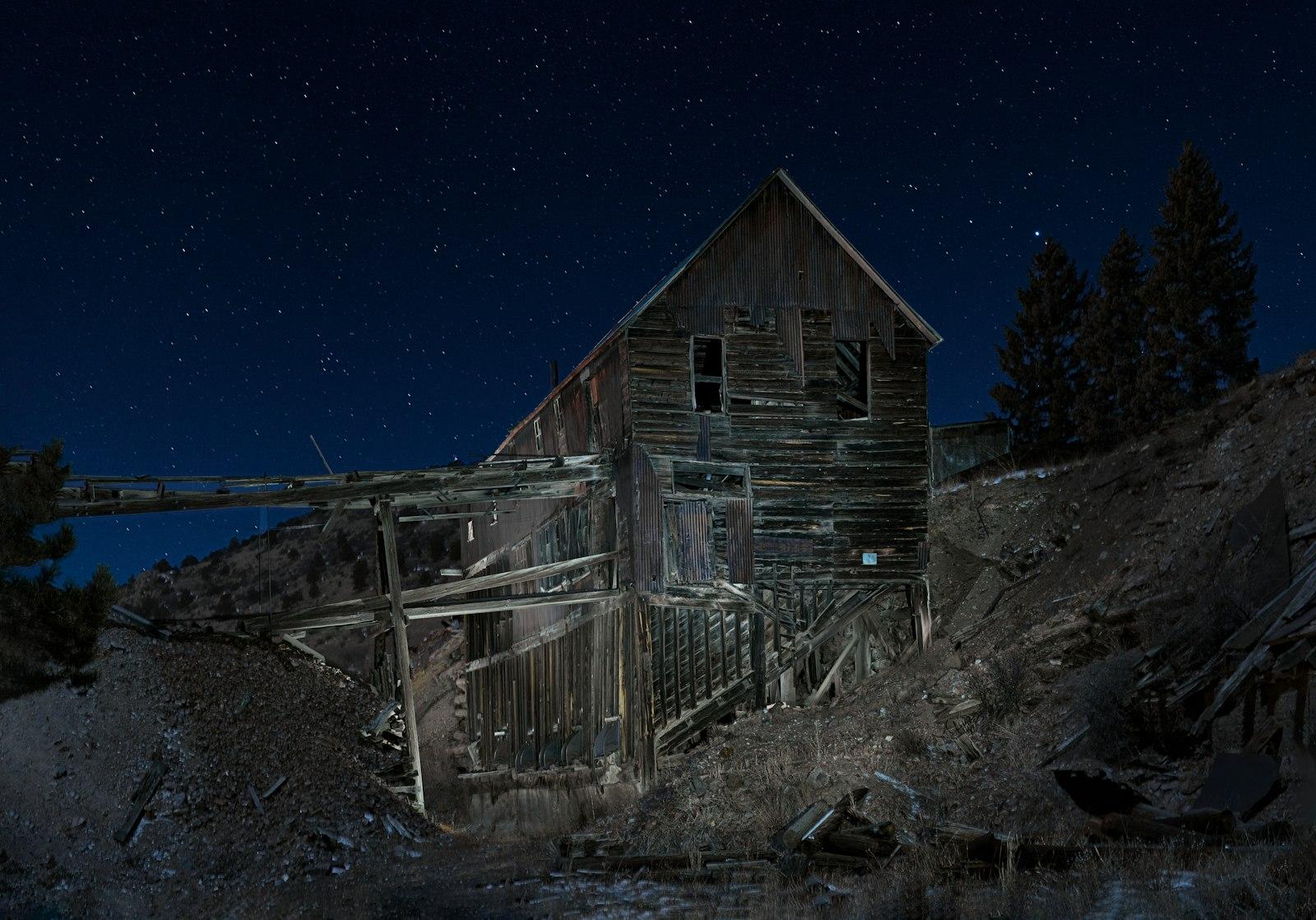
A tree falling on your house at night is disorienting and dangerous. Here is the exact sequence certified arborists recommend to stay safe until help arrives.
A tree crashing through your roof is frightening in daylight. At night, it is worse. You cannot see hazards clearly, help takes longer to arrive, and the temptation to investigate the damage yourself is strong. As certified arborists who answer these calls at 2 a.m. year-round, here is the exact sequence we walk homeowners through when a tree falls after dark.
Get Everyone Out and Accounted For
Your first priority is people, not the house. Move everyone away from the impact area, and leave the structure entirely if the roof, walls, or ceiling are sagging, cracking, or shifting. A fallen tree can still settle or roll, and a weakened roof can give way without warning in the dark.
Count heads, including pets, from a safe distance outside
Stay out of any room directly under or beside the impact
Do not go back in for belongings until the structure is cleared
Use Light Carefully and Watch for Hazards
Darkness hides the two dangers that turn an accident into a tragedy: downed power lines and gas leaks. Use a flashlight or phone light from a distance rather than walking up to the tree.
Power lines: If the tree is touching wires, or any lines are down nearby, assume everything is energized. Stay at least 35 feet back and call 911 and your utility.
Gas: If you smell rotten eggs or hear hissing, leave immediately and call your gas company from outside. Do not flip any switches.
Avoid open flame: Never use candles or lighters to see, especially if gas is possible.
Never climb onto the roof or try to cut branches in the dark. Poor footing, hidden tension in the wood, and low visibility make nighttime cutting extremely dangerous.
Shut Off Utilities Only If It Is Safe
If you can safely reach your main electrical panel and water shutoff without passing under the damaged area or near downed lines, turn them off to reduce fire and flooding risk. If reaching them means entering the damage zone, wait for professionals.
Document What You Safely Can
Insurers reward homeowners who record damage early. From a safe spot, take photos and short videos of the tree and any visible damage. Nighttime photos are imperfect, so plan to photograph again at first light. Keep a written note of the time the tree fell and what you did.
Share this article:
Need help with this right now?
We respond 24/7. Call (866) 320-7003 or start with the page that matches your situation.
Related services
Related Articles
Southern Rhode Island Coastal Storm Tree Damage Guide
From Westerly to Block Island, salt, sandy soil, and coastal gales stress shore trees. What southern Rhode Island homeowners should know before and after a storm.
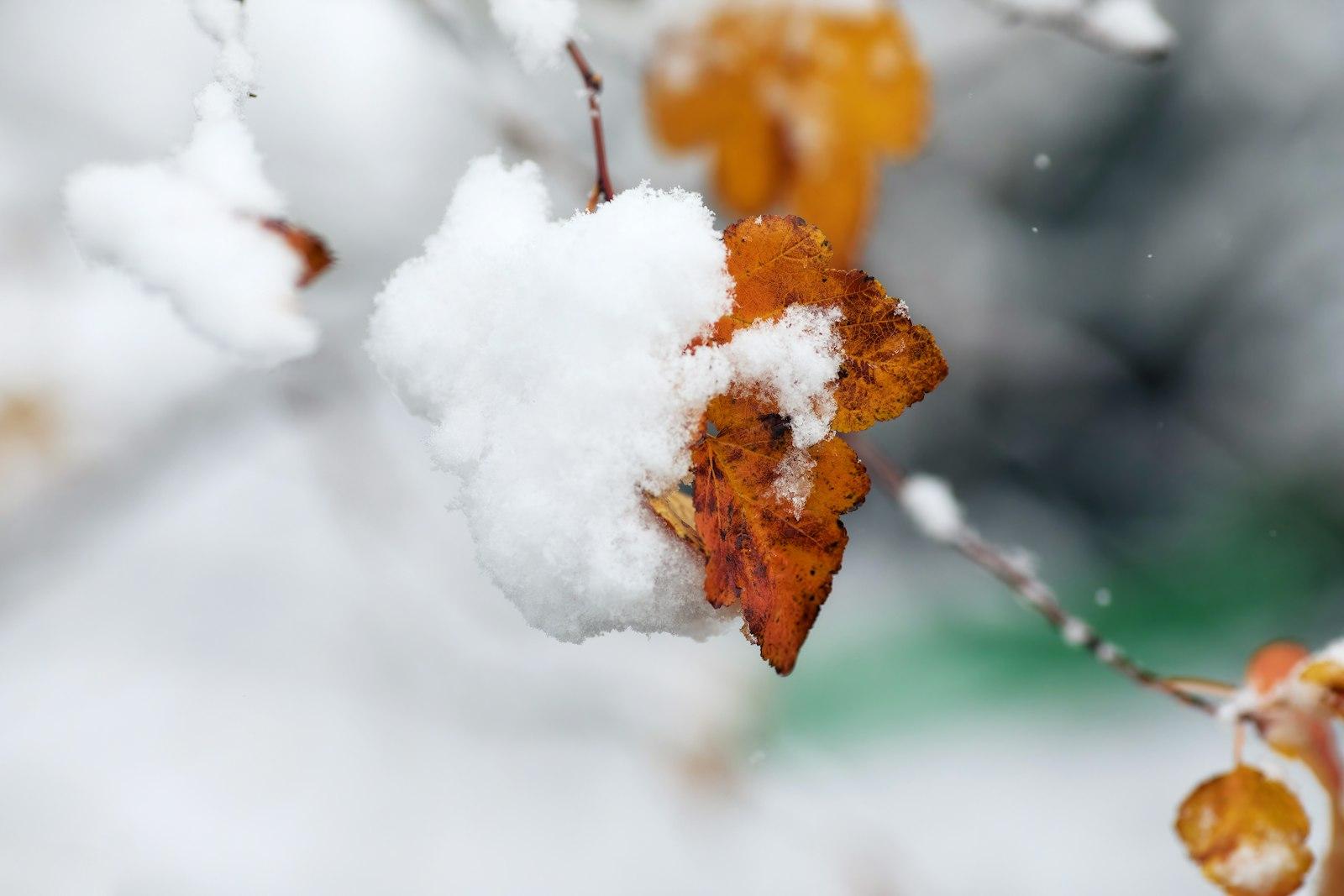
Why October Snow Breaks So Many Trees Still in Leaf
Early wet snow on trees still in full leaf can break more limbs than a big winter storm. Here is why it happens, what to do, and when to call an arborist.
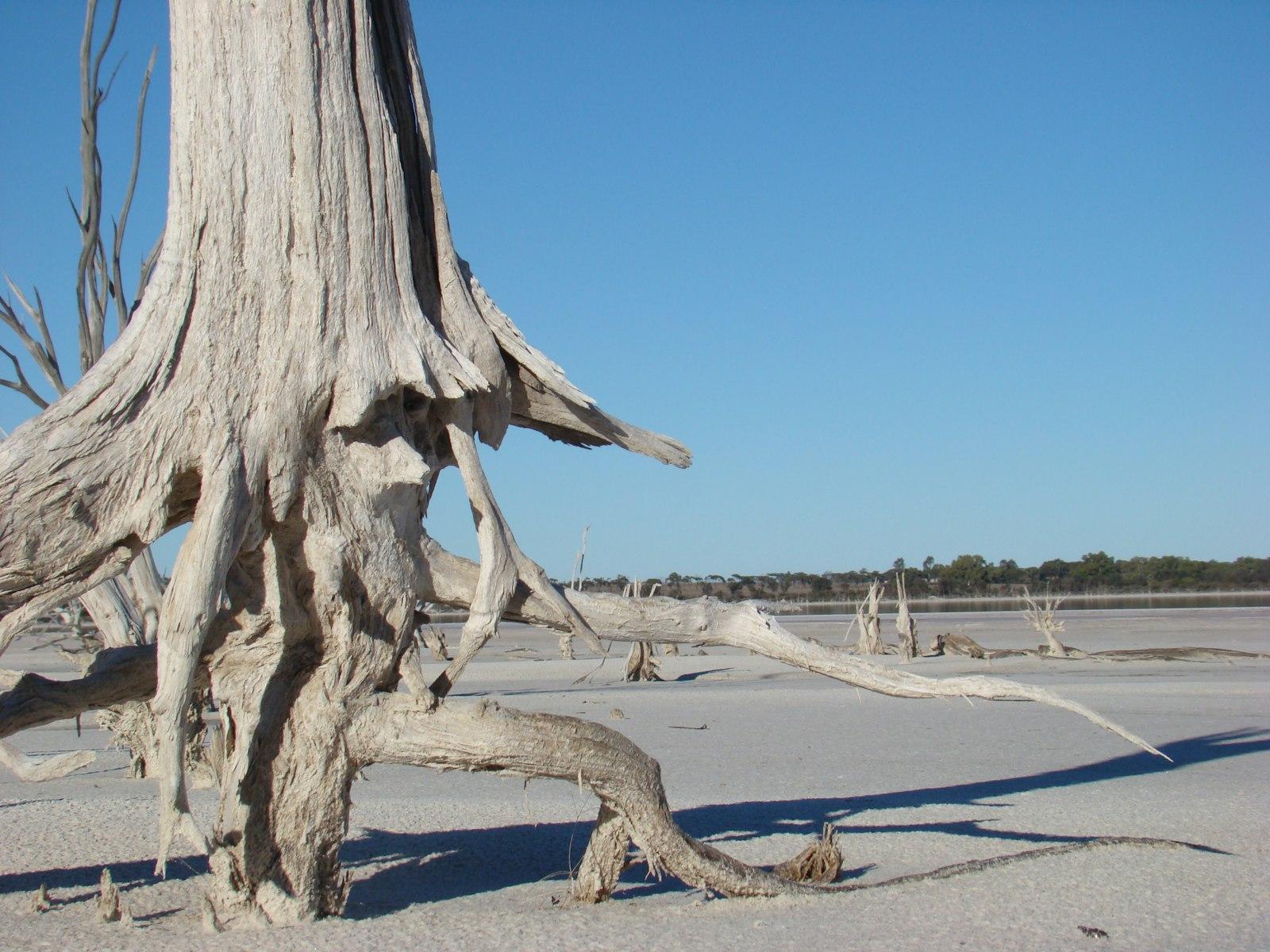
Drought-Stressed Trees and the Hidden Failure Risk
Need Emergency Tree Service?
Our team of certified arborists is available 24/7 to handle any tree emergency.