Southern Rhode Island Coastal Storm Tree Damage Guide

By Tree Emergency Expert
Tree Emergency Expert
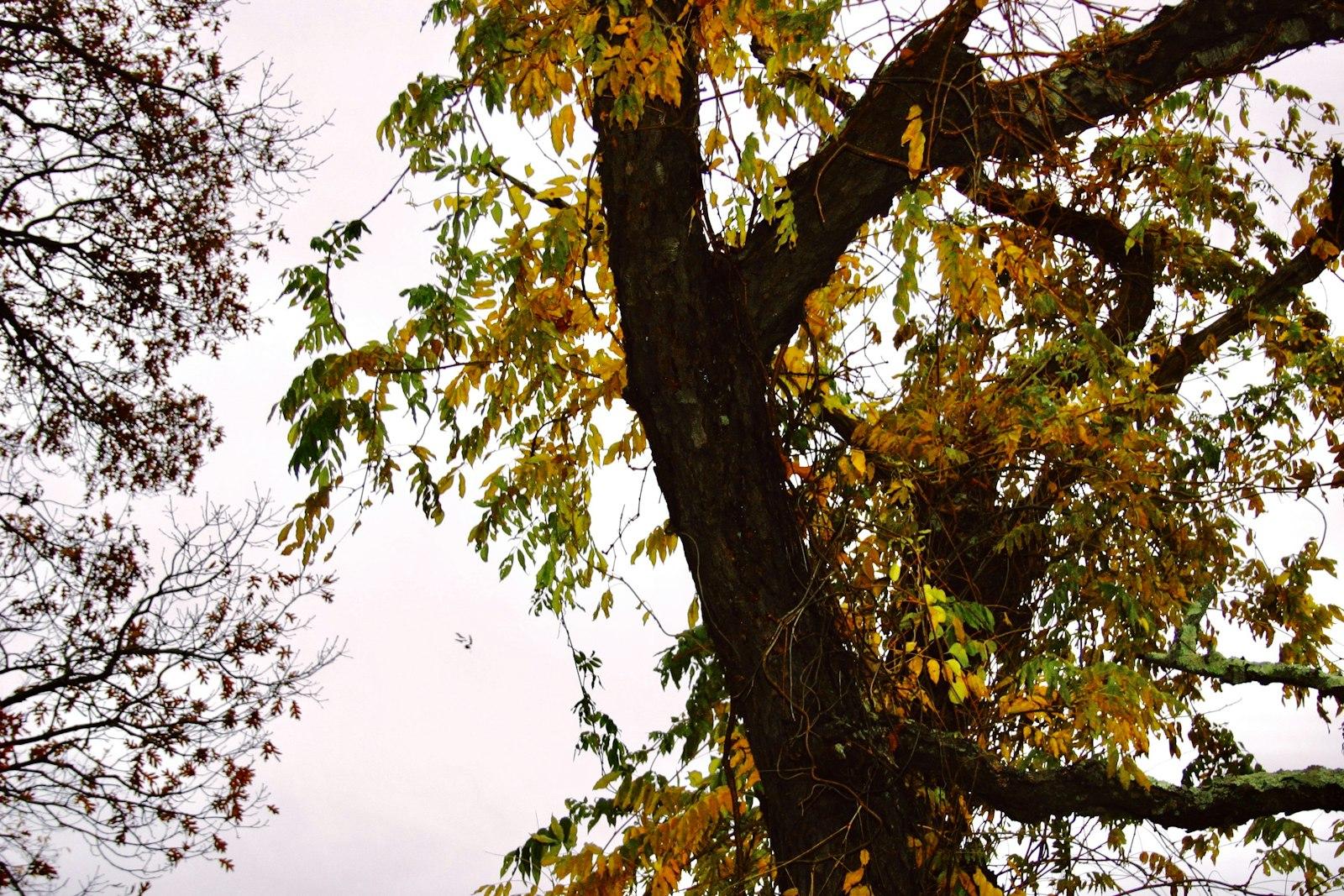
From Westerly to Block Island, salt, sandy soil, and coastal gales stress shore trees. What southern Rhode Island homeowners should know before and after a storm.
Southern Rhode Island's shoreline is beautiful and exposed. From Westerly and Charlestown to South Kingstown, Narragansett, and Block Island, trees face salt, sandy soil, and open-water wind that inland yards never see. Here is what certified arborists want coastal homeowners to know about storm tree damage along the South County shore.
Where the Wind Comes From
Many of the most damaging wind events here are not hurricanes. They are coastal lows and nor'easters that track up the coast, often with strong north and northeast winds on their back side. Those gales can hit trees from a direction they are not used to, and a tree that has leaned away from prevailing southwest breezes for decades may not be anchored for a hard push from the opposite side.
Tropical systems still matter. The 1938 Hurricane devastated the Rhode Island coast, and Tropical Storm Henri made landfall near Westerly in August 2021. When a storm is coming, watch for High Wind Watches and Warnings from the National Weather Service in Boston/Norton, which covers all of Rhode Island.
Why Shore Trees Fail
Salt stress: Salt spray and flooding burn foliage and weaken roots over time, leaving trees with thin crowns and dieback on the windward side.
Dead oaks: Southern Rhode Island lost many oaks to the 2016-2017 spongy moth outbreak combined with drought. Some of those dead trees are still standing, and dead wood breaks and uproots far more easily than live wood.
Sandy soils: Sandy, well-drained soils hold roots less firmly, especially when saturated by heavy rain before the wind arrives.
Shallow rooting: Where groundwater or ledge sits close to the surface, roots spread wide but not deep.
Seasonal Homes Need a Plan
Many shore homes sit empty for months. A tree can come down in a February nor'easter and sit on a roof for weeks before anyone notices. If you own a seasonal property:
Have someone check the property after every significant storm
Walk the lot with an arborist before you close up for the season
Keep your policy details and a contact for emergency service where a neighbor or caretaker can find them
Share this article:
Need help with this right now?
We respond 24/7. Call (866) 320-7003 or start with the page that matches your situation.
Service in your area
Related services
Related Articles
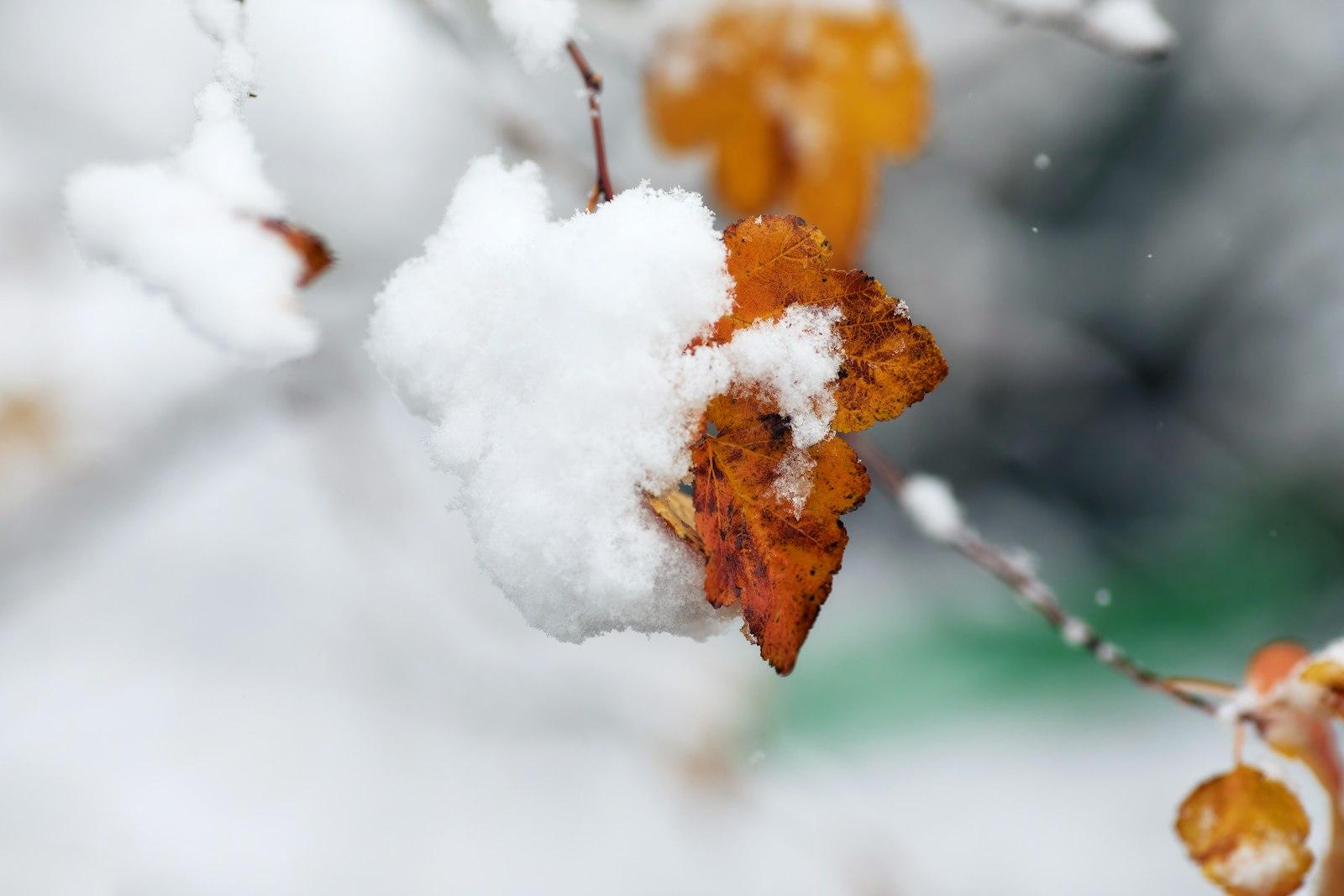
Why October Snow Breaks So Many Trees Still in Leaf
Early wet snow on trees still in full leaf can break more limbs than a big winter storm. Here is why it happens, what to do, and when to call an arborist.
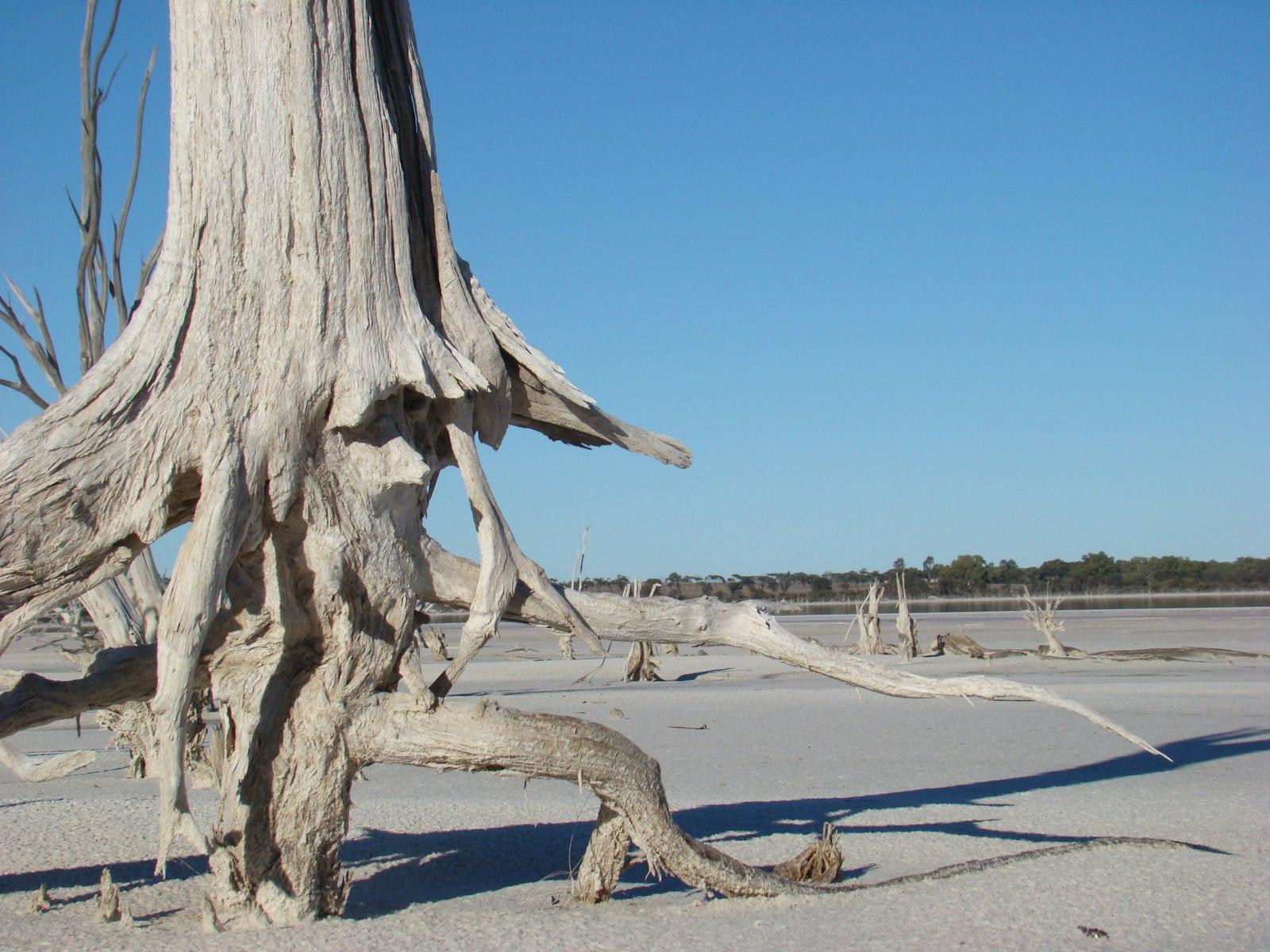
Drought-Stressed Trees and the Hidden Failure Risk
Drought does lasting damage to trees, raising the risk of limb drop and sudden failure. Learn the warning signs and how to reduce the danger to your home.
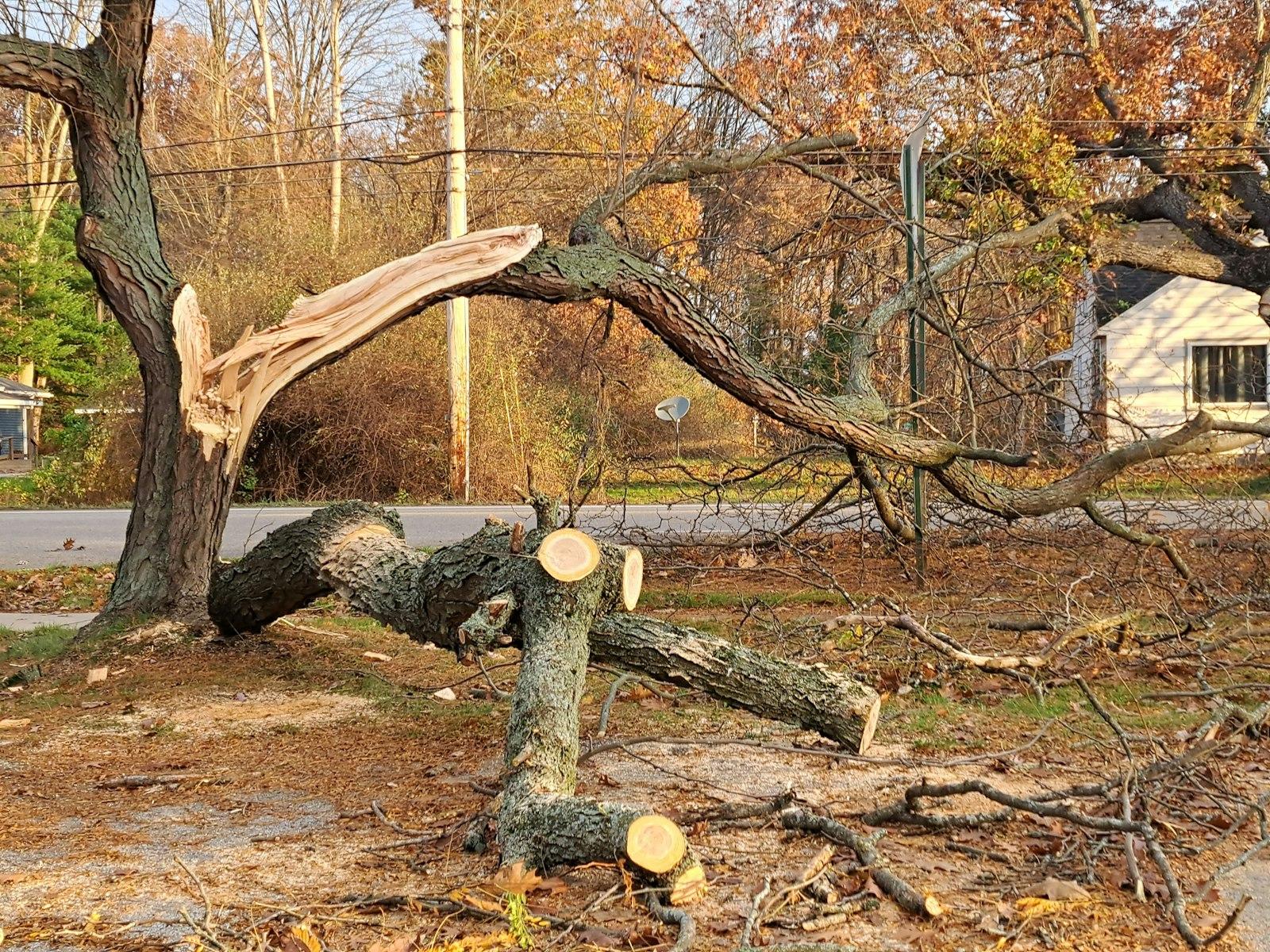
Tornado Tree Damage: What Homeowners Should Know
Need Emergency Tree Service?
Our team of certified arborists is available 24/7 to handle any tree emergency.