Why October Snow Breaks So Many Trees Still in Leaf

By Tree Emergency Expert
Tree Emergency Expert
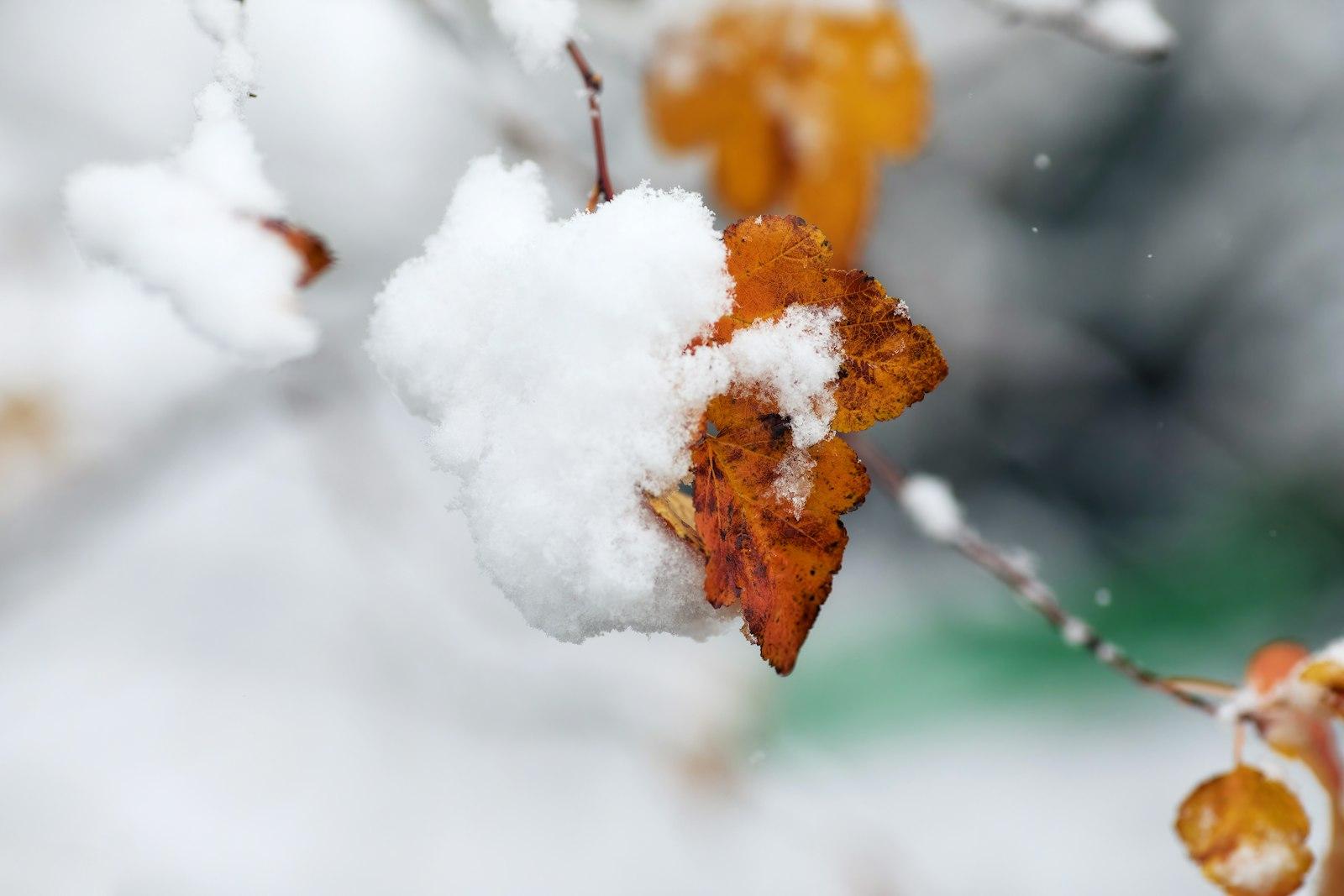
Early wet snow on trees still in full leaf can break more limbs than a big winter storm. Here is why it happens, what to do, and when to call an arborist.
Most New England trees are built to handle snow. By December, maples, oaks, and birches have dropped their leaves, and a bare crown lets snow sift through or slide off. The trouble comes when a storm arrives before the leaves are gone. An early-season wet snow on trees still in leaf can break more limbs in one night than a much bigger January storm.
Why Leaves Change Everything
A leafy crown acts like a net. Each leaf catches and holds snow, so a branch that would carry a thin dusting in winter ends up carrying a heavy, water-laden load spread across its entire length. Early-season snow also tends to be wet, with temperatures hovering near freezing, which makes it dense and sticky.
Surface area: Thousands of leaves per branch collect far more snow than bare twigs.
Leverage: Weight concentrated at branch tips bends limbs far out from the trunk, where the stress at the attachment point is greatest.
Timing: Many hardwoods are still in full canopy through late October, especially oaks, which hold leaves longer than most species.
When a limb fails, it often lands on the branches below and adds to their load, so damage cascades down through the tree.
Snowtober: The Storm That Proved It
On October 29, 2011, a nor'easter nicknamed "Snowtober" dropped heavy, wet snow across Connecticut and western Massachusetts while most trees were still fully leafed. Limbs and whole trees came down across roads, homes, and wires, and Connecticut saw record power outages. Many homeowners were without power for days, and cleanup stretched on for weeks. The lesson for arborists was clear: the calendar matters as much as the snowfall total.
What to Do During the Storm
Stay indoors and away from windows facing large trees. You may hear sharp cracks through the night as limbs let go.
Do not knock snow off loaded branches above your head. A limb under heavy load can snap without warning, and shaking it adds stress.
Move cars out from under large trees if you can do so safely before the heaviest snow arrives.
Treat every downed wire as live. Stay well back and report it to your utility and 911.
Watch your roof and gutters for limbs resting on them, but do not climb up to check.
Share this article:
Need help with this right now?
We respond 24/7. Call (866) 320-7003 or start with the page that matches your situation.
Related Articles
Drought-Stressed Trees and the Hidden Failure Risk
Drought does lasting damage to trees, raising the risk of limb drop and sudden failure. Learn the warning signs and how to reduce the danger to your home.
Tornado Tree Damage: What Homeowners Should Know
Tornadoes can uproot and snap trees in seconds and leave hidden hazards behind. Here is how to stay safe and respond after the storm passes.
Summer Thunderstorm and Derecho Tree Damage
Need Emergency Tree Service?
Our team of certified arborists is available 24/7 to handle any tree emergency.