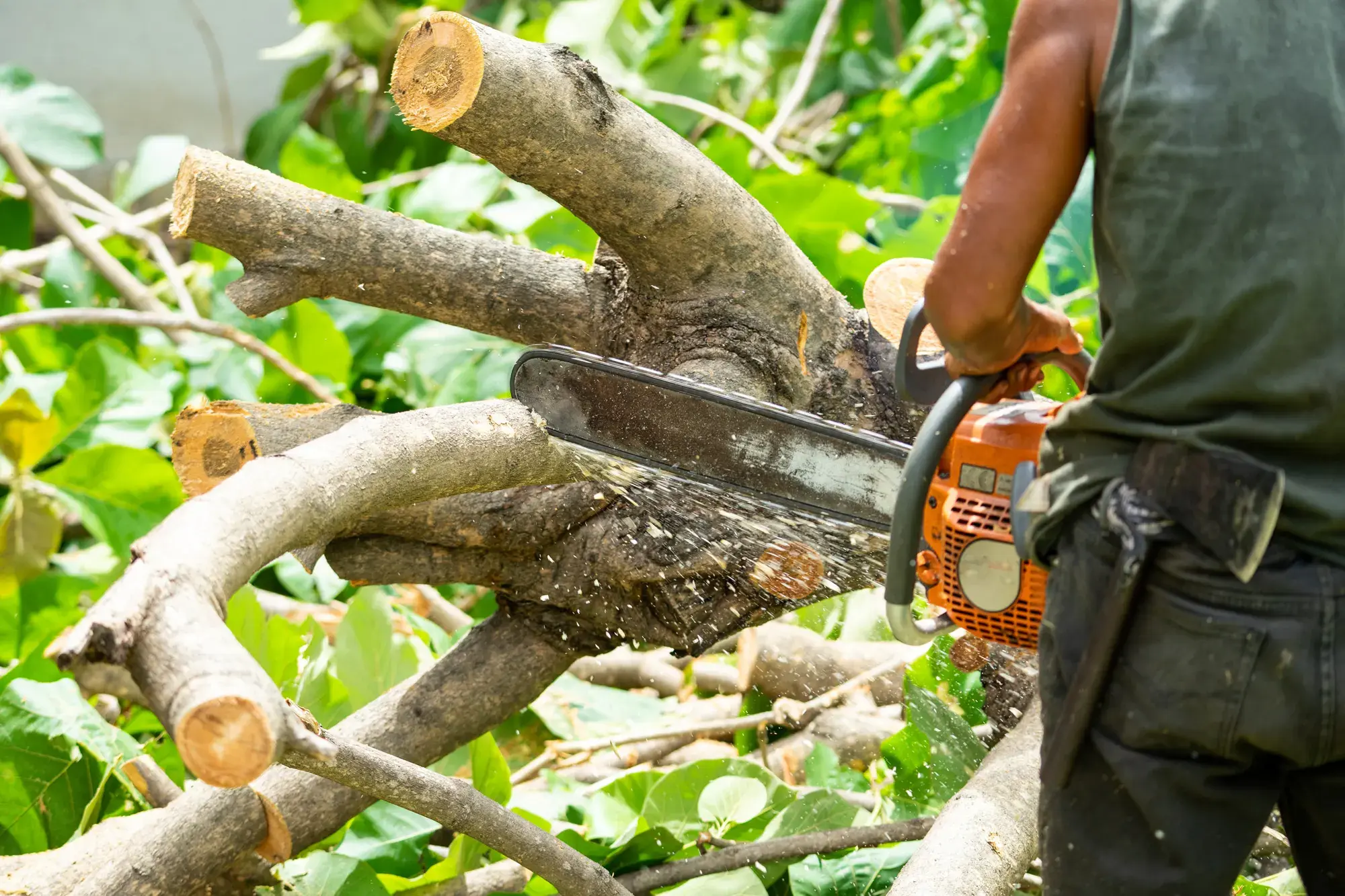
Emergency Tree Inspection After a Storm
The storm has passed, but that leaning or cracked tree still has you worried. A certified arborist comes out fast, tells you which trees are an immediate hazard, and prioritizes what needs to come down first.
Had a tree fall in my parents yard. I called 1 tree emergency and they offered quick response and were able to take care of the tree removal and ensure everything was done safely. They helped explain the options and gave multiple solutions for us to consider. Appreciate the great work they did and would definitely call them again if the need arises. Highly recommend.

Laura Schwartz
Google review
Free Estimate
Quick form for fast response
After the storm: signs a tree needs an inspection now
- 1
A tree is leaning more than it was before the storm, or the soil at its base is heaved, cracked, or lifting on one side — a sign the roots may have let go.
- 2
There's a fresh crack or split in the trunk or a major limb, or a large branch is hung up in the canopy waiting to fall.
- 3
Half the root plate is exposed, or you can see the tree shifting or the ground moving when the wind gusts.
- 4
A tree is resting against the house, a wire, or another tree and you can't tell how much load it's holding.
- 5
Keep people and vehicles out from under and around any suspect tree until an arborist has looked at it — do not stand beneath it to inspect.
- 6
Call (866) 320-7003 for a fast on-site inspection. If a tree is actively falling or on a power line, treat it as a 911 emergency first.
A fast read on which storm-damaged trees are actually dangerous
After a storm, the hard part is often not the tree that already fell — it's the ones still standing. A tree can look intact and be structurally compromised, or look alarming and be perfectly sound. An emergency tree inspection is a quick, on-site read by a certified arborist to tell the two apart before you spend money on the wrong tree or ignore the one that matters.
This is the rapid, reactive counterpart to a formal tree risk assessment. Instead of a scheduled, report-driven evaluation, an arborist comes out quickly, walks the storm-affected trees, and triages them: which are an immediate hazard, which need work soon, and which are fine to leave. The goal is a clear priority list while conditions are fresh and follow-up storms may still be coming.
If the inspection finds a tree that needs to come down, we can move straight into removal — including dangerous-tree-removal for compromised trees or crane work for heavy leaners over structures. And because we document what we find, the inspection also supports any storm-damage insurance claim you file.
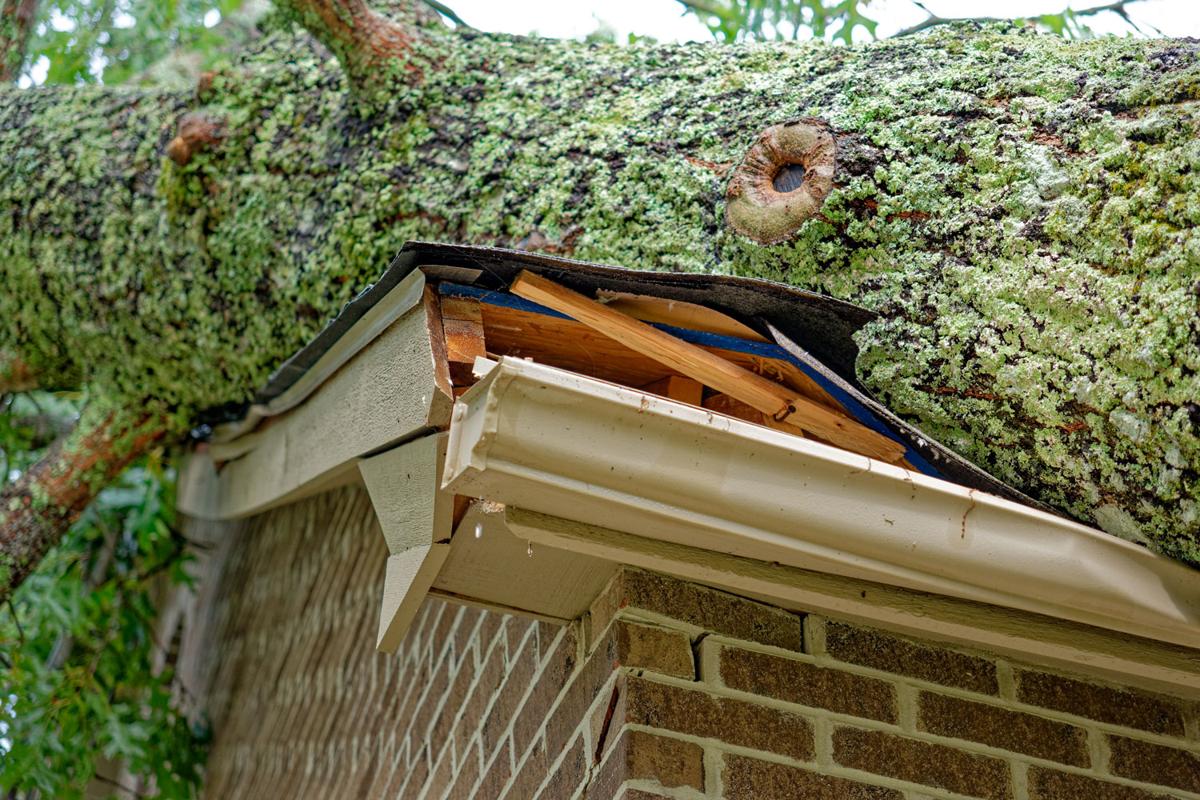
Post-storm triage: immediate hazards flagged, removals prioritized
We respond in minutes, not hours
Our network of certified arborists is on standby 24/7 to handle any tree emergency. From fallen trees to dangerous limbs, we provide rapid response to protect your property.
Why Choose Us
- Certified Experts
All our arborists are certified and fully insured
- Rapid Response
Average response time under 30 minutes
- Insurance Specialists
We handle all insurance paperwork for you
How our emergency inspection works
Clear steps. Fast action. Zero guesswork.
How We Handle Your Tree Emergency
Our streamlined process ensures quick response and efficient resolution of your tree emergency
Step :Call Us
Call (866) 320-7003 and describe what the storm left behind. We prioritize inspections by hazard and get an arborist out quickly — often the same day.
Step :Fast Arrival
A certified arborist arrives promptly with the gear to check root plates, trunks, and canopies without putting anyone under a compromised tree.
Step :Triage the Trees
We walk every storm-affected tree and sort them fast: immediate hazard, needs attention soon, or safe to leave — so nothing dangerous gets overlooked.
Step :Check the Structure
For each suspect tree we assess the lean, root heave, fresh cracks, hangers, and how much load it's carrying against a structure or line.
Step :Flag Immediate Hazards
Any tree that could fail imminently is marked and, if it threatens people or property, moved to the front of the removal queue right away.
Step :Prioritized Action List
You get a clear, ranked plan — what to remove first, what can wait, and what only needs monitoring — so cleanup dollars go where they matter.
Step :Documented Findings
We photograph and note conditions on site so you have a record to support a storm-damage insurance claim and to guide any follow-up work.
What our arborists bring to a post-storm inspection
Rapid Response
Inspections are prioritized by hazard and often happen the same day — because after a storm, an unstable tree can't wait for a scheduled appointment.
Failure-Point Assessment
We read the signs that matter in the field — root heave, fresh cracks, hangers, and lean — to judge how close a tree is to failing.
Immediate Triage
Trees are sorted into a clear priority list so you know exactly which ones threaten people or property and which are safe to leave standing.
Straight Into Removal
When a tree needs to come down, the same crew can execute the removal — including compromised leaners and crane picks over structures.
Our removals are led by ISA Certified Arborists. Around downed or damaged power lines, always follow your electric utility and the Electrical Safety Foundation — never approach a line yourself.
Storm-damage documentation for your claim
After a storm, insurers expect you to prevent further damage and to show what happened. A prompt arborist inspection does both: it identifies the trees most likely to cause additional damage so you can act, and it creates a dated, photographed record of storm-related conditions while everything is still fresh.
We note each hazard tree, its condition, and the recommended action on site, so if you file a claim you're not reconstructing the scene from memory later. If the inspection leads to emergency removals, that documentation carries straight through to the removal work and the storm-damage-cleanup that follows.
Learn more about our insurance claim support for tree damage — we document the scene and coordinate directly with your carrier.
Frequently Asked Questions
How is an emergency tree inspection different from a tree risk assessment?
An emergency tree inspection is fast and reactive — an arborist comes out quickly after a storm to triage which standing trees are an immediate hazard and prioritize removals. A tree risk assessment is the formal, scheduled version: a structured ISA TRAQ evaluation with a written report and risk ratings. Use the inspection when you need a quick read now; use the risk assessment for proactive, documented planning.
My tree is leaning after the storm — is it going to fall?
Not necessarily, but it needs to be checked. A new or increasing lean, especially with soil heaving or cracking at the base, can mean the roots have partially failed. Other leans are long-standing and stable. An arborist can tell the difference by examining the root plate and trunk — keep people and vehicles clear of it until then, and call (866) 320-7003 for a fast inspection.
How quickly can you inspect my trees after a storm?
We prioritize inspections by how dangerous the situation sounds and often get a certified arborist out the same day. If a tree is actively falling, resting on your house, or on a power line, treat it as a 911 emergency first, then call us so we can respond to the immediate hazard.
What does the arborist look for during a post-storm inspection?
They check each storm-affected tree for a new or worsening lean, heaved or cracked soil over the roots, fresh trunk and limb cracks, hung-up branches, exposed root plates, and how much load a tree is carrying against a structure or wire. From that they judge how close each tree is to failing and rank what needs to come down first.
Will a post-storm inspection help with my insurance claim?
Yes. We photograph and note storm-related tree conditions on site, giving you a dated record of what happened and what needs attention. Insurers expect prompt mitigation and documentation, and if the inspection leads to emergency removals, that record carries straight through the removal and cleanup work.
Related Tree Emergencies We Handle
Facing a different situation? We respond to every kind of tree emergency, 24/7:
What Happens Next
From the first call to a closed insurance claim, here's how we help:
From Our Blog
Practical guides from our certified arborists:
Get Emergency Help Now
We're available 24/7. Call (866) 320-7003 or request service below.
Get in Touch
Our team is available 24/7 to respond to your emergency or answer any questions
Contact Information
Location
254 Prospect Ave, Hartford, CT, 06106
Serving clients nationwide