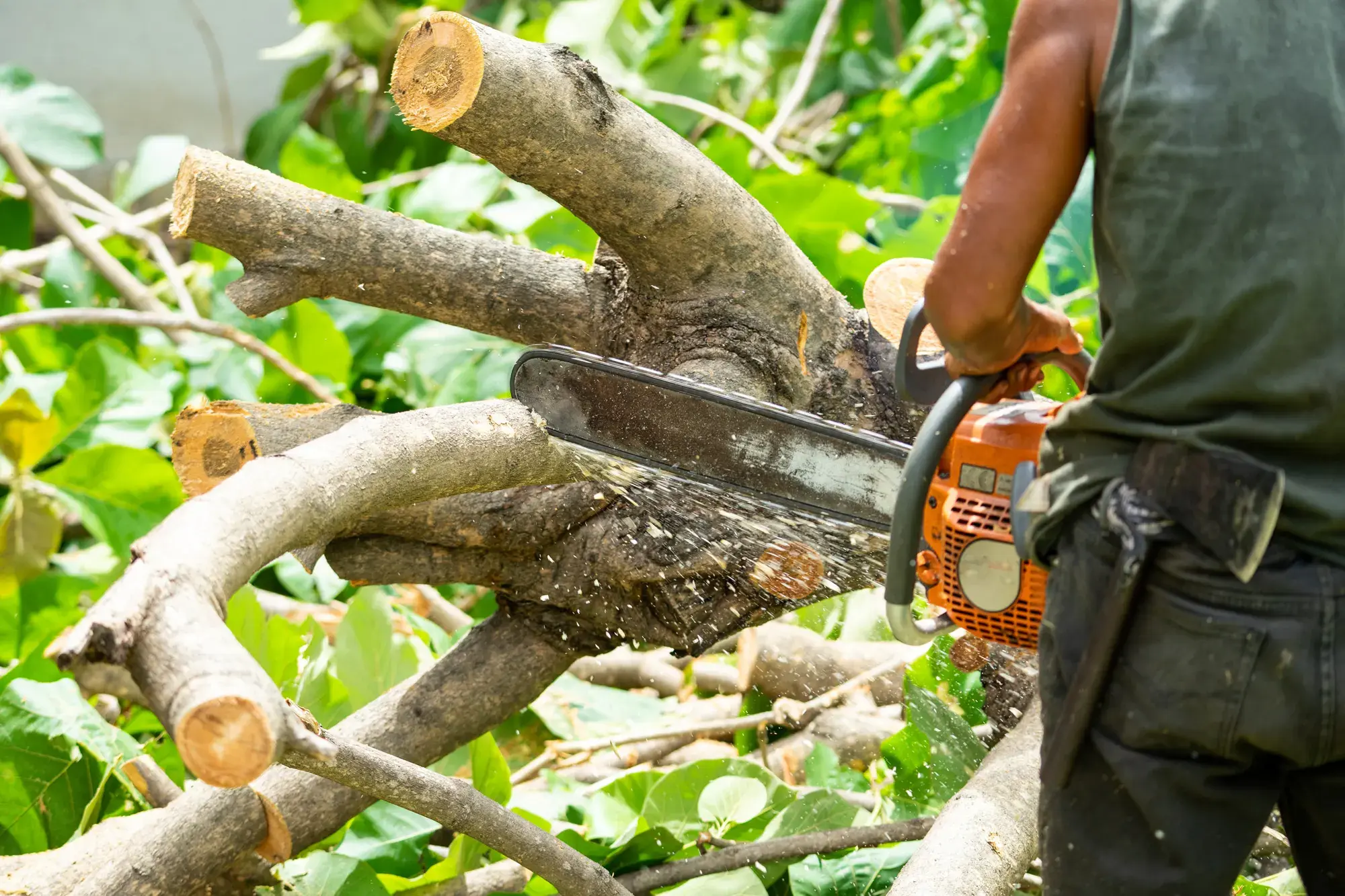
Emergency Tree Service in North Carolina
24/7 rapid response for hurricane damage, fallen trees, and hazardous limbs — from the Outer Banks and the Crystal Coast to Raleigh and Charlotte
Had a tree fall in my parents yard. I called 1 tree emergency and they offered quick response and were able to take care of the tree removal and ensure everything was done safely. They helped explain the options and gave multiple solutions for us to consider. Appreciate the great work they did and would definitely call them again if the need arises. Highly recommend.

Laura Schwartz
Google review
Free Estimate
Quick form for fast response
North Carolina takes the brunt of the storm. Our response doesn't flinch.
Hurricanes and tropical systems that slam the coast. Nor'easters and coastal flooding along the barrier islands. Tropical winds that reach far inland to Raleigh and Charlotte. Massive live oaks and loblolly pines meet coastal neighborhoods and saturated ground — a beautiful state, and a demanding one for trees.
The National Weather Service Newport/Morehead City (MHX) office covers the coast, with Raleigh (RAH) and Wilmington (ILM) tracking inland and Cape Fear conditions. Between surge, flooding, and tropical wind, failures come fast — so we plan for all of it.
Our teams stage from the Outer Banks to the Piedmont for faster arrival, even when NC 12 washes out, roads are closed, and the power is down.
Field insight:
Saltwater surge and coastal flooding wash out root plates, so coastal trees fall unexpectedly long after the wind drops. We read root wash, erosion, and lean before any cut, then rig or crane each section down while respecting CAMA zones and dune protections.
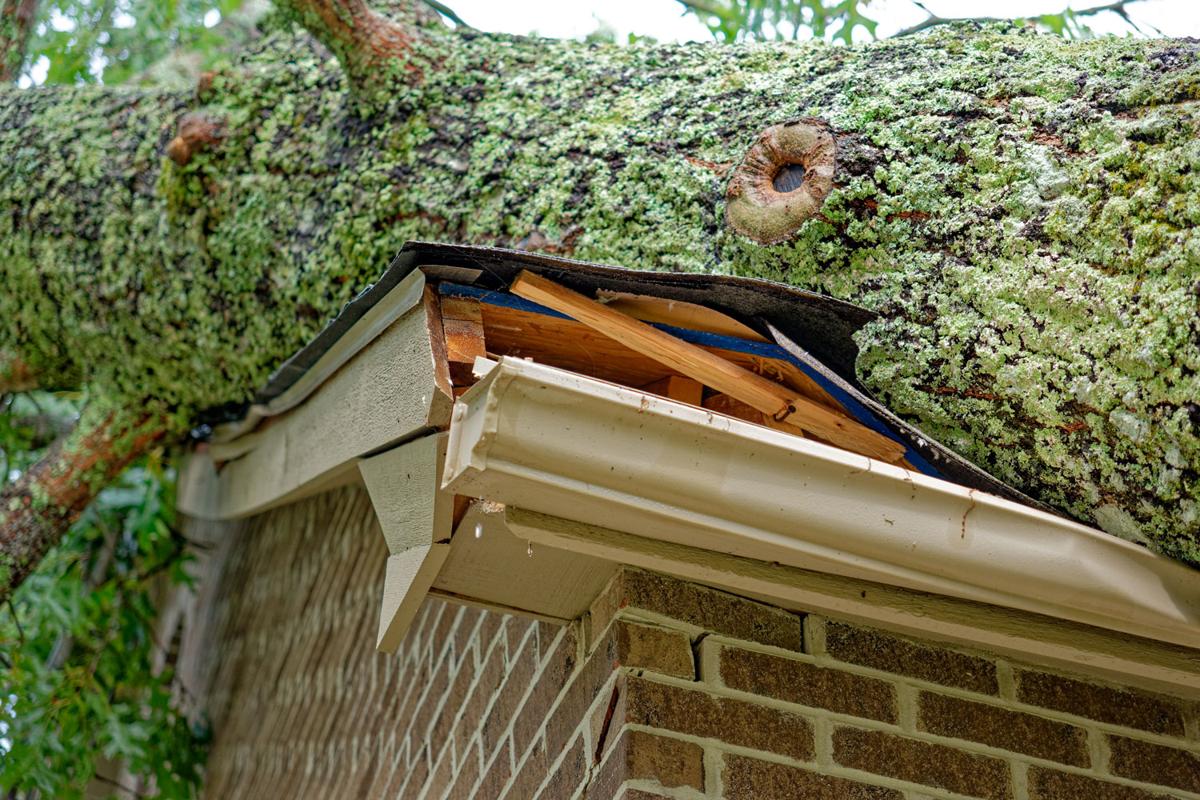
Statewide storm response — roof protected, driveway reopened, dunes respected
We respond in minutes, not hours
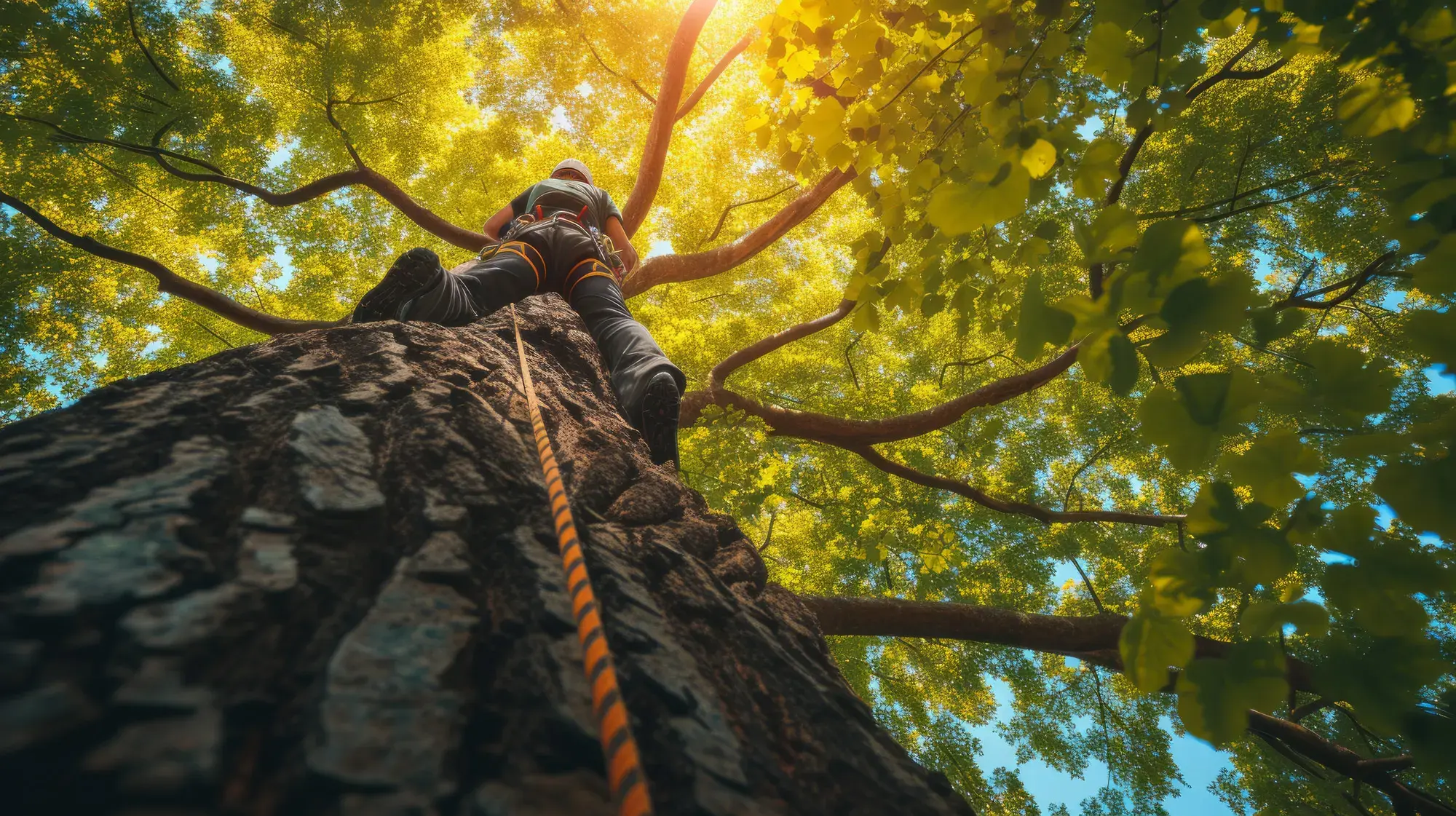
Our network of certified arborists is on standby 24/7 to handle any tree emergency. From fallen trees to dangerous limbs, we provide rapid response to protect your property.
Why Choose Us
- Certified Experts
All our arborists are certified and fully insured
- Rapid Response
Average response time under 30 minutes
- Insurance Specialists
We handle all insurance paperwork for you
Emergency Tree Services Across North Carolina
One call covers it — tree on a roof, blocked egress, tangled in lines, or a leaner over a bedroom.
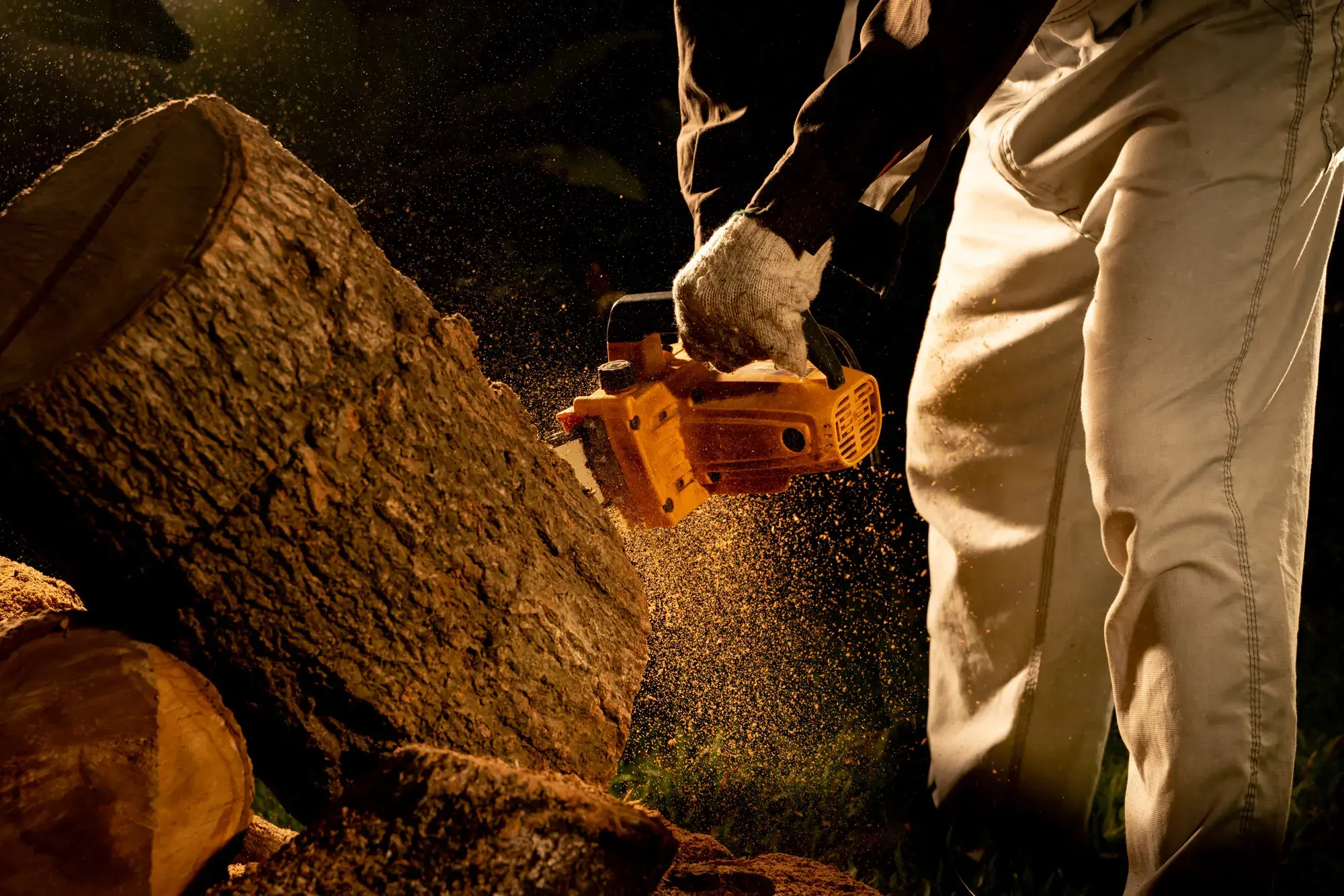
Emergency Tree Removal
Rapid removal of fallen or dangerous trees threatening your property
Learn more
Storm Damage Response
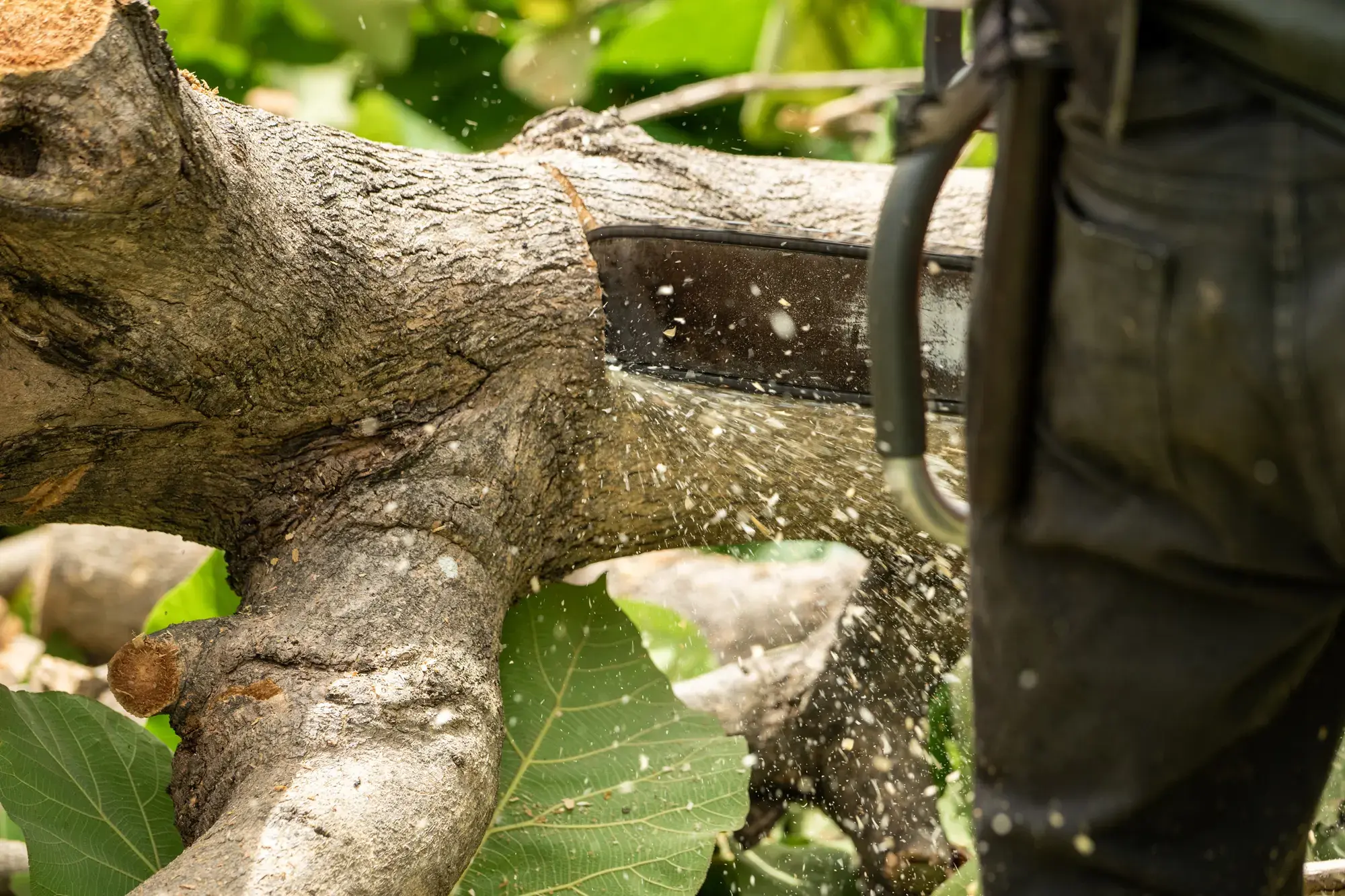
Immediate cleanup after storms, including fallen limbs and damaged trees
Learn more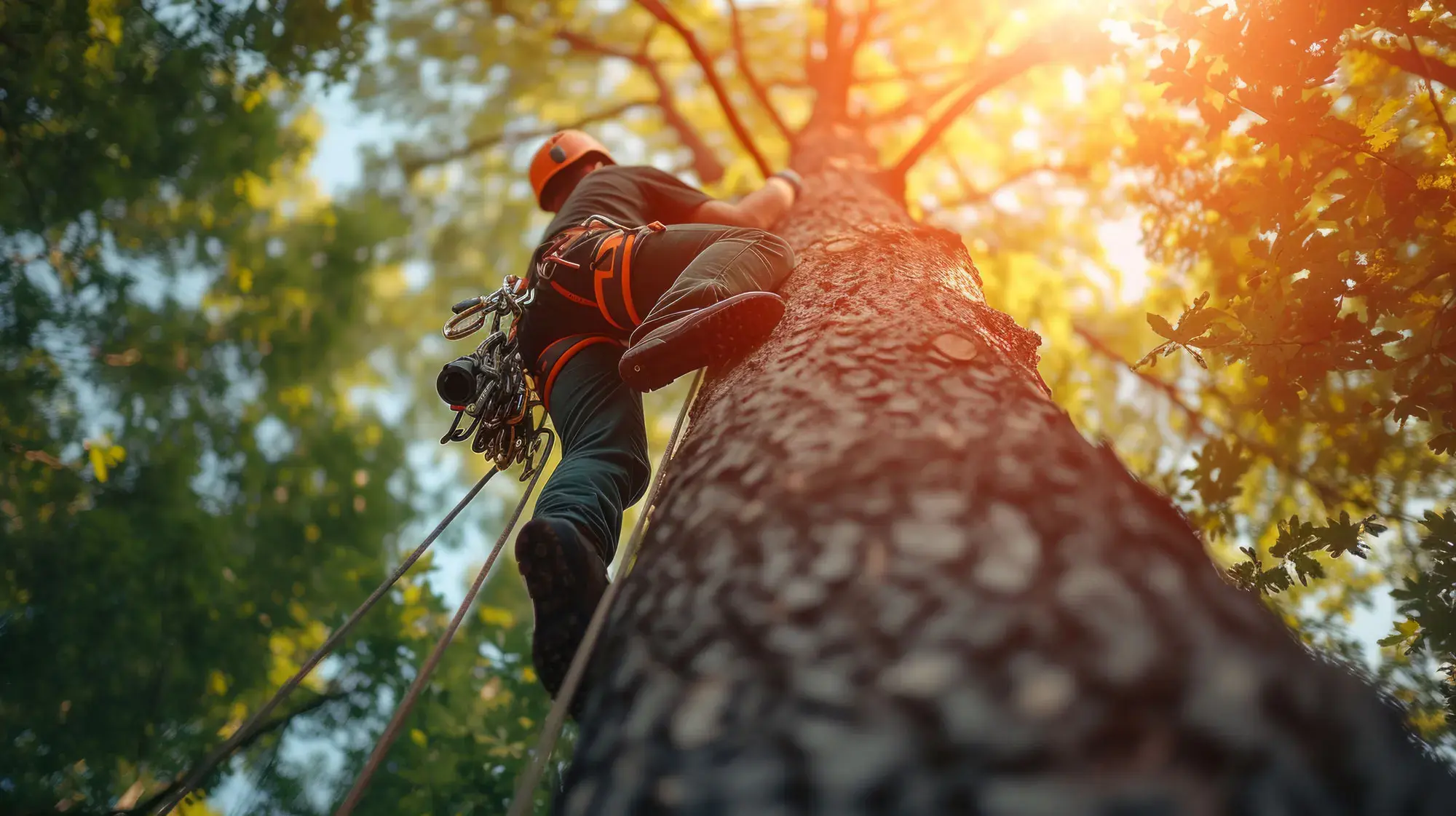
Hazard Assessment
Professional evaluation of potential tree hazards before they cause damage
Learn more
Our North Carolina Emergency Response Process
Clear steps. Fast action. Zero guesswork.
How We Handle Your Tree Emergency
Our streamlined process ensures quick response and efficient resolution of your tree emergency
Step :Emergency Call
Call our North Carolina hotline at (866) 320-7003. We're live 24/7 — hurricanes, nor'easters, coastal flooding, tropical wind, you name it.
Step :Rapid Response
We dispatch crews statewide and route dynamically around washouts and closures. Typical emergency arrival is 1–2 hours, even during major events.
Step :Safety Assessment
A certified arborist evaluates structure risk, root wash and heave, lean, and line proximity to plan a safe, efficient removal.
Step :Professional Removal
Advanced rigging and crane-assisted picks prevent secondary damage — critical on tight coastal lots and dune-stabilized properties.
Step :Property Protection
Ground mats, spotters, controlled lowering, and dune-fence protection safeguard lawns, drives, decks, and hardscapes.
Step :Complete Cleanup
Chipping, bucking, and debris haul-away — disposed under Dare, Hyde, and other county guidelines. Clean, compliant, done.
Step :Insurance Assistance
We document damage with photos, measurements, and GPS-mapped reports, then coordinate with your carrier to help speed approval.
Common Tree Challenges in North Carolina
Each species fails differently under stress. Knowing the patterns lets us remove hazards without creating new ones.
Live Oak
Massive spreading limbs crack in intense tropical wind; collapse is sudden and dangerous
Loblolly Pine
Tall and top-heavy; uproots or snaps in hurricane-force gusts and saturated soil
Red Maple
Fast-growing with weak wood; limbs tear out in wind and saturated ground
Bald Cypress
Flooded roots lose grip fast in surge zones — they fall unexpectedly
Wax Myrtle
Multi-stem coastal shrub-tree; splits and uproots easily in high wind
North Carolina Tree Regulations
Coastal North Carolina adds special rules: CAMA Areas of Environmental Concern, protected dunes, and local tree ordinances in towns like Nags Head, Duck, and Kill Devil Hills. Emergency removals of immediate hazards are generally allowed, but permanent removals may require permits. We handle coordination where required.
Inland, boulevard and public right-of-way trees are typically managed by city or county authorities. Private property emergency removals — immediate hazards or trees already down — are usually permitted promptly. We advise based on your local jurisdiction and document damage for insurers.
Helpful links: NC Forest Service, Trees Are Good (ISA arborist resource).
North Carolina Cities We Serve
Explore our dedicated emergency tree service pages for cities and towns across North Carolina — each with local response times, common tree hazards, town regulations, and insurance support.
North Carolina Areas We Serve
The Outer Banks
Wilmington
The Crystal Coast
Coastal NC
Raleigh
Charlotte
Dare County
New Hanover County
What North Carolina Homeowners Say
Fast. Safe. Meticulous cleanup. That's our standard — every single time.
Laura Schwartz
August 2026
Had a tree fall in my parents yard. I called 1 tree emergency and they offered quick response and were able to take care of the tree removal and ensure everything was done safely. They helped explain the options and gave multiple solutions for us to consider. Appreciate the great work they did and would definitely call them again if the need arises. Highly recommend.

Terri Lemieux
August 2026
Very professional hard working crew. Came out to my home quickly after massive tree came down in storm and made quick work to cut and remove. Would very highly recommend to anyone in need of tree work.

william gwinnell
July 2026
Done on time and very professional

James. Perona
July 2026
The workers did a great job with the tree very professional and cleaned up the yard the wood guys also did a great job removing the tree all worked very hard and even cleaned up the street great crews I am very satisfied thank you

Dar Johnson
June 2026
These guys go above and beyond!! Would recommend to everybody!

Natalya Spruit
June 2026
Very professional and knowledgeable crew. Came fast and did the job efficiently and safely and cleaned up after. Very satisfied and would recommend. Also helped me to understand the process working with insurance company and steps involved.
North Carolina Storm Resources
Frequently Asked Questions: North Carolina Tree Emergencies
How fast can you respond statewide in North Carolina?
For immediate hazards (on a structure, blocking egress, power risk), we typically arrive within 1–2 hours — even during major hurricane events, routing dynamically around washouts and closures. Lower-risk calls are triaged by safety, with same- or next-day service.
Do I need a permit to remove a fallen or hazardous tree in North Carolina?
Emergency removals for immediate hazards are generally allowed promptly. On the coast, CAMA zones, protected dunes, and local tree ordinances may require approval for non-emergency work. We'll advise and handle coordination.
Will insurance cover hurricane tree removal in North Carolina?
Most policies cover removal when an insured structure (home, garage, fence) is damaged. If a tree falls without structural damage, coverage varies. We document thoroughly — including GPS-mapped reports — and coordinate with your carrier to help speed approval.
What should I do if a tree hits or touches power lines?
Stay back at least 50 feet and call your utility (Duke Energy, Dominion Energy, or your local co-op such as Cape Hatteras EMC). Don't approach fences or pooled water that could be energized. Once utilities secure the scene, we proceed safely.
Can you reach the Outer Banks when NC 12 is flooded?
Yes. We shift to alternate routes, bridges, and ferry options, and our dispatch monitors real-time closures. Most coastal calls still get a response within 1–2 hours despite washouts.
Nearby States We Serve
From Our Blog
Storm prep, emergency how-tos, and insurance guidance from our certified arborists:
Request Emergency Tree Service in North Carolina
We're available 24/7 across North Carolina.
Get in Touch
Our team is available 24/7 to respond to your emergency or answer any questions
Contact Information
Location
254 Prospect Ave, Hartford, CT, 06106
Serving clients nationwide