Drought-Stressed Trees and the Hidden Failure Risk

By Tree Emergency Expert
Tree Emergency Expert
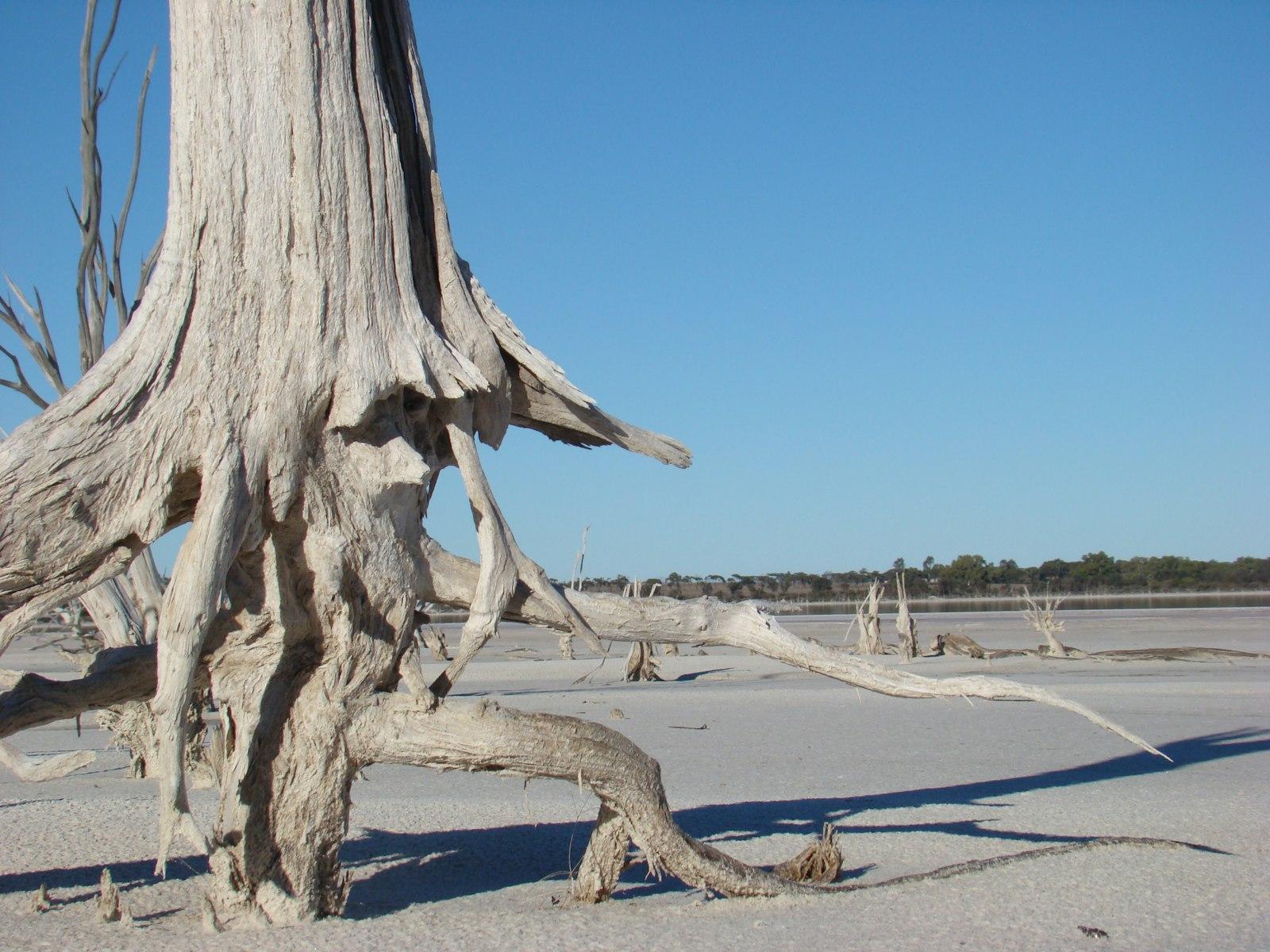
Drought does lasting damage to trees, raising the risk of limb drop and sudden failure. Learn the warning signs and how to reduce the danger to your home.
Why Drought Makes Trees More Dangerous
Drought is easy to underestimate. Unlike a storm that brings a tree down in minutes, drought works slowly, weakening a tree over months and years until it fails on an ordinary, windless day. For homeowners, that hidden decline is exactly what makes drought-stressed trees so risky. Understanding how water shortage damages trees, and what warning signs to watch for, can help you act before a weakened tree becomes a hazard over your home.
How Drought Damages a Tree
When soil moisture runs low, a tree cannot move water and nutrients through its system the way it should. Fine feeder roots die back, the canopy thins, and the tree diverts energy to survival rather than defense. The consequences build over time:
Root decline: dead feeder roots reduce anchorage and make uprooting more likely
Dieback: branches die from the tips inward, creating brittle deadwood high in the crown
Cracking: wood dries and checks, weakening limbs and branch unions
Pest and disease invasion: stressed trees lose the ability to fend off borers and fungi
Crucially, the damage often outlasts the drought itself. A tree can look like it recovered once the rain returns, while decay and root loss have already set the stage for failure a season or two later.
Sudden Limb Drop and Whole-Tree Failure
Drought is strongly associated with sudden branch drop, where a large, seemingly healthy limb falls with no wind and no warning, often on a hot, still afternoon. Weakened roots also raise the odds of whole-tree failure when a storm finally does arrive, because there is less anchorage holding the tree upright. In both cases, the tree gives little notice, which is why proactive inspection matters so much during and after dry spells.
Warning Signs to Watch For
Walk your property during and after a drought and look for the signs that a tree is in trouble:
Leaves that wilt, scorch at the edges, yellow, or drop early
A thinning canopy or bare branches high in the crown
Dead twigs and small branches littering the ground
Cracks in the trunk or peeling, loose bark
Share this article:
Need help with this right now?
We respond 24/7. Call (866) 320-7003 or start with the page that matches your situation.
Related Articles
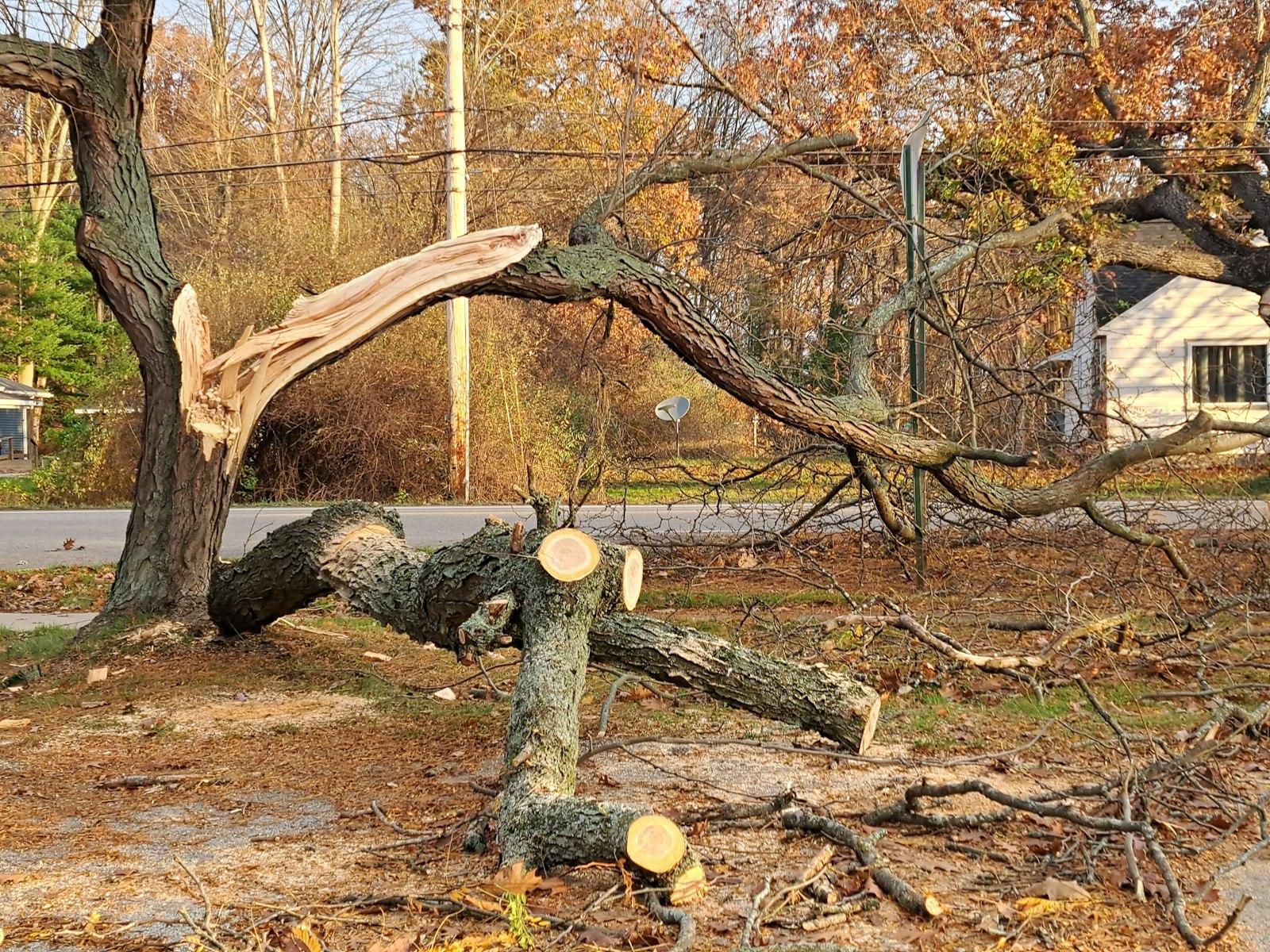
Tornado Tree Damage: What Homeowners Should Know
Tornadoes can uproot and snap trees in seconds and leave hidden hazards behind. Here is how to stay safe and respond after the storm passes.
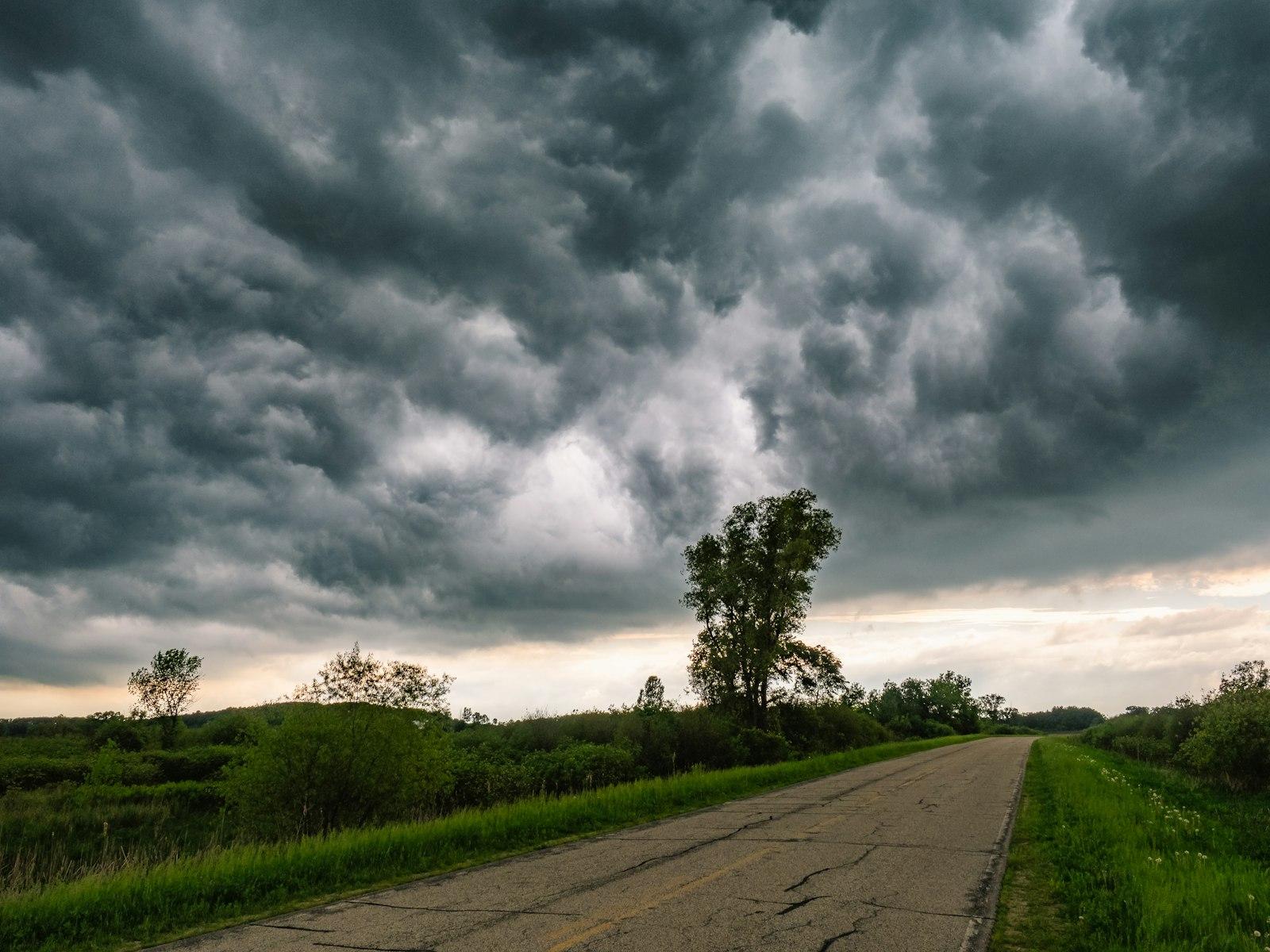
Summer Thunderstorm and Derecho Tree Damage
Summer thunderstorms and fast-moving derechos can topple healthy trees in minutes. Here is how to stay safe, spot hazards, and respond after the storm.
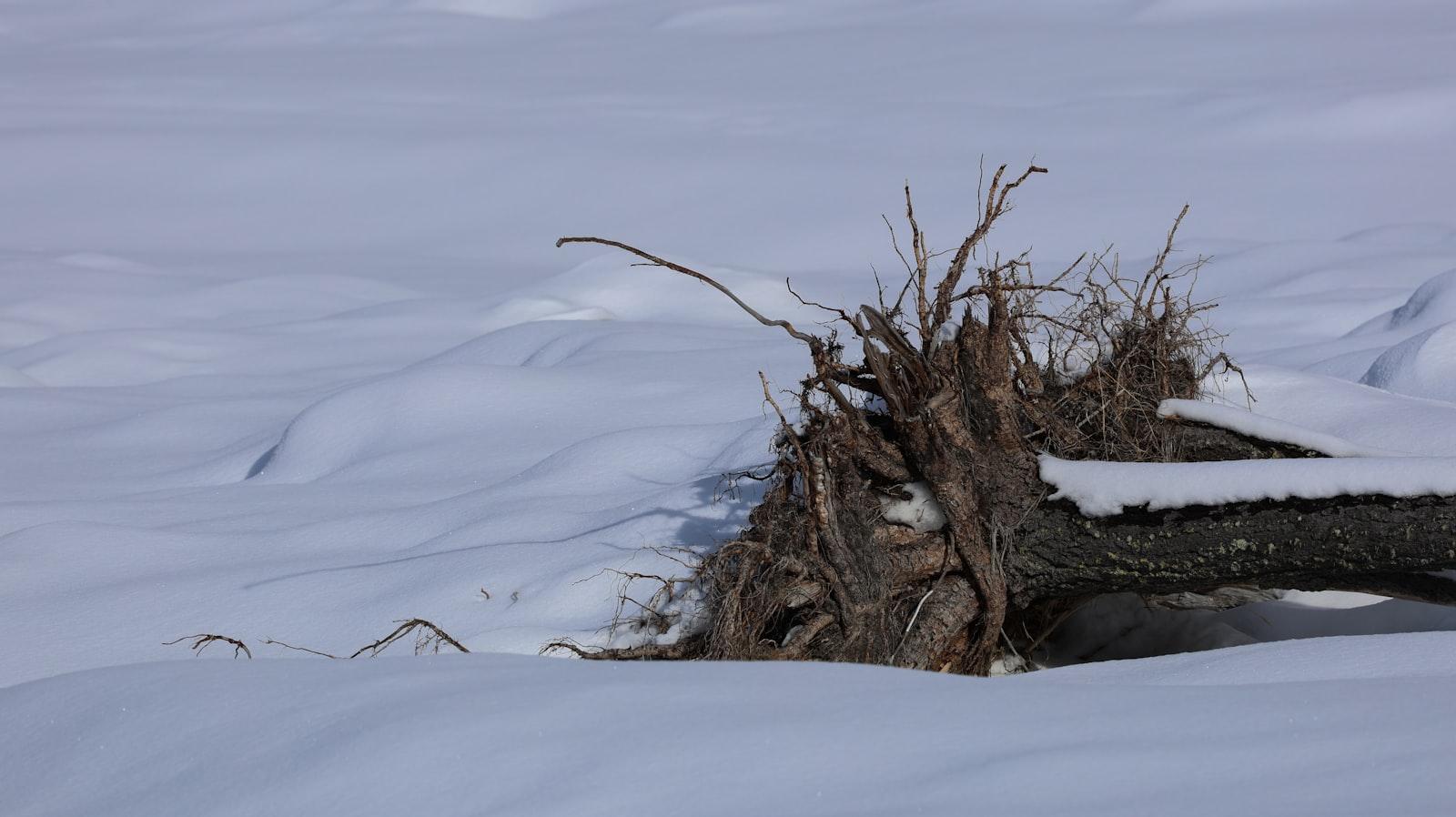
Root Damage and Why Trees Uproot in Storms
Need Emergency Tree Service?
Our team of certified arborists is available 24/7 to handle any tree emergency.