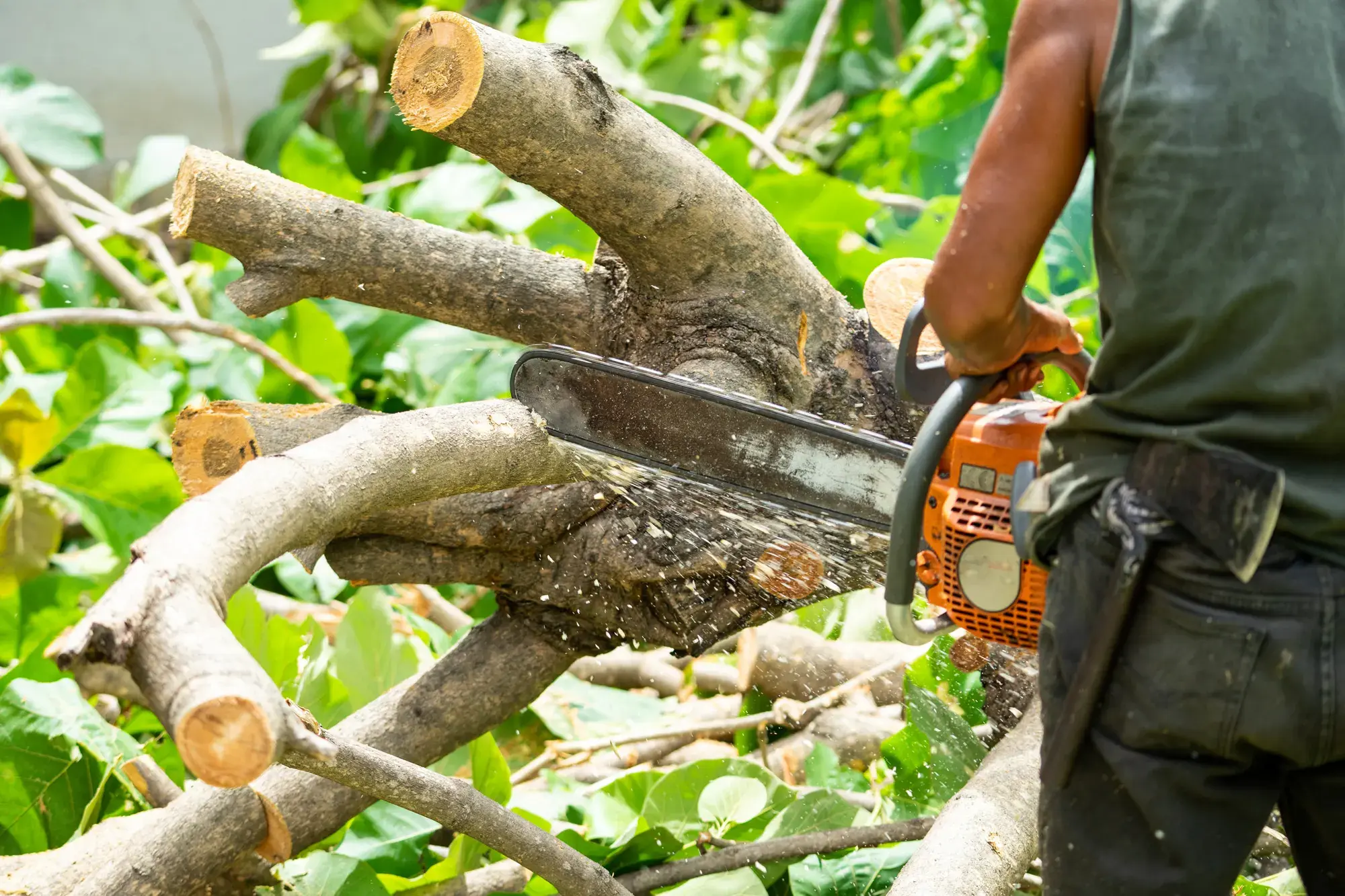
Tree Risk Assessment by Certified Arborists
A formal, ISA TRAQ-based evaluation of the trees on your property — likelihood of failure, consequences, and a written risk rating you can act on before a storm forces the decision.
Had a tree fall in my parents yard. I called 1 tree emergency and they offered quick response and were able to take care of the tree removal and ensure everything was done safely. They helped explain the options and gave multiple solutions for us to consider. Appreciate the great work they did and would definitely call them again if the need arises. Highly recommend.

Laura Schwartz
Google review
Free Estimate
Quick form for fast response
Signs it's time for a professional tree risk assessment
- 1
You have large, mature trees within striking distance of your house, driveway, or a neighbor's property — targets raise the consequences if one ever fails.
- 2
You've noticed a lean that seems to be increasing, cracks in the trunk, or soil heaving on one side of the base.
- 3
There's fungal growth (mushrooms or conks) at the base or on the trunk, or bark falling away in patches — possible signs of internal decay.
- 4
You're buying or selling a property and want a documented, professional opinion of tree condition before you close.
- 5
Storm season is approaching and you want the trees checked while there's still time to prune, cable, or remove proactively.
- 6
Call (866) 320-7003 to schedule a certified arborist. Assessments are booked in advance, not dispatched as an emergency.
What a formal tree risk assessment actually is
A tree risk assessment is a structured, professional evaluation of how likely a tree is to fail and what it would hit if it did. Our arborists follow the ISA Tree Risk Assessment Qualification (TRAQ) methodology — the industry standard — which pairs the likelihood of failure with the likelihood of impacting a target and the severity of the consequences to produce a defensible risk rating for each tree.
This is proactive work, not an emergency call. It happens on a scheduled visit, in daylight, with time to look closely: root collar, trunk, union points, and canopy. Where a visual inspection raises questions, we can bring diagnostic tools — a resistograph or sonic tomography — to measure internal decay before drawing a conclusion.
You come away with a written report: each significant tree identified, photographed, rated, and paired with a recommendation — monitor, prune, cable and brace, or remove. If a tree rates as an immediate hazard, we can move it into our dangerous-tree-removal workflow; if a storm has already hit and you need a faster read, our emergency tree inspection is the reactive counterpart to this service.
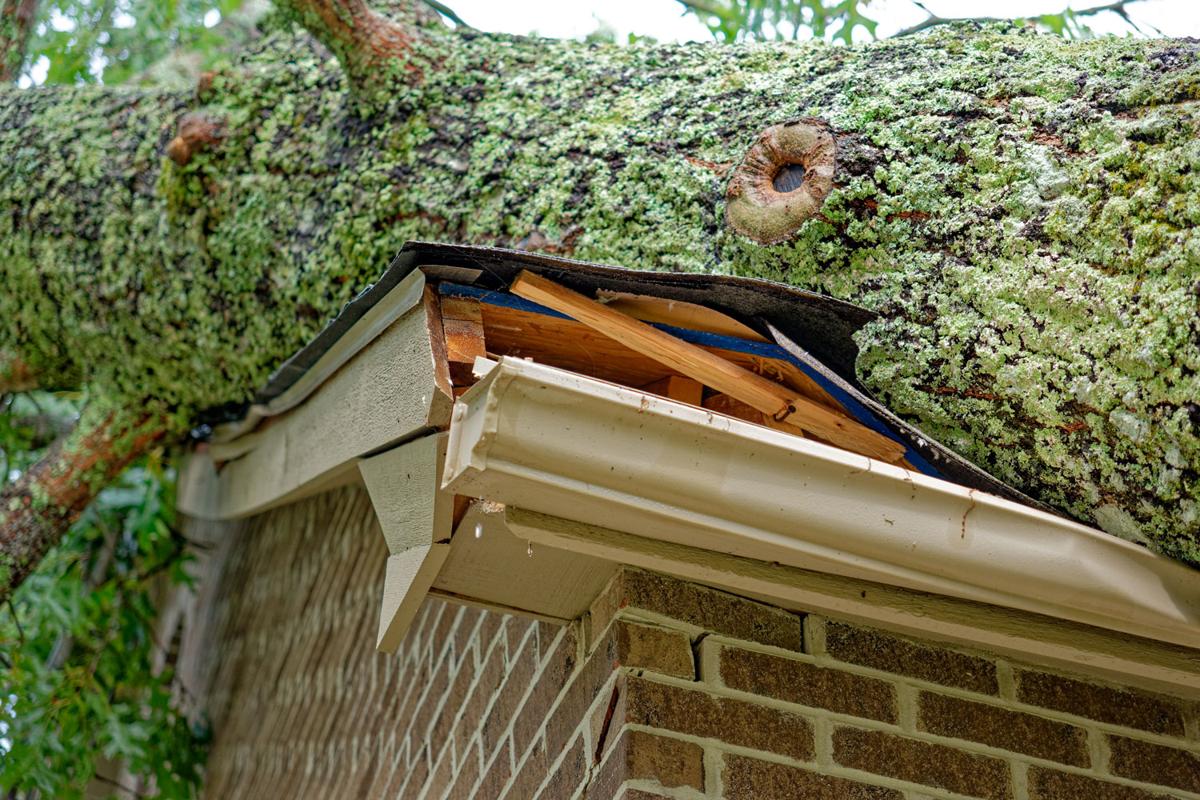
TRAQ methodology: likelihood of failure and consequences rated tree by tree
We respond in minutes, not hours
Our network of certified arborists is on standby 24/7 to handle any tree emergency. From fallen trees to dangerous limbs, we provide rapid response to protect your property.
Why Choose Us
- Certified Experts
All our arborists are certified and fully insured
- Rapid Response
Average response time under 30 minutes
- Insurance Specialists
We handle all insurance paperwork for you
How our risk assessment works
Clear steps. Fast action. Zero guesswork.
How We Handle Your Tree Emergency
Our streamlined process ensures quick response and efficient resolution of your tree emergency
Step :Schedule the Visit
Call (866) 320-7003 and we book a certified arborist at a time that works for you — this is planned, not an emergency dispatch. Tell us your concerns and how many trees are in scope.
Step :Arborist On Site
A TRAQ-qualified arborist arrives with measuring and diagnostic gear, walks the property with you, and confirms which trees and targets matter most.
Step :Systematic Inspection
Each tree is examined root collar to crown — lean, cracks, cavities, included bark, deadwood, and root condition — using the ISA TRAQ framework.
Step :Diagnostics When Needed
Where visual signs are ambiguous, we measure internal decay with a resistograph or sonic tomography rather than guessing at wood strength.
Step :Risk Rating
We combine likelihood of failure, likelihood of impacting a target, and consequences into a clear risk rating — low, moderate, high, or extreme — for each tree.
Step :Mitigation Plan
Every rated tree gets a recommendation: monitor, prune, cable and brace, or remove — prioritized so you know what to address first and what can wait.
Step :Written Report
You receive a documented report with photos, ratings, and recommendations — ready for your records, your insurer, a real-estate transaction, or your HOA.
What our arborists bring to a risk assessment
ISA TRAQ Methodology
Assessments follow the Tree Risk Assessment Qualification framework, so ratings are consistent, defensible, and recognized across the industry.
Advanced Diagnostics
Resistograph and sonic tomography let us measure internal decay and remaining wood strength instead of relying on the exterior alone.
Written Risk Report
A documented deliverable — each tree identified, photographed, rated, and paired with a specific recommendation and priority.
Actionable Mitigation
Clear next steps for every tree, from routine monitoring to pruning, cabling, or removal — with the same crew able to carry out the work.
Our removals are led by ISA Certified Arborists. Around downed or damaged power lines, always follow your electric utility and the Electrical Safety Foundation — never approach a line yourself.
Documentation, liability, and real-estate use
A written risk assessment is as much a liability record as it is a maintenance tool. If a tree later fails and causes damage, a dated report showing you had the property professionally evaluated — and acted on the recommendations — demonstrates due diligence to an insurer, an HOA board, or a court. Property managers and municipalities use recurring assessments for exactly this reason.
The report is equally useful in a real-estate transaction: buyers get a professional read on mature trees before closing, and sellers can disclose condition proactively. Because every finding is photographed and rated, the document stands on its own long after the visit — and if the report recommends removing a tree that rates as a high or extreme hazard, we can schedule that work directly through our dangerous-tree-removal service.
Learn more about our insurance claim support for tree damage — we document the scene and coordinate directly with your carrier.
Frequently Asked Questions
What is the difference between a tree risk assessment and a hazard assessment?
They overlap, but a formal tree risk assessment uses the ISA TRAQ methodology to produce a structured risk rating — likelihood of failure combined with the consequences of impacting a target — for each tree, documented in a written report. It's the more rigorous, defensible version, which is why it's preferred for liability records, real-estate deals, and managed properties.
What does ISA TRAQ mean and why does it matter?
TRAQ stands for Tree Risk Assessment Qualification, a credential from the International Society of Arboriculture. A TRAQ-qualified arborist follows a standardized process for rating tree risk, so the conclusions are consistent and defensible rather than one person's opinion. It's the recognized industry standard for this kind of evaluation.
How long does a tree risk assessment take and when do I get the report?
A typical residential property with several trees takes one to two hours on site. If diagnostic tools are needed for suspected internal decay, allow more time. The written report — with photos, risk ratings, and recommendations — is usually delivered within a few business days of the visit.
Should I get a tree risk assessment before storm season?
Yes. Assessing trees proactively, before high winds arrive, gives you time to prune, cable, or remove a high-risk tree on your schedule rather than during an emergency. It's far less costly and stressful than reacting after a tree has already come down. Call (866) 320-7003 to book ahead of the season.
Can the risk assessment be used for insurance or a property sale?
Absolutely. The written report documents each tree's condition and risk rating with photographs and a date, which supports insurance records, demonstrates due diligence on liability, and gives buyers or sellers a professional read on mature trees before a transaction closes.
Related Tree Emergencies We Handle
Facing a different situation? We respond to every kind of tree emergency, 24/7:
What Happens Next
From the first call to a closed insurance claim, here's how we help:
From Our Blog
Practical guides from our certified arborists:
Get Emergency Help Now
We're available 24/7. Call (866) 320-7003 or request service below.
Get in Touch
Our team is available 24/7 to respond to your emergency or answer any questions
Contact Information
Location
254 Prospect Ave, Hartford, CT, 06106
Serving clients nationwide