Pennsylvania Storm Tree Damage: A Homeowner's Guide

By Tree Emergency Expert
Tree Emergency Expert
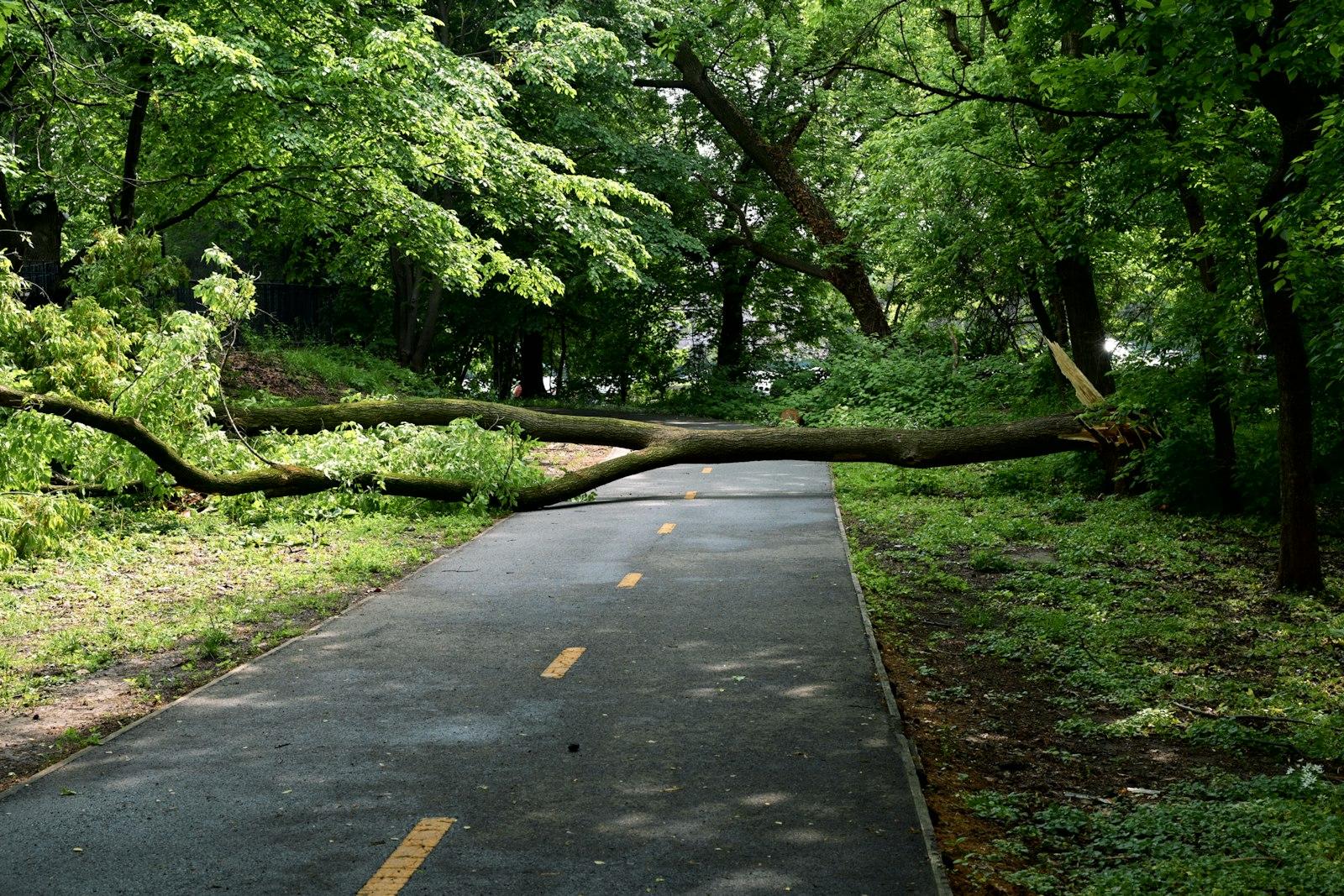
Nor'easters, tropical remnants, ice, and microbursts each hit trees differently. Here is how Pennsylvania storms threaten your property, and how to prepare.
How Pennsylvania Storms Threaten Your Trees
Pennsylvania sits at a weather crossroads, where nor'easters off the Atlantic, remnants of Gulf and coastal hurricanes, heavy lake-effect snow, and violent summer thunderstorms all converge. Each of these systems stresses trees in a different way, and homeowners from Philadelphia to Pittsburgh see the results every year: split trunks, uprooted maples, and limbs down on roofs and power lines. Understanding how these storms cause damage is the first step toward protecting your property.
Nor'easters and Saturated Ground
Nor'easters push sustained wind and heavy rain across eastern Pennsylvania, often for a full day or more. The rain is frequently the greater threat. Once the soil is fully saturated, root plates lose their grip and trees that would shrug off the same wind on dry ground tip over intact. This is why so many failures happen late in a storm rather than at its peak. Shallow-rooted species and tall pines on soggy, low-lying lots are especially at risk.
Wind, Hurricanes, and Summer Microbursts
Late summer and fall bring the remnants of tropical systems up the coast, and the Delaware Valley has felt the effects of storms like Isaias and Ida. Meanwhile, summer thunderstorms spawn microbursts, intense downdrafts that produce straight-line winds rivaling a tornado over a small area. These strike with little warning and flatten otherwise healthy trees in seconds. A tree already weakened by decay, poor structure, or old storm wounds is the one most likely to fail.
Heavy Snow and Ice
Winter adds another layer of risk. Wet, heavy snow early or late in the season loads branches with enormous weight, and ice storms coat every limb until the added load snaps unions and brings down whole canopies. Central and northern Pennsylvania see the worst of this, but ice events reach the southeast too. Snow and ice find every weak union and dead limb and bring them down all at once.
Preparing Your Trees Before the Season
You cannot control the weather, but you can lower your risk. The best preparation happens on calm, dry days, well ahead of any forecast:
Have mature trees inspected for lean, cracks, cavities, and deadwood
Prune dead limbs and thin dense canopies so wind can pass through
Clear branches away from the roof, driveway, and the service drop to your home
Note which trees overhang your house so you can prioritize them
Share this article:
Need help with this right now?
We respond 24/7. Call (866) 320-7003 or start with the page that matches your situation.
Service in your area
Related services
Related Articles

Baltimore Storm Tree Damage: A Charm City Guide
Nor'easters, the 2012 derecho, and hurricane remnants each threaten trees differently. Here is how Baltimore storms damage property and how to prepare.
Commercial Property Tree Damage Claims: A Guide
Tree damage to a commercial building carries higher stakes than a home claim. Here is how to document, understand your policy, and file a strong claim.
How to Prevent Storm Damage to Your Trees
Need Emergency Tree Service?
Our team of certified arborists is available 24/7 to handle any tree emergency.