Hanging Broken Limbs After a Storm: Why Hangers Are Deadly

By Tree Emergency Expert
Tree Emergency Expert
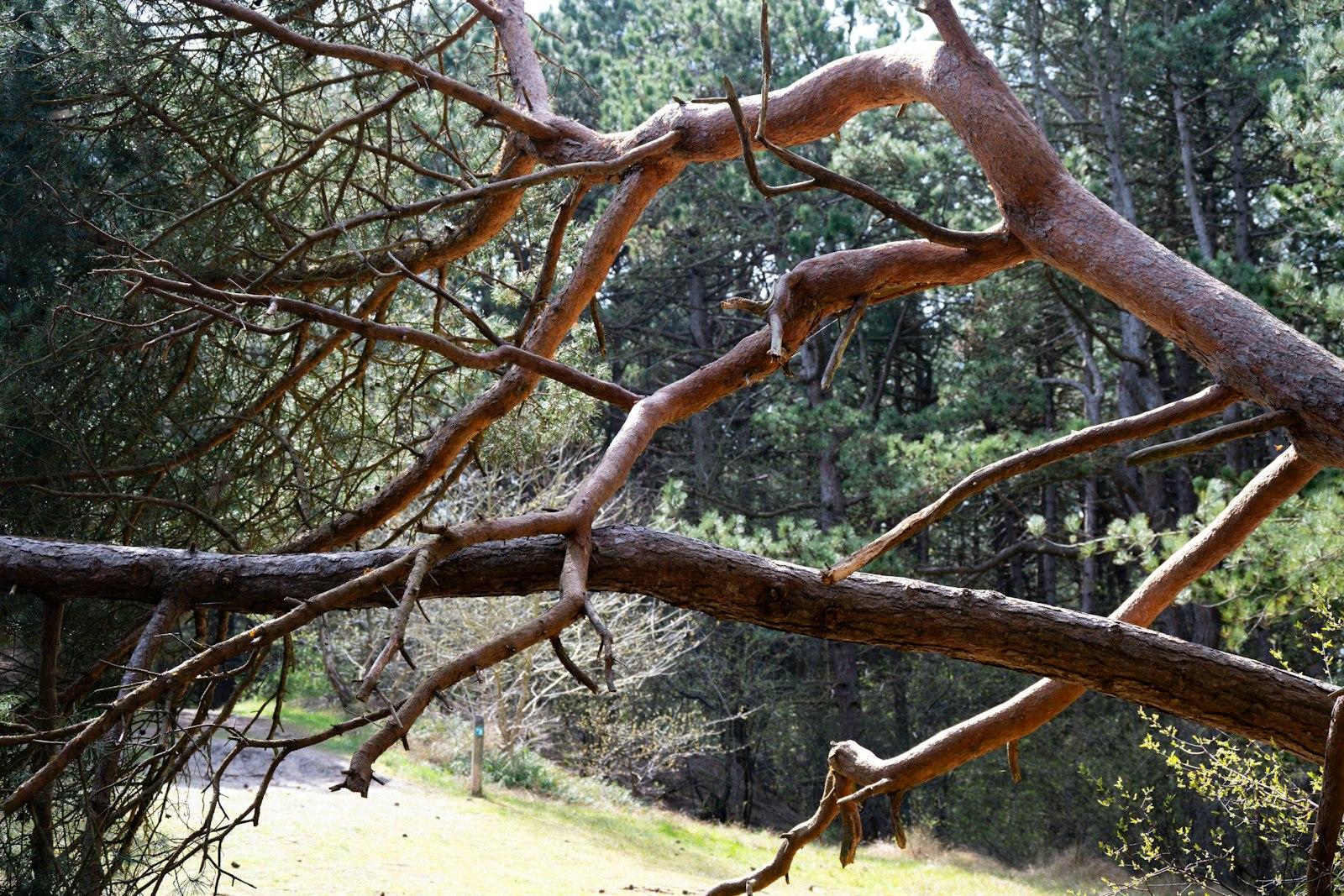
Broken limbs hung up in a canopy after a storm, often called hangers or widowmakers, can drop without warning. Here is the risk and how pros remove them.
After a storm passes, the obvious damage is on the ground: a tree across the driveway, limbs on the lawn. The damage that worries arborists most is often still up in the air. Broken limbs that snapped off but got caught in the canopy are called hangers, and in the tree industry the worst of them have a blunt nickname: widowmakers. They can look stable for hours or days and then drop without warning.
What a Hanger Is
A hanger is any broken branch or top that is lodged in a tree instead of falling to the ground. It might be:
Wedged in a crotch between two limbs
Draped over a lower branch
Still partially attached to the tree by a strip of torn wood or bark
Caught in a neighboring tree's canopy
Hangers are common after high winds, heavy wet snow, and ice storms, when many limbs break at once and tangle on their way down.
Why Hangers Are So Dangerous
They Are Unstable
A hanging limb is held in place by friction and balance, not by anything solid. A light breeze, a squirrel, rain adding weight, or vibration from someone cutting nearby can be enough to shift it.
They Fall Fast and Heavy
Even a modest limb falling from high in the canopy hits with serious force. Hard hats are not designed for that kind of impact.
They Are Hard to See
Hangers often sit high in dense foliage. From the ground, you may see only part of the limb, and it is difficult to judge how much weight is up there or what is holding it.
Storm Cleanup Puts People Underneath
The most common way people get hurt is simple: they go outside to rake, cut up fallen branches, or check on the house, and they work directly under a limb they never noticed.
What to Do If You See One
Do not walk, park, or work under it. Mark off the area with tape, chairs, or cones and keep kids and pets away.
Look up before you clean up. Scan the canopy of every tree near your work area before you start picking up debris.
Do not try to pull it down. Throwing ropes, shaking the tree, or using a pole saw puts you directly in the drop zone.
Share this article:
Need help with this right now?
We respond 24/7. Call (866) 320-7003 or start with the page that matches your situation.
Related Articles
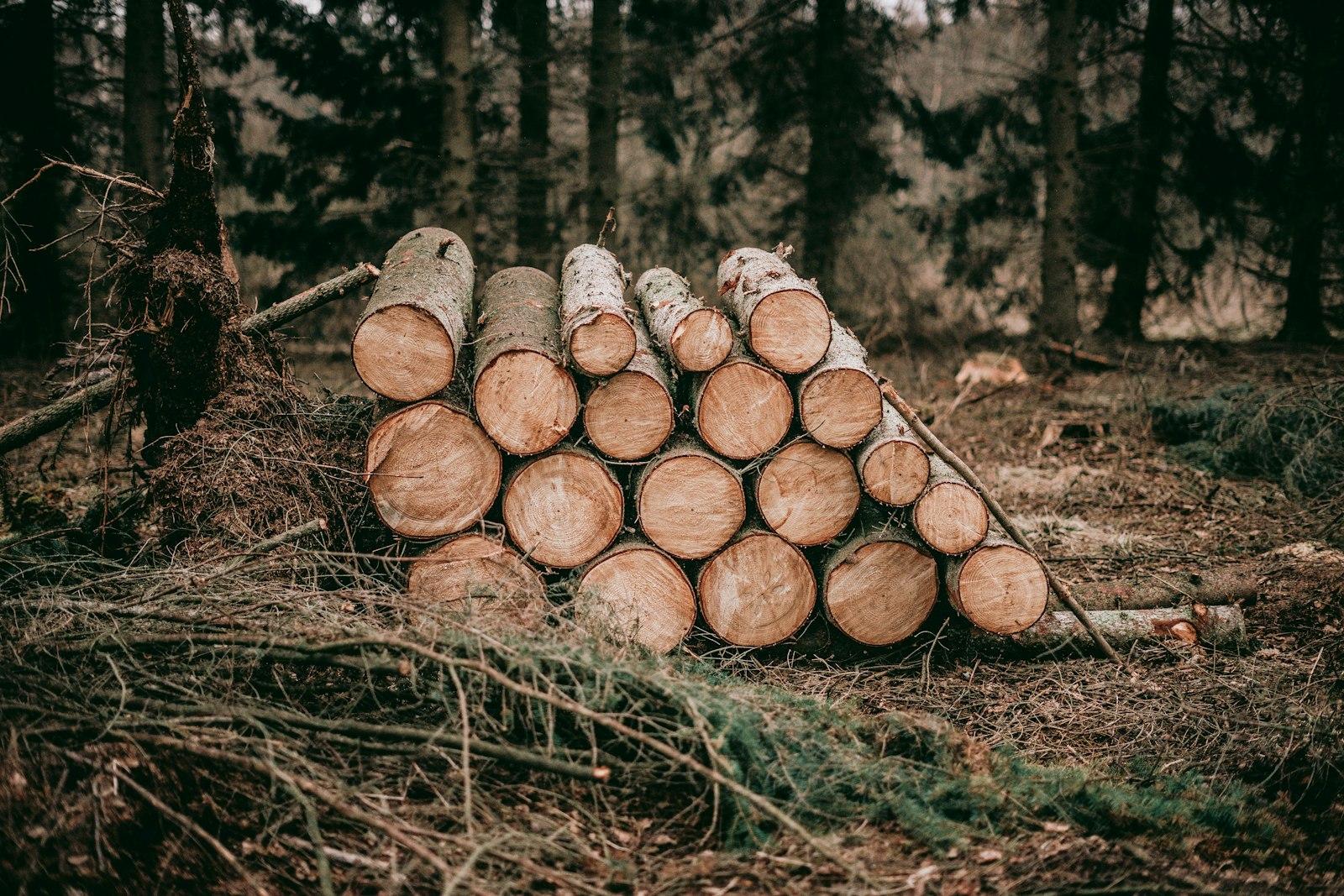
Tree Debris Removal Limits in Homeowners Policies, Explained
Many homeowners policies treat tree debris removal as a separate, capped amount. Here is how those limits commonly work and how to read your own policy.

Storm Tree Guide for Aquidneck Island and Jamestown, RI
On Aquidneck Island and Jamestown, storms bring salt, wind, and bridge limits. Here is how island homeowners can plan for tree damage before the next storm.
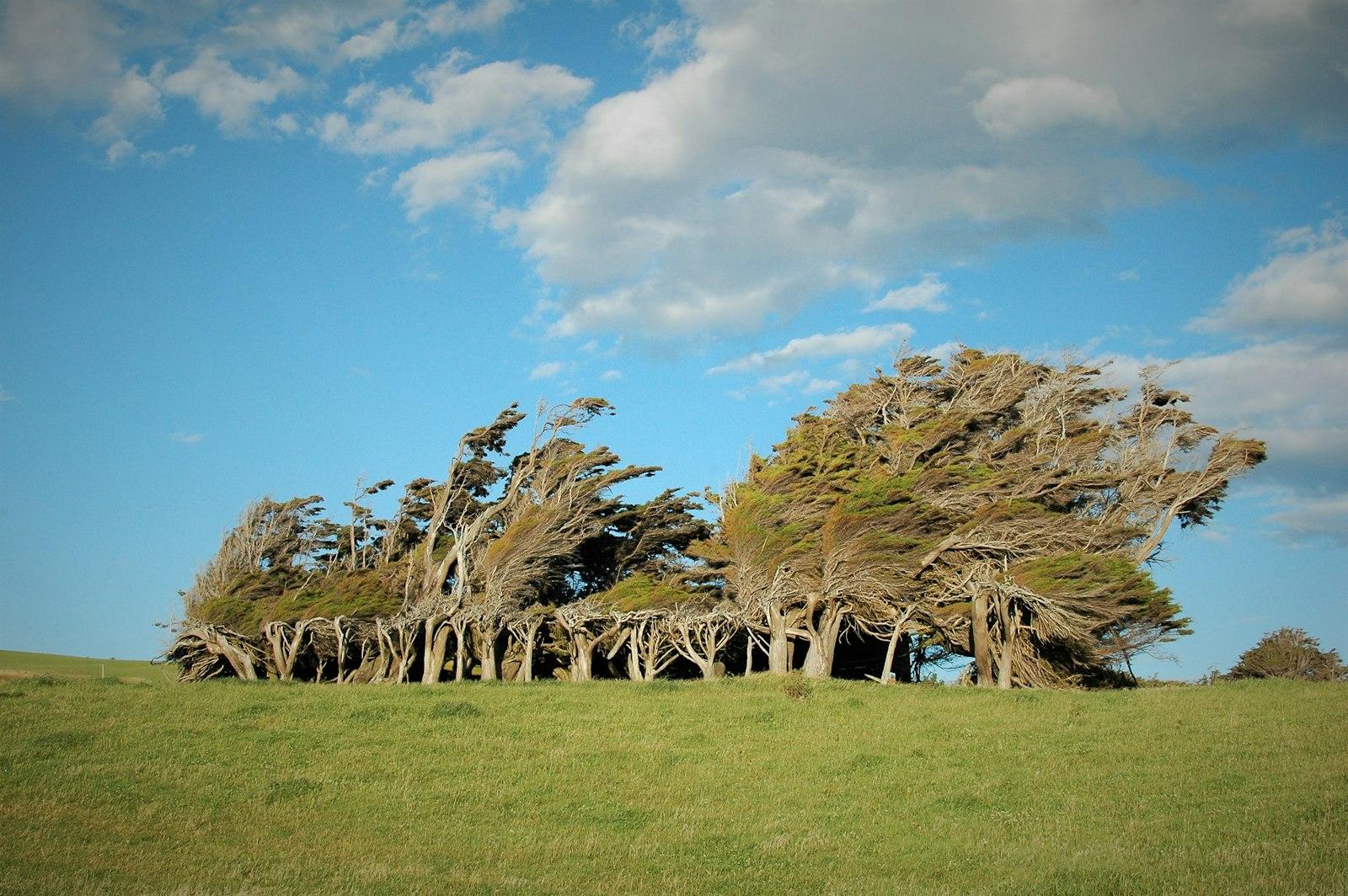
High Wind Watch vs. Warning: What Each Means for Your Trees
Need Emergency Tree Service?
Our team of certified arborists is available 24/7 to handle any tree emergency.