Tree Debris Removal Limits in Homeowners Policies, Explained

By Tree Emergency Expert
Tree Emergency Expert
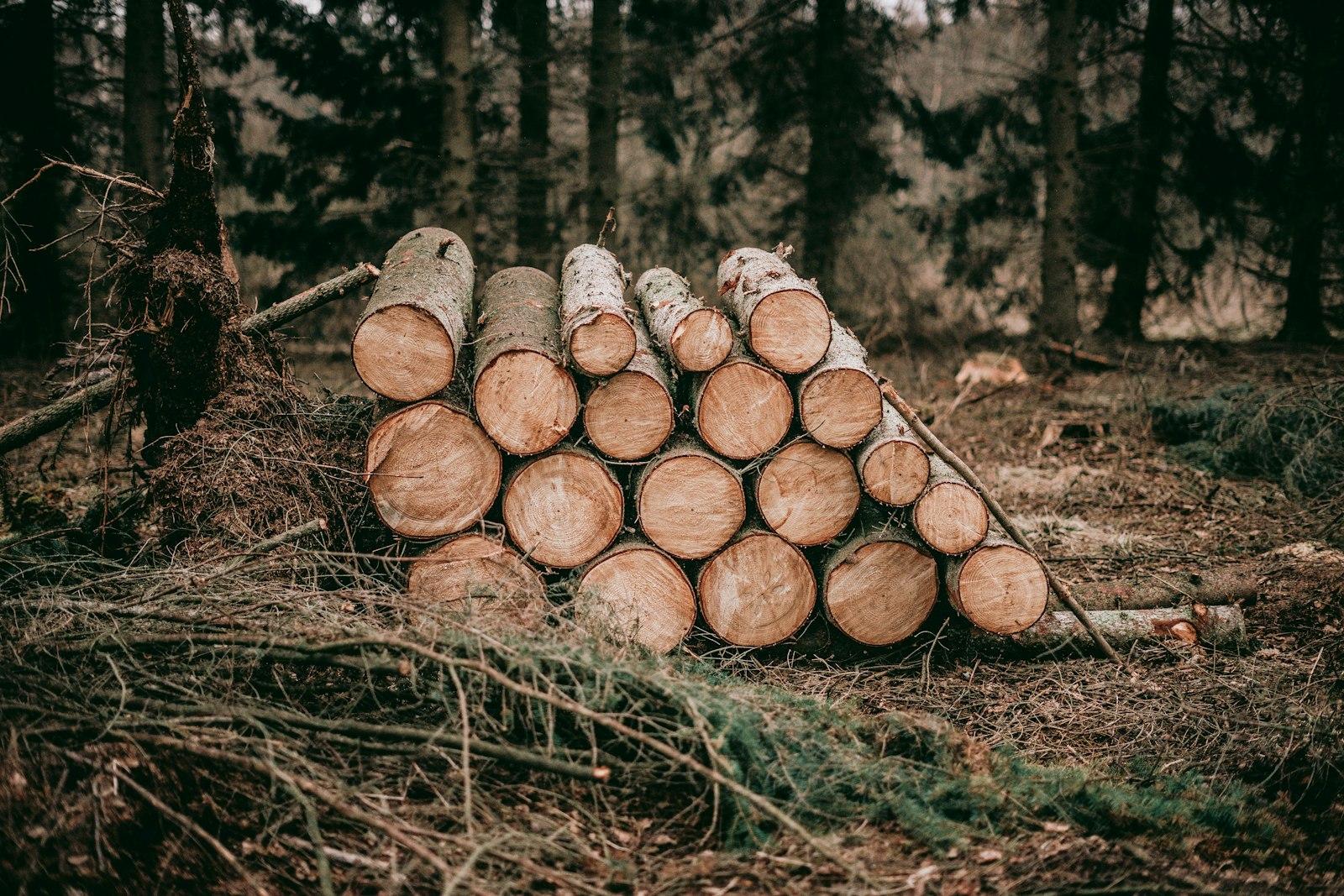
Many homeowners policies treat tree debris removal as a separate, capped amount. Here is how those limits commonly work and how to read your own policy.
After a storm, many homeowners are surprised to learn that paying to repair a damaged roof and paying to remove the tree that caused it are often treated as two different things. Removing a fallen tree and hauling away the debris frequently falls under a separate, limited provision in a homeowners policy. Coverage varies by policy, so the goal here is to help you know what to look for in your own paperwork before you need it.
Debris Removal Is Often a Separate, Capped Amount
Many homeowners policies include a specific provision for trees, shrubs, and debris removal. Instead of being paid in full like the structural repair, tree removal is commonly subject to a dollar cap. Some common patterns:
A per-tree limit: a set maximum the policy will pay to remove any single tree
A per-occurrence limit: a maximum for all tree debris removal from one storm or event, no matter how many trees fell
Additional coverage language: debris removal listed as "additional coverage" that may sit on top of, or within, your dwelling limit
The exact dollar amounts vary widely. Check your declarations page and the policy language itself, or ask your agent directly. It is also worth asking how your deductible applies to tree removal.
Tree Hits a Structure vs. Tree Falls in the Yard
The most important distinction in many policies is whether the tree struck something covered.
When a Tree Hits a Covered Structure
If a tree falls on your house, a detached garage, a fence, or another covered structure because of a covered peril such as wind, many policies help pay to repair the structure and to remove the tree from it, up to the applicable limits. Removal of the part of the tree resting on the structure is often treated differently from cleanup of the rest of the tree on the ground. If a tree has come through your roof, see how we handle a tree that fell on a house.
When a Tree Falls Without Hitting Anything
If a tree falls in the yard and damages nothing covered, many policies do not pay to remove it. The cleanup may be the homeowner's cost. That is why a tree lying across a lawn can be treated very differently than the same tree lying on a shed.
Blocked Driveways and Ramps
Share this article:
Need help with this right now?
We respond 24/7. Call (866) 320-7003 or start with the page that matches your situation.
Related Articles

Storm Tree Guide for Aquidneck Island and Jamestown, RI
On Aquidneck Island and Jamestown, storms bring salt, wind, and bridge limits. Here is how island homeowners can plan for tree damage before the next storm.
High Wind Watch vs. Warning: What Each Means for Your Trees
Wind Advisory, High Wind Watch, High Wind Warning: each alert signals a different tree risk. Here is what they mean and how to prepare your yard and home.
Tree Blocking Your Driveway? What to Do When You're Trapped
Need Emergency Tree Service?
Our team of certified arborists is available 24/7 to handle any tree emergency.