Spongy Moth Killed Your Oaks: Why Dead Oaks Are a Storm Risk

By Tree Emergency Expert
Tree Emergency Expert
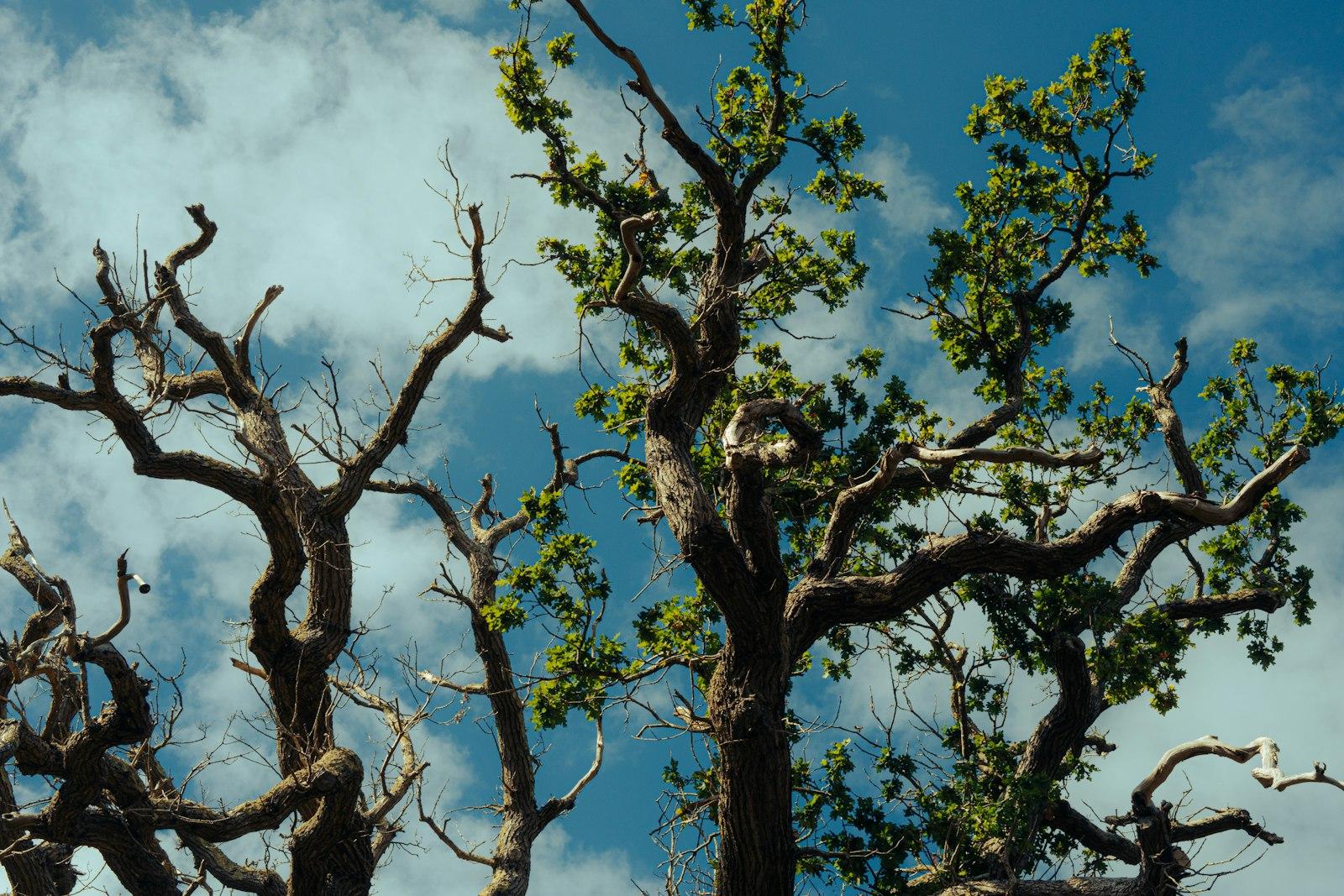
Years after the spongy moth outbreak, dead oaks still stand over homes in southern New England. Here is how to spot one and why they break in wind.
Drive through southern Rhode Island, eastern Connecticut, or parts of Massachusetts and you can still see them: gray, leafless oaks standing among green woods. Many are a legacy of the 2016-2018 spongy moth outbreak (the insect formerly called the gypsy moth), which hit at the same time as a multi-year drought. Healthy oaks can usually survive a single defoliation. Several years of stripped leaves back to back, with little rain to recover, killed a large number of them. Many still stand near houses and roads, and they get more dangerous every year.
Why the Outbreak Hit Oaks So Hard
Spongy moth caterpillars feed heavily on oak leaves in late spring. An oak stripped in June will often push out a second set of leaves, but that uses stored energy the tree needs for winter and for defense. Repeat that for two or three seasons, add dry soil that limits water uptake, and the roots and crown decline together. Weakened oaks also attract secondary pests and root diseases that finish them off.
How to Tell If an Oak Is Dead
A dead oak is not always obvious, especially in winter when every oak is bare. Check in late spring and summer, when a live oak should be fully leafed out.
No leaves by midsummer, or only a few small tufts of leaves on the lower trunk
Bark falling off in sheets, exposing smooth gray or bleached wood
Fungal growth such as shelf-like brackets or mushrooms at the base or on the trunk
Fine twigs gone from the crown, leaving only thick, bare limbs
Branches snapping cleanly when they fall, with dry, brittle wood inside
If only part of the crown is bare, the tree may be in decline rather than dead. That still matters for safety, and it is worth a professional look.
Why Dead Oaks Fail in Wind
Oak is strong, dense wood while the tree is alive. Once it dies, decay fungi begin breaking down the wood, and the tree loses the flexibility that lets living wood bend under load. Dead oaks tend to shed large limbs without warning, even on calm days. In a nor'easter, tropical storm, or thunderstorm gust, the whole trunk can snap or the tree can tip over as decayed roots let go.
The longer a tree has been dead, the weaker it gets. An oak that died in 2017 may look solid from the street while its roots and lower trunk hollow out.
Why Dead Trees Are Harder and Riskier to Remove
Share this article:
Need help with this right now?
We respond 24/7. Call (866) 320-7003 or start with the page that matches your situation.
Related Articles
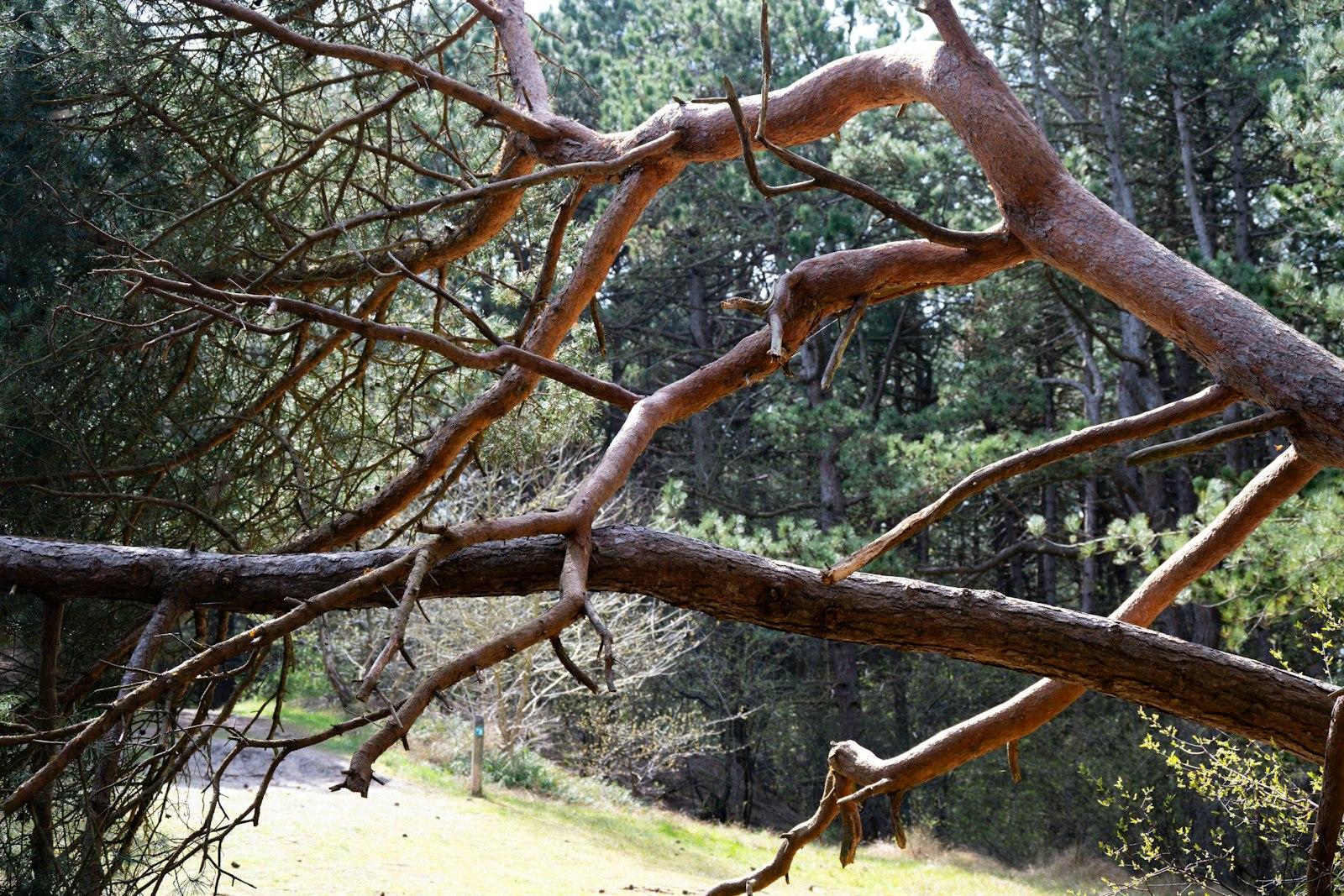
Hanging Broken Limbs After a Storm: Why Hangers Are Deadly
Broken limbs hung up in a canopy after a storm, often called hangers or widowmakers, can drop without warning. Here is the risk and how pros remove them.
Tree Debris Removal Limits in Homeowners Policies, Explained
Many homeowners policies treat tree debris removal as a separate, capped amount. Here is how those limits commonly work and how to read your own policy.
Storm Tree Guide for Aquidneck Island and Jamestown, RI
Need Emergency Tree Service?
Our team of certified arborists is available 24/7 to handle any tree emergency.