Massachusetts Storm Tree Damage: A Bay State Guide

By Tree Emergency Expert
Tree Emergency Expert
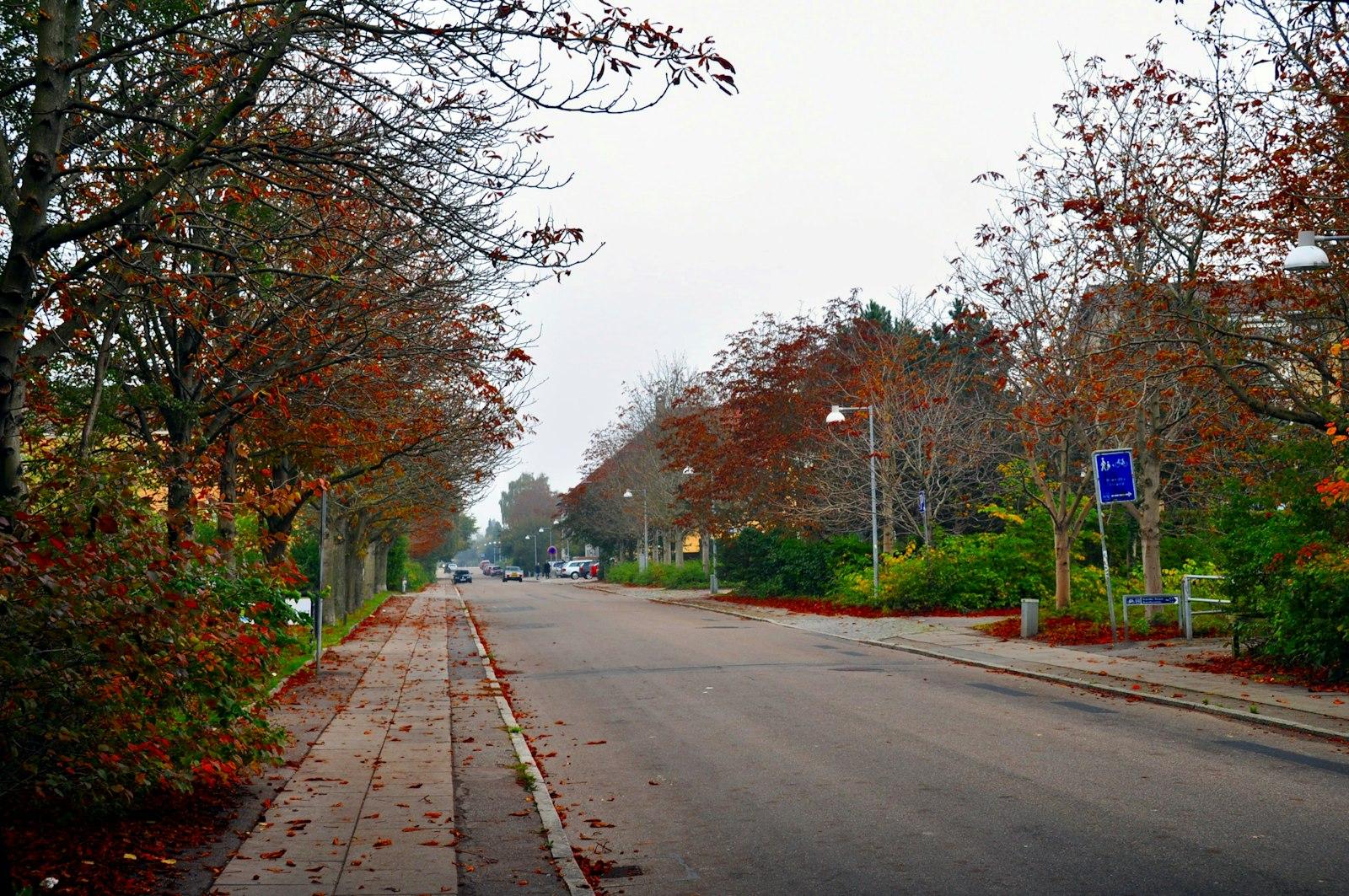
Nor'easters, wet snow, and tropical remnants each damage trees differently. Here is how Massachusetts storms threaten your property and how you can prepare.
How Massachusetts Storms Threaten Your Trees
Massachusetts weather is famous for a reason. Coastal nor'easters slam Boston and the North Shore, tropical remnants push up from the south, wet snow buries Worcester County, and ice glazes the Berkshires. Each of these storms fails trees in its own way, and for homeowners from Cape Cod to the Pioneer Valley, knowing the difference is the first step to protecting your property.
Nor'easters: The Signature Storm
No storm defines the Bay State like the nor'easter. These systems drive sustained wind and heavy precipitation across eastern Massachusetts, sometimes for a day or more. When they arrive as rain, the ground saturates and root plates lose their grip, toppling trees intact late in the storm. When they arrive cold, they bring the blizzards Boston is known for. Coastal communities on the South Shore and Cape Cod, where pitch pines and oaks grow in sandy soil, are especially exposed to the wind.
Wet Snow: The Underrated Threat
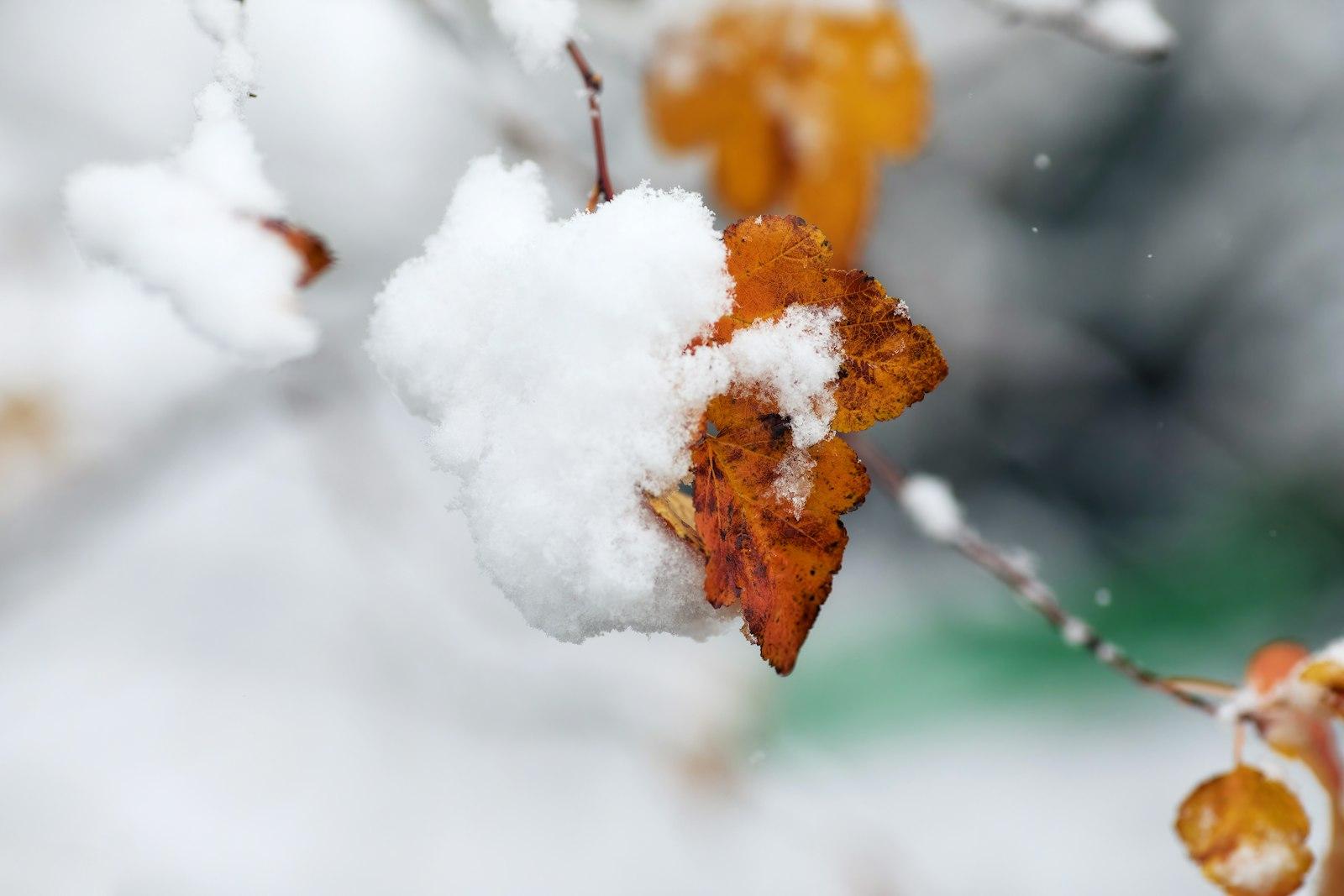
Some of the most destructive tree events in Massachusetts history were snow, not wind. The October 2011 snowstorm dropped heavy, wet snow while leaves were still on the trees, snapping limbs and toppling trees across Worcester County and central Massachusetts and knocking out power for days. Wet snow loads branches with enormous weight and finds every weak union and dead limb at once. Early and late-season storms are the most dangerous for exactly this reason.
Hurricanes, Ice, and Summer Wind
Massachusetts is not immune to tropical systems, and the remnants of hurricanes still bring damaging wind and flooding rain inland. Out west, ice storms in the Berkshires glaze limbs until they fail under the load. And in summer, microbursts from collapsing thunderstorms produce straight-line winds that can flatten a healthy tree in seconds, with little warning from the NWS office in Norton.
Preparing Your Trees Before the Season
The best work happens on calm, dry days, long before a storm is in the forecast:
Have mature trees inspected for lean, cracks, cavities, and deadwood
Prune dead limbs and thin dense canopies so wind can pass through
Clear branches away from the roof, driveway, and the service drop to your home
Note which trees overhang the house so you can prioritize them
Downed trees on lines are a leading cause of outages across Eversource, National Grid, and Unitil territory. Keeping your trees clear of the wires protects both your power and your safety.
Share this article:
Need help with this right now?
We respond 24/7. Call (866) 320-7003 or start with the page that matches your situation.
Service in your area
Related services
Related Articles

Filing an Amica Tree Damage Claim: A Step-by-Step Guide
A well-documented claim helps after a tree falls. How to stay safe, document damage, prevent further loss, and work with your adjuster if Amica insures you.
Southern Rhode Island Coastal Storm Tree Damage Guide
From Westerly to Block Island, salt, sandy soil, and coastal gales stress shore trees. What southern Rhode Island homeowners should know before and after a storm.
Why October Snow Breaks So Many Trees Still in Leaf
Need Emergency Tree Service?
Our team of certified arborists is available 24/7 to handle any tree emergency.