Filing an Amica Tree Damage Claim: A Step-by-Step Guide

By Tree Emergency Expert
Tree Emergency Expert

A well-documented claim helps after a tree falls. How to stay safe, document damage, prevent further loss, and work with your adjuster if Amica insures you.
Amica Mutual is headquartered in Lincoln, Rhode Island, and insures many homeowners across New England and beyond. If a storm has dropped a tree on your home, garage, or car and Amica is your carrier, this guide walks through the steps that help any tree damage claim go smoothly.
First, an important note: 1 Tree Emergency is an independent tree service. We are not affiliated with, endorsed by, or acting on behalf of Amica. We help homeowners make their property safe and document the loss. Coverage varies by policy, and only your carrier can tell you what your policy pays.
Step 1: Make Everyone Safe
Get people and pets away from the damaged area. If a tree has come through the roof, or if ceilings are sagging, leave that part of the house. Treat any wire touching the tree as live, stay well back, and call 911 and your electric utility. No claim is worth an injury.
Step 2: Document Before Anything Moves
Photos and video are the backbone of a strong claim. Before cleanup starts:
Take wide shots showing the tree, the stump or root plate, and what it struck
Take close-ups of roof, siding, window, fence, and vehicle damage
Photograph interior damage, including water stains and wet belongings
Write down the date, time, and weather conditions
If you can, find older photos of the tree. A healthy tree that fell in a storm and a dead tree that finally gave way can be treated differently under many policies. Our guide to emergency tree documentation covers what adjusters typically look for.
Step 3: Prevent Further Damage
Most homeowners policies expect you to take reasonable steps to prevent further damage. That usually means tarping a roof opening, boarding a broken window, and stopping water intrusion. Keep every receipt. Emergency mitigation costs are often reimbursable, but coverage varies by policy, so ask your carrier.
Do not try to cut a tree off a roof yourself. A trunk resting on a structure holds stored tension that can release without warning.
Step 4: Report the Claim
Report the loss promptly through the carrier's app, website, or claims line. Have your policy number ready and give a clear, factual account: what fell, when, what it hit, and what you have done so far. Ask:
Share this article:
Need help with this right now?
We respond 24/7. Call (866) 320-7003 or start with the page that matches your situation.
Related Articles
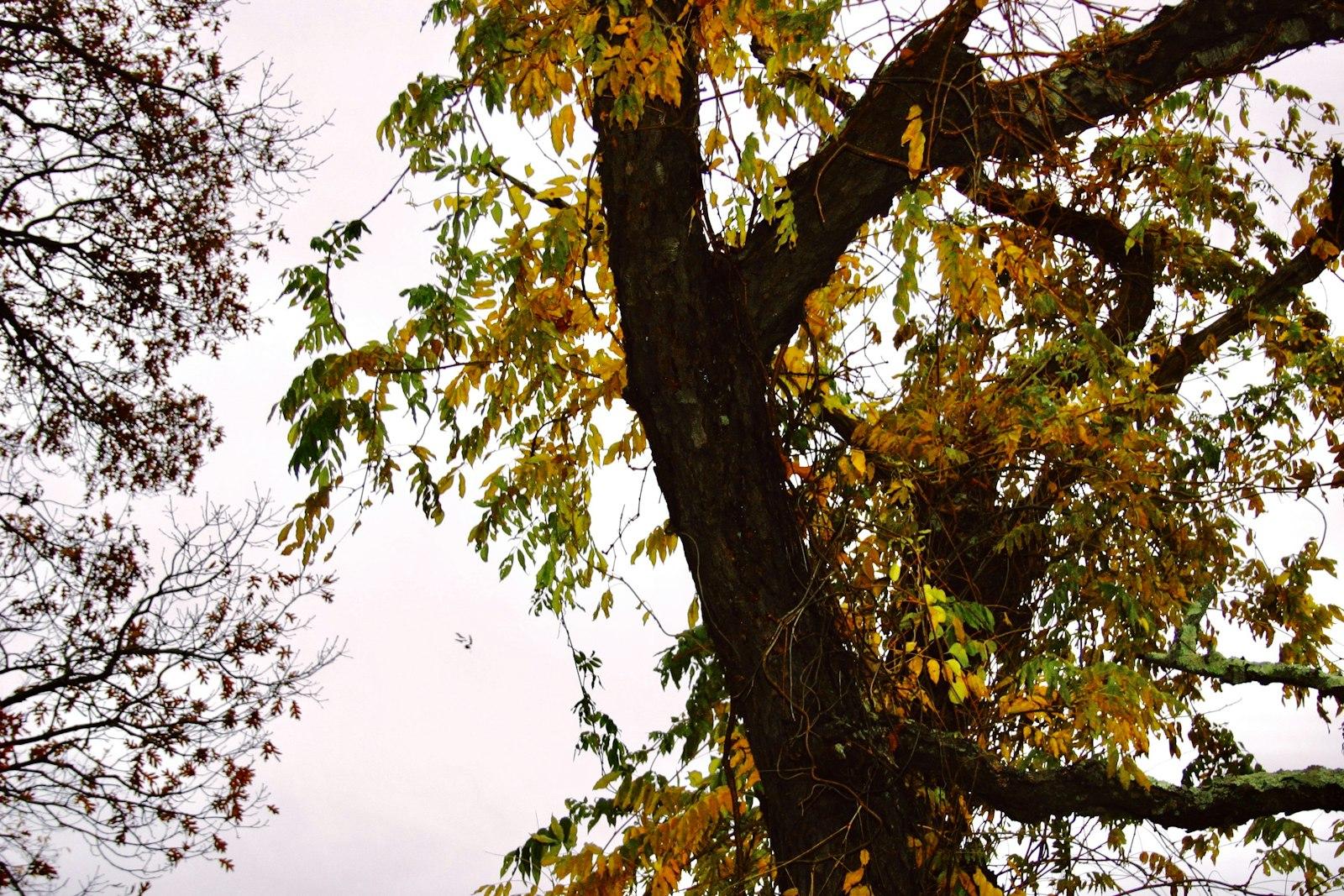
Southern Rhode Island Coastal Storm Tree Damage Guide
From Westerly to Block Island, salt, sandy soil, and coastal gales stress shore trees. What southern Rhode Island homeowners should know before and after a storm.
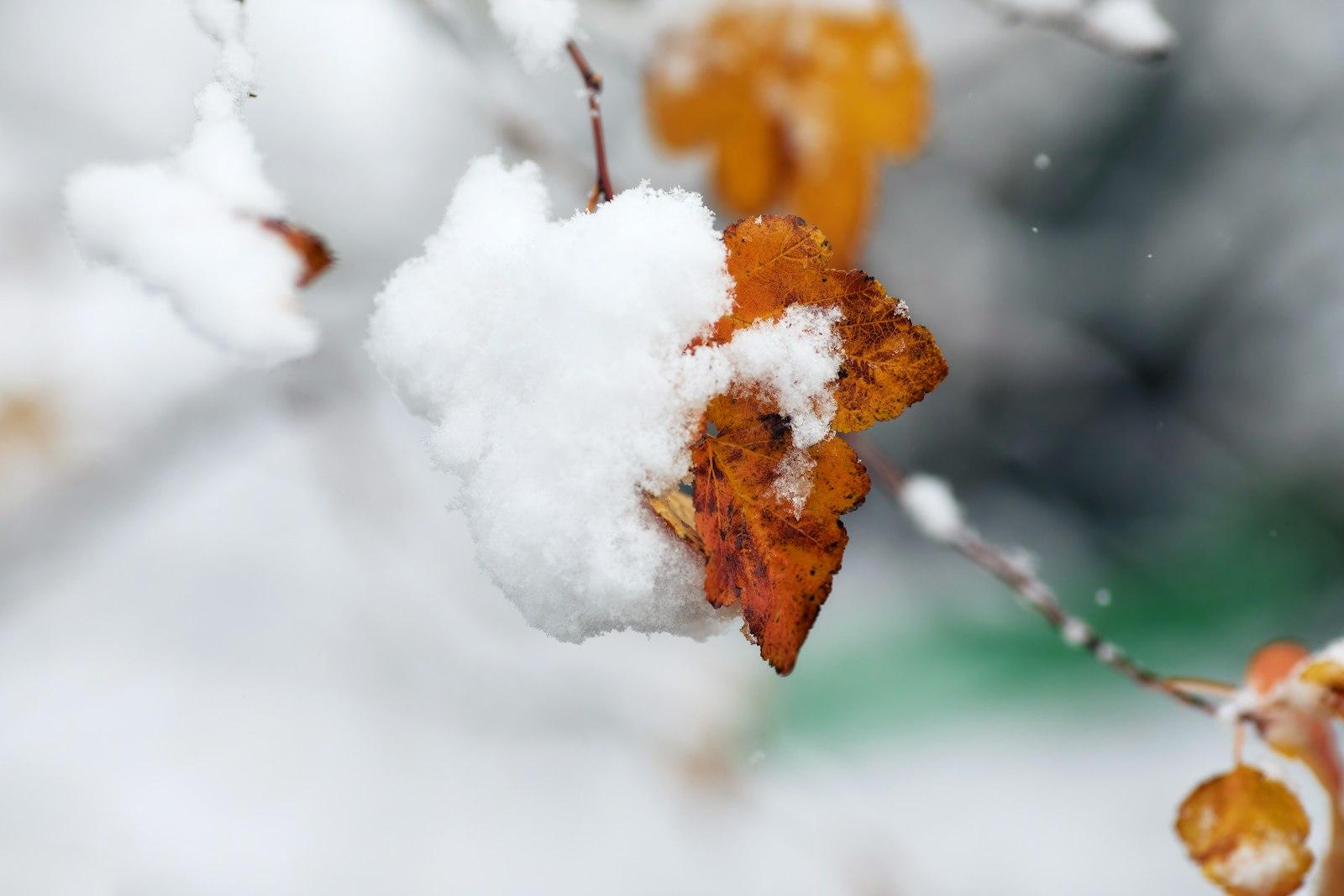
Why October Snow Breaks So Many Trees Still in Leaf
Early wet snow on trees still in full leaf can break more limbs than a big winter storm. Here is why it happens, what to do, and when to call an arborist.
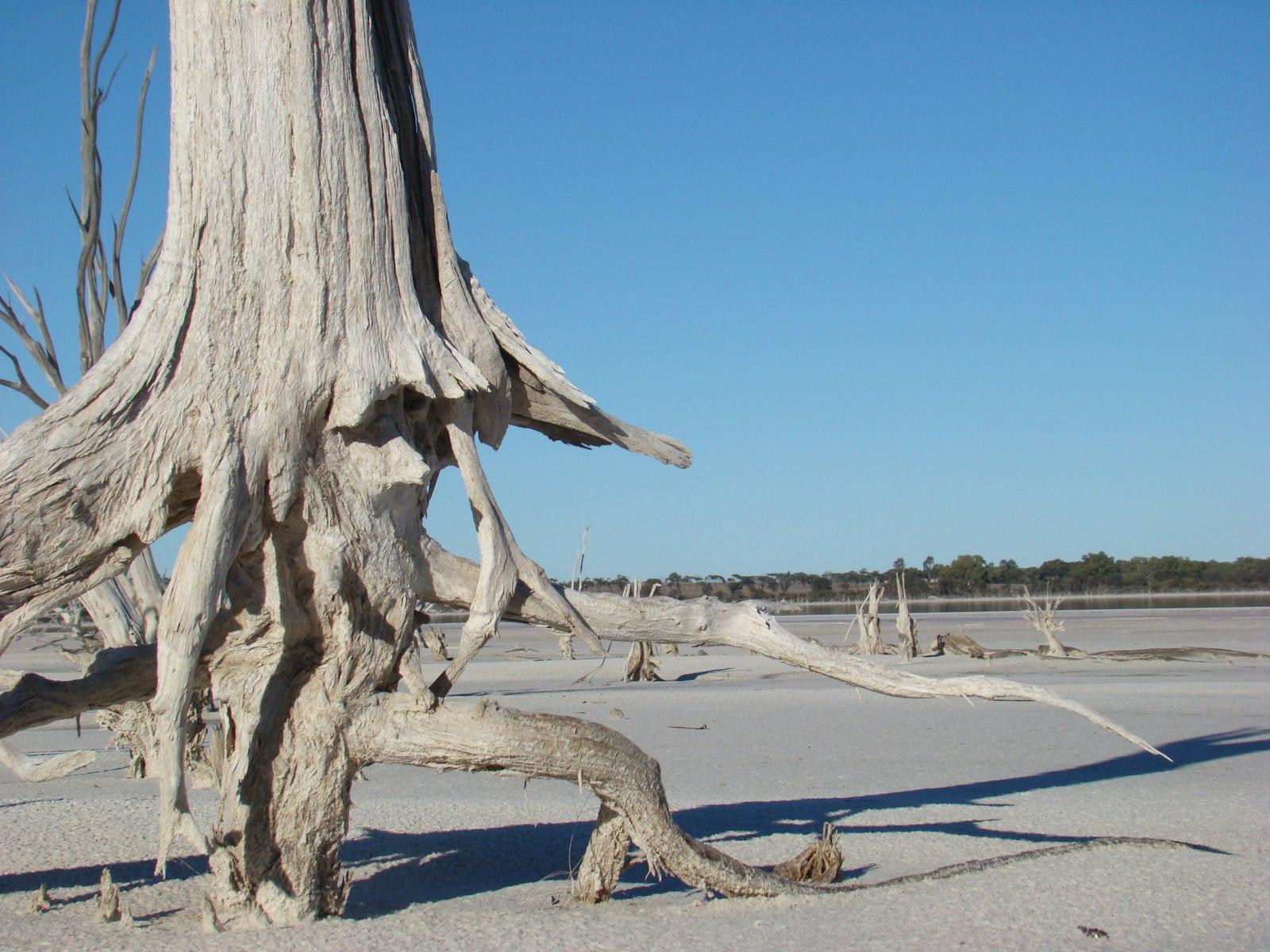
Drought-Stressed Trees and the Hidden Failure Risk
Need Emergency Tree Service?
Our team of certified arborists is available 24/7 to handle any tree emergency.