Winter Tree Hazards: Ice Storms and Snow Load

By Tree Emergency Expert
Tree Emergency Expert
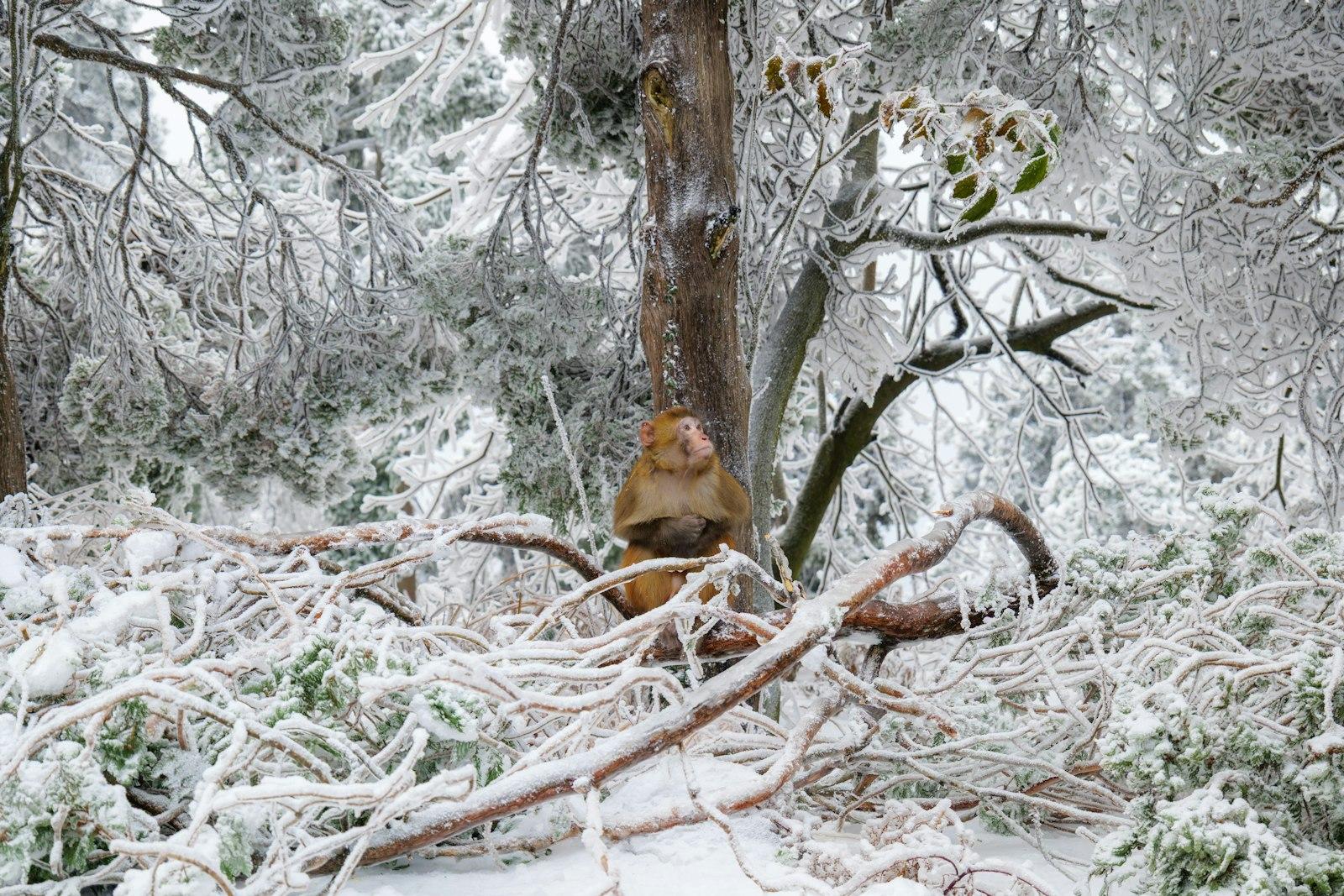
Winter turns weak limbs into falling hazards. Learn how ice storms and snow load overwhelm trees, the signs to watch for, and when to call a professional.
Why Winter Is So Hard on Trees
Winter is arguably the most punishing season for trees in Connecticut and across the Northeast. Cold makes wood brittle, ice adds crushing weight, and heavy snow loads limbs far beyond what summer ever tested. A branch that shrugged off July thunderstorms can snap under a quarter inch of ice. Understanding how ice and snow overwhelm a tree, and knowing the warning signs, is how you avoid a limb through the roof at two in the morning.
How Ice Storms Break Trees
Ice is deceptively heavy. A coating just a half inch thick can add tens of pounds to a single branch, and a large tree can end up carrying tons of extra weight. That load does not spread evenly. It concentrates on the outer canopy, the very branches with the least support, and pulls them down until they fail.
Ice loads the branch tips first, where limbs are weakest
Frozen wood is brittle and cracks instead of bending
Evergreens and broadleaf trees that hold leaves catch far more ice
Power lines coated in ice sag into branches, creating combined hazards
Ice storms are also slow to release their grip. Branches can stay loaded for days, failing long after the storm itself has passed.
The Hidden Danger of Snow Load
Wet, heavy snow behaves much like ice. It clings to branches and packs into the canopy, and a single heavy snowfall can add hundreds of pounds to a mature tree. Multi-trunk trees, trees with tight V-shaped unions, and species like arborvitae, birch, and pine are especially prone to splitting and bending under it.
Repeated freeze and thaw cycles make it worse. Snow melts, refreezes as ice, then gets buried under fresh snow, layering load onto limbs that never get a chance to recover.
Warning Signs to Watch For
Many winter failures are predictable if you know what to look for. Check your trees before and after each storm.
Limbs bent low or resting on the ground under snow or ice
Cracks or splitting sounds coming from the trunk or major branches
A trunk or whole tree leaning more than it did before the storm
Dead or already-damaged limbs, which fail first under any added load
Branches tangled with or resting on power lines
Share this article:
Need help with this right now?
We respond 24/7. Call (866) 320-7003 or start with the page that matches your situation.
Related Articles
Buffalo Lake-Effect Tree Damage: An Erie County Guide
Lake-effect snow, wet snow bands, and ice loading each threaten Buffalo's trees. Here is how Erie County storms cause damage and how to prepare.

How to Appeal a Denied Tree Damage Insurance Claim
A denied tree damage claim is not always the final word. Here is how to read the denial, gather stronger evidence, and file a clear, well-supported appeal with your insurer.
What to Do With Storm Debris and Fallen Wood
Need Emergency Tree Service?
Our team of certified arborists is available 24/7 to handle any tree emergency.