Springfield, MA Storm Tree Damage Guide for Homeowners

By Tree Emergency Expert
Tree Emergency Expert
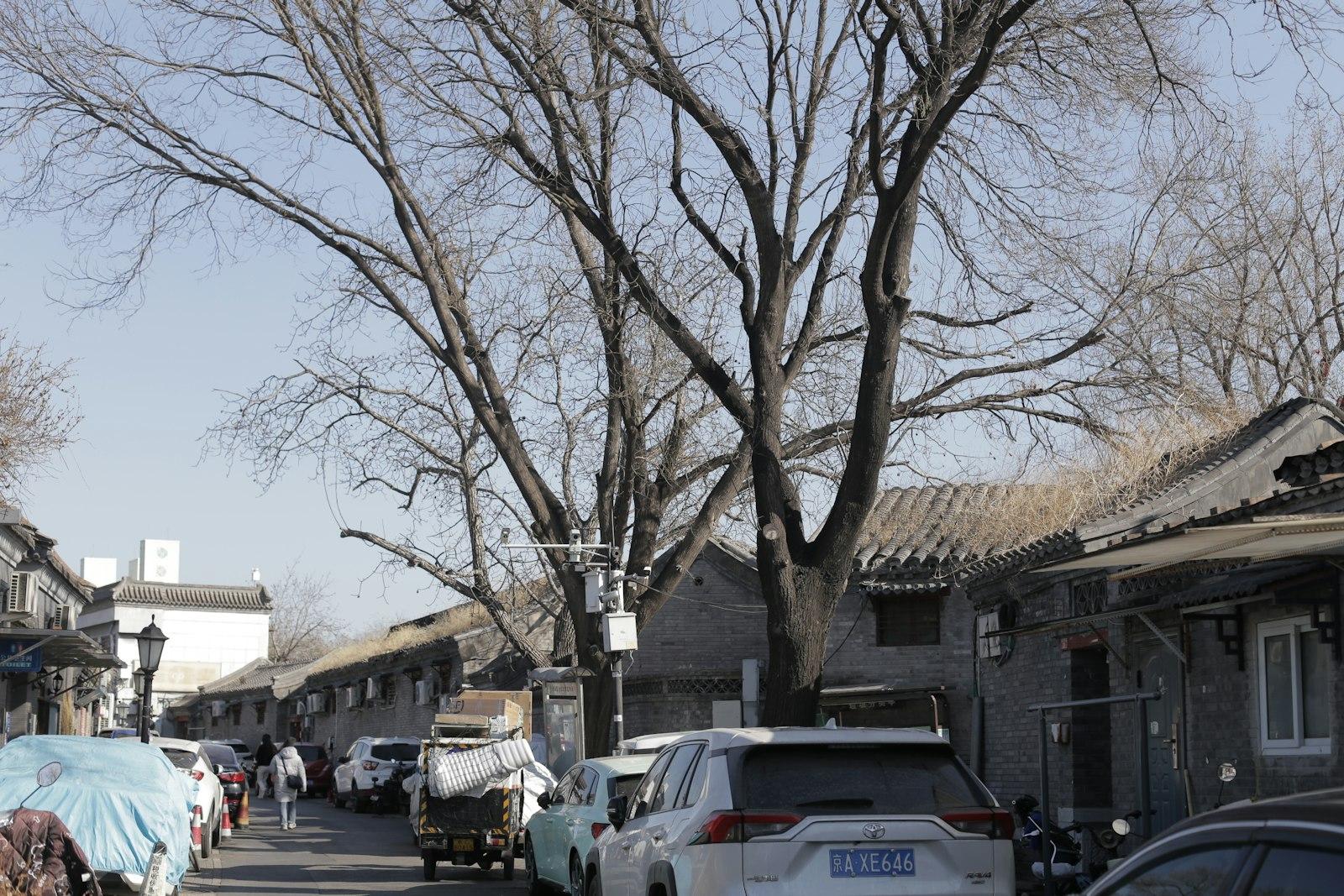
From the 2011 tornado to heavy early snow, Springfield has seen what storms do to big trees. Here is how to assess your risk and respond when a tree comes down.
Storms and Trees in the Connecticut River Valley
Springfield sits in the Connecticut River valley, and its weather tests trees from every direction. Summer thunderstorms move through the valley with strong straight-line winds. Nor'easters and early or late-season snow load branches with heavy, wet weight. And the city knows firsthand that tornadoes are not just a Midwest problem.
On June 1, 2011, an EF3 tornado tore through Springfield, damaging homes and stripping or toppling trees along its path. A few months later, the October 2011 snowstorm dropped heavy snow on trees that still had their leaves, breaking limbs and bringing down lines across western Massachusetts. Those two events left a lasting lesson: mature trees near homes deserve regular attention.
Why Springfield's Trees Carry Extra Risk
Big Trees in Older Neighborhoods
Neighborhoods around Forest Park and other older parts of the city are known for large, mature street and yard trees. Those canopies are part of what makes the neighborhoods appealing, but big trees near houses, garages, and power lines mean that a single failure can cause serious damage. Older trees also tend to carry more deadwood, internal decay, and old pruning wounds.
Leaves on During Early Snow
When snow arrives before leaves drop, each branch holds far more weight than it would bare. Maples and oaks with long horizontal limbs are especially prone to breaking. After any early snow, look up before you walk under a tree.
Saturated Soil
Long rains and snowmelt can soften the soil around root systems. Trees with root damage from sidewalk work, driveway construction, or utility trenching are more likely to tip over when the ground is wet and the wind picks up.
Warning Signs to Check Now
Cracks or splits in the trunk or where major limbs join
Mushrooms, conks, or soft wood near the base
Dead limbs or a thinning crown
A new or worsening lean, or soil heaving on one side
Branches hanging over your roof or the service line to your house
If you see any of these, a certified arborist can tell you whether pruning, cabling, or removal makes sense. Many problems are cheaper to fix before a storm than after.
During and After the Storm
Share this article:
Need help with this right now?
We respond 24/7. Call (866) 320-7003 or start with the page that matches your situation.
Service in your area
Related services
Related Articles
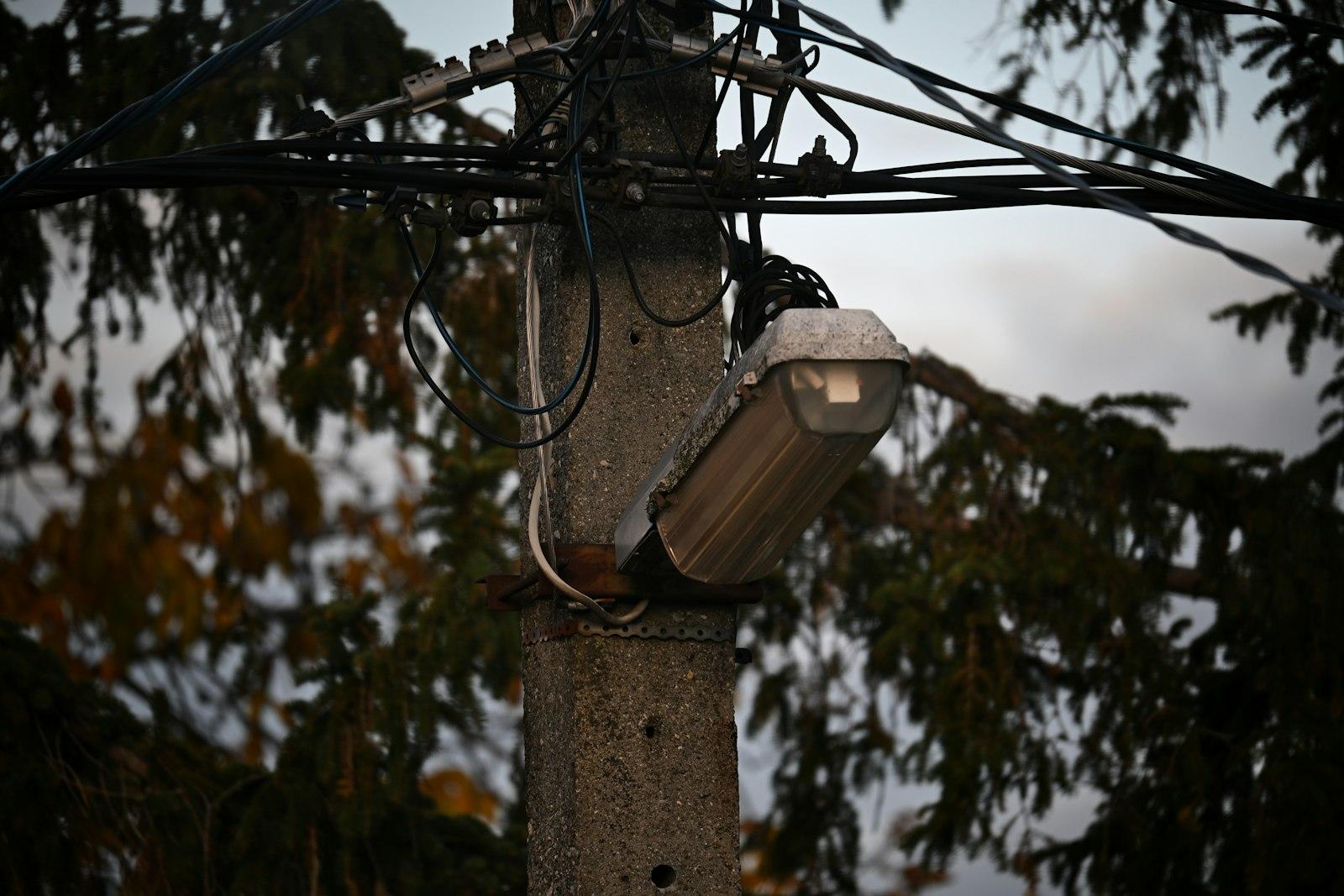
Trees Near Power Lines: Who Is Responsible for Trimming?
Utilities handle some lines and homeowners handle others. Learn who is responsible for trees near power lines, what never to do yourself, and when to call.
Filing a Chubb Tree Damage Claim: A Practical Guide
A tree on a high-value home calls for careful removal and careful records. Here is how to protect the property, document the loss, and file a Chubb claim well.
Jersey Shore Nor'easter Tree Guide for Ocean & Monmouth
Need Emergency Tree Service?
Our team of certified arborists is available 24/7 to handle any tree emergency.