Trees Near Power Lines: Who Is Responsible for Trimming?

By Tree Emergency Expert
Tree Emergency Expert
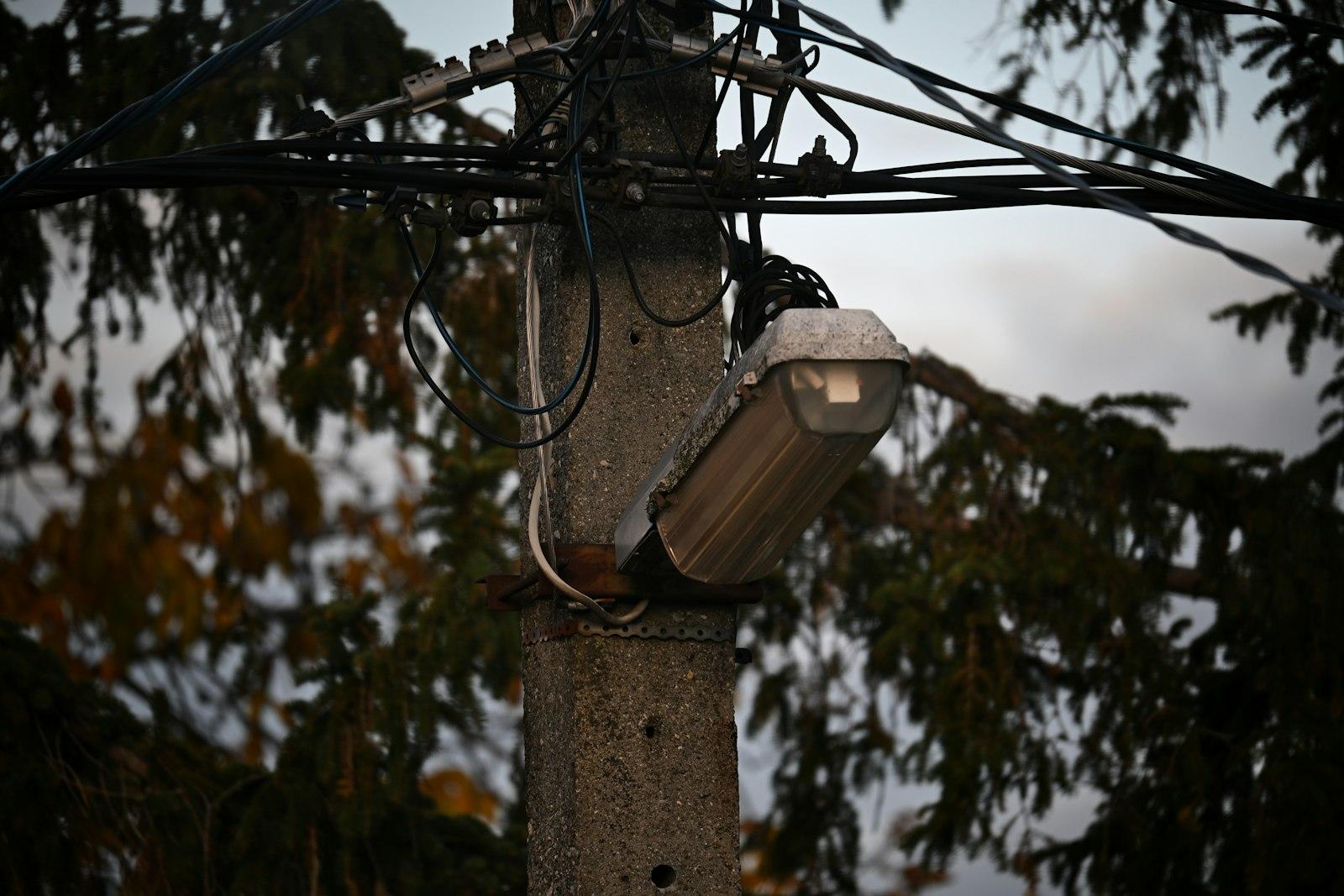
Utilities handle some lines and homeowners handle others. Learn who is responsible for trees near power lines, what never to do yourself, and when to call.
A Common Question With a Layered Answer
A limb is creeping toward the wires along your street, or a branch is resting on the line that runs to your house. Who is supposed to deal with it? The short answer is that it depends on which line, and on your utility's rules. The one part that never changes: you should never trim near energized lines yourself.
The Two Kinds of Lines on Your Property
Primary Distribution Lines
These are the higher-voltage lines that run along the street on utility poles, usually at the top of the pole. Utilities generally maintain clearance around these lines through vegetation management programs, and they typically use their own crews or specialized line-clearance contractors. If a tree on your property is growing into these lines, contact your utility. Many have an online form or phone line for tree trimming requests.
The Service Drop
The service drop is the line that runs from the pole to your house. Responsibility for keeping trees clear of this line is often the homeowner's, but that varies by utility. Some utilities will temporarily disconnect or de-energize the service drop at your request so a qualified tree service can work safely, and then reconnect it. Others handle it differently. Call your utility and ask how they handle tree clearance around service drops before you schedule any work.
Why You Should Never Do It Yourself
Electricity can arc from a line to a nearby tool, ladder, or branch without direct contact. Wet or green wood can conduct current. A branch you cut can swing into a line, or a line under tension can snap back when a limb is removed. Homeowners with pole saws and ladders are exactly the people these hazards injure. The Electrical Safety Foundation International publishes clear guidance on staying safe around overhead lines.
Keep ladders, tools, and people well away from any overhead line, and teach children not to climb trees that have wires running through or near them.
When a Line Comes Down
If a tree or limb has brought down a line, or a wire is sagging or sparking:
Assume every downed line is energized, even if it is not sparking or the power is out.
Stay far back and keep others and pets away.
Share this article:
Need help with this right now?
We respond 24/7. Call (866) 320-7003 or start with the page that matches your situation.
Related Articles
Filing a Chubb Tree Damage Claim: A Practical Guide
A tree on a high-value home calls for careful removal and careful records. Here is how to protect the property, document the loss, and file a Chubb claim well.
Jersey Shore Nor'easter Tree Guide for Ocean & Monmouth
Sandy soil, shallow-rooted pines, and salt-laden wind make Jersey Shore trees vulnerable in nor'easters. Here is how to prepare in Ocean and Monmouth counties.
Chainsaw and Generator Safety After a Storm: What to Know
Need Emergency Tree Service?
Our team of certified arborists is available 24/7 to handle any tree emergency.