What to Do With Storm Debris and Fallen Wood

By Tree Emergency Expert
Tree Emergency Expert
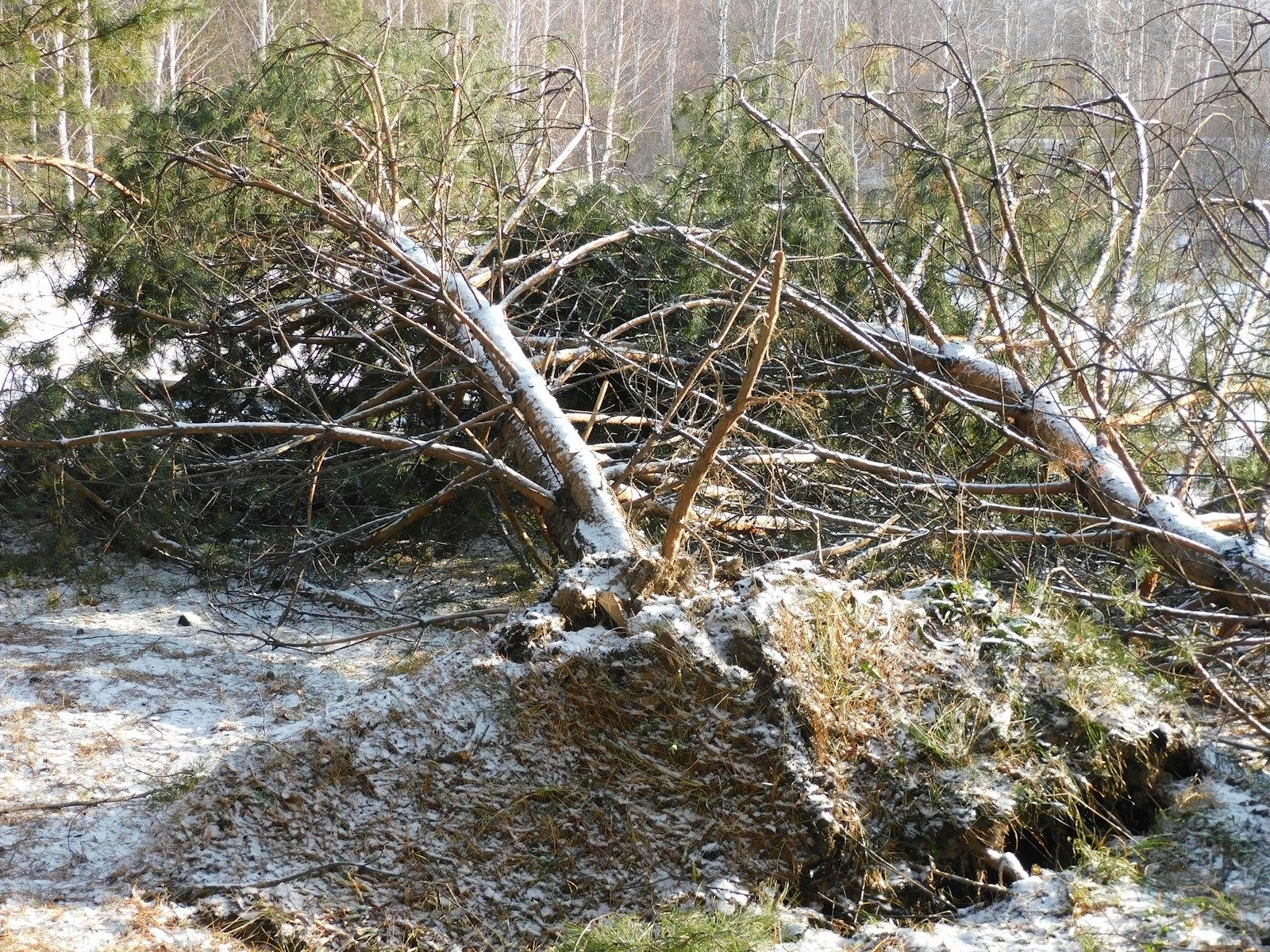
Storms leave behind branches, logs, and tangled debris. Here is how to handle fallen wood safely, what to leave to professionals, and how to dispose of it.
After a storm passes, the yard is often a tangle of broken branches, split limbs, and downed trunks. Cleaning it up feels urgent, but storm debris hides real dangers, and how you handle it affects both your safety and your insurance claim. Here is a practical, arborist-approved approach to dealing with fallen wood after a storm.
First, Make Sure the Area Is Safe
Before you pick up a single branch, scan the whole scene for hazards. Storm debris frequently conceals threats that are far more dangerous than the wood itself.
Downed power lines: Assume any line on the ground or tangled in branches is live. Stay at least 35 feet away and call 911 and your utility.
Hanging limbs: Broken branches lodged high in a tree, known as widow-makers, can fall at any time. Do not work beneath them.
Trees under tension: Bent or pinned trunks can store enormous energy and snap violently when cut.
For broader post-storm safety guidance, Ready.gov is a reliable resource on returning home and cleaning up safely after severe weather.
Document Before You Clear
If the storm damaged your home, vehicle, or other property, photograph everything before you move it. Insurers want to see the extent of the damage and the debris that caused it. Take wide shots and close-ups, and keep receipts for any disposal or cleanup costs, since some policies help reimburse debris removal.
What You Can Safely Handle Yourself
Small, manageable debris on the ground is usually fine for homeowners to clear, provided no hazards are present.
Rake and bag leaves, twigs, and small branches
Stack larger cut logs to dry if you plan to use them as firewood
Keep piles away from the house, since fresh wood attracts insects
Wear gloves, eye protection, and sturdy boots
What to Leave to Professionals
Some jobs are simply too dangerous to do with a homeowner chainsaw, and this is where most storm cleanup injuries happen.
Cutting trees or large limbs that are under tension or pinned
Share this article:
Need help with this right now?
We respond 24/7. Call (866) 320-7003 or start with the page that matches your situation.
Related Articles

Worcester Storm Tree Damage: A County Guide
Ice, heavy wet snow, and wind each threaten Worcester County trees differently. Here is how central Massachusetts storms cause damage and how to prepare.

Will a Tree Damage Claim Raise My Premium?
Filing a tree claim can affect your rate, but the answer is not simple. Here is what influences premiums and how to decide whether filing makes sense.
Cabling and Bracing to Save a Weak Tree
Need Emergency Tree Service?
Our team of certified arborists is available 24/7 to handle any tree emergency.