What Happens During Emergency Tree Removal: The On-Site Process

By Tree Emergency Expert
Tree Emergency Expert
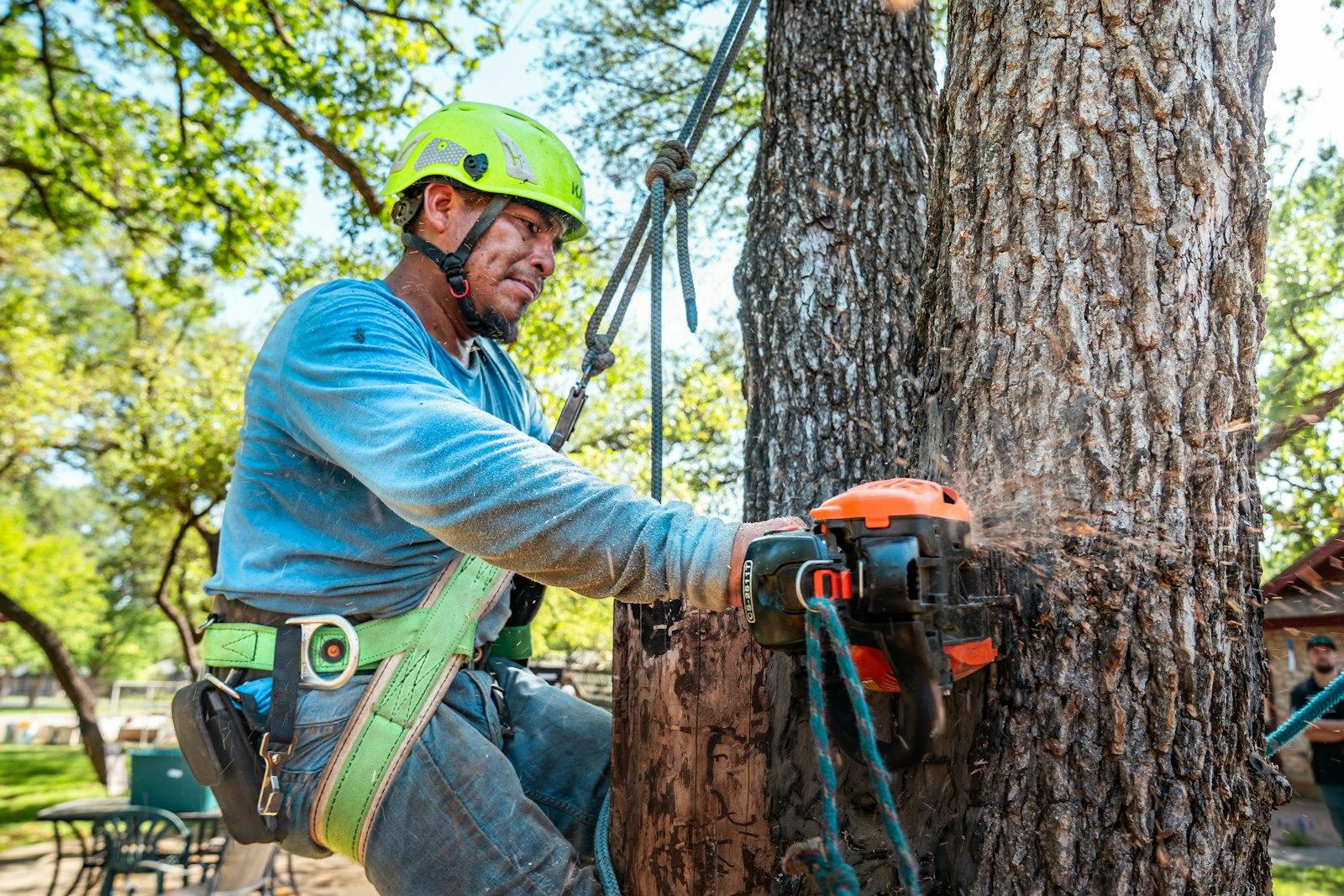
When our crew rolls up to a tree on your home, what actually happens next? Here is the step-by-step on-site process certified arborists follow to remove it safely.
When you call for emergency help, it is reassuring to know what will actually happen once a crew arrives. Emergency tree removal is a deliberate, staged process, not a rush to start cutting. As certified arborists, here is the step-by-step of what we do on site to get a tree off your property safely.
Step 1: Site Assessment and Hazard Check
Before any saw starts, the crew leader walks the site and reads the situation. This is the most important phase, because a tree resting on a structure is under enormous tension and compression, and the wrong first cut can send it rolling or dropping.
Identify where the tree is loaded and where the pressure is concentrated
Check for downed or contacting power lines and confirm the utility has been notified if needed
Look for cracked limbs, split trunks, and hanging branches overhead
Evaluate the structure for sagging, instability, or hidden damage
Step 2: Establishing a Safe Work Zone
Once hazards are mapped, we set up the area so no one is standing where weight could fall. We ask homeowners and bystanders to move to a designated safe distance and keep pets indoors. The crew stages equipment, ropes, and drop zones, and confirms clear communication signals before a single limb comes down.
Step 3: Choosing the Removal Method
Every emergency tree is different, so the plan is matched to the situation. There is rarely a one-size-fits-all approach.
Controlled dismantling: For trees tangled with structures or wires, we remove the tree piece by piece, taking down small sections in a planned order.
Rigging: Instead of letting limbs fall, we attach ropes and lower them under control to protect what is below.
Directional felling: When there is safe open space, a tree can be felled whole in a chosen direction.
The method depends on where the tree is loaded, what is beneath it, and how much room the site allows.
Step 4: Relieving Tension in the Right Order
This is where training separates professionals from weekend chainsaw users. A tree on a roof or leaning against a wall is holding stored energy. We cut in a sequence that releases that tension gradually, so the tree settles predictably instead of snapping back or crushing further into the structure. Watching the wood, the bark, and the way cuts open tells an experienced arborist exactly how the tree wants to move.
Share this article:
Need help with this right now?
We respond 24/7. Call (866) 320-7003 or start with the page that matches your situation.
Related Articles
Buffalo Lake-Effect Tree Damage: An Erie County Guide
Lake-effect snow, wet snow bands, and ice loading each threaten Buffalo's trees. Here is how Erie County storms cause damage and how to prepare.

How to Appeal a Denied Tree Damage Insurance Claim
A denied tree damage claim is not always the final word. Here is how to read the denial, gather stronger evidence, and file a clear, well-supported appeal with your insurer.
What to Do With Storm Debris and Fallen Wood
Need Emergency Tree Service?
Our team of certified arborists is available 24/7 to handle any tree emergency.