Virginia Beach Hurricane Tree Damage: A Coastal Guide

By Tree Emergency Expert
Tree Emergency Expert
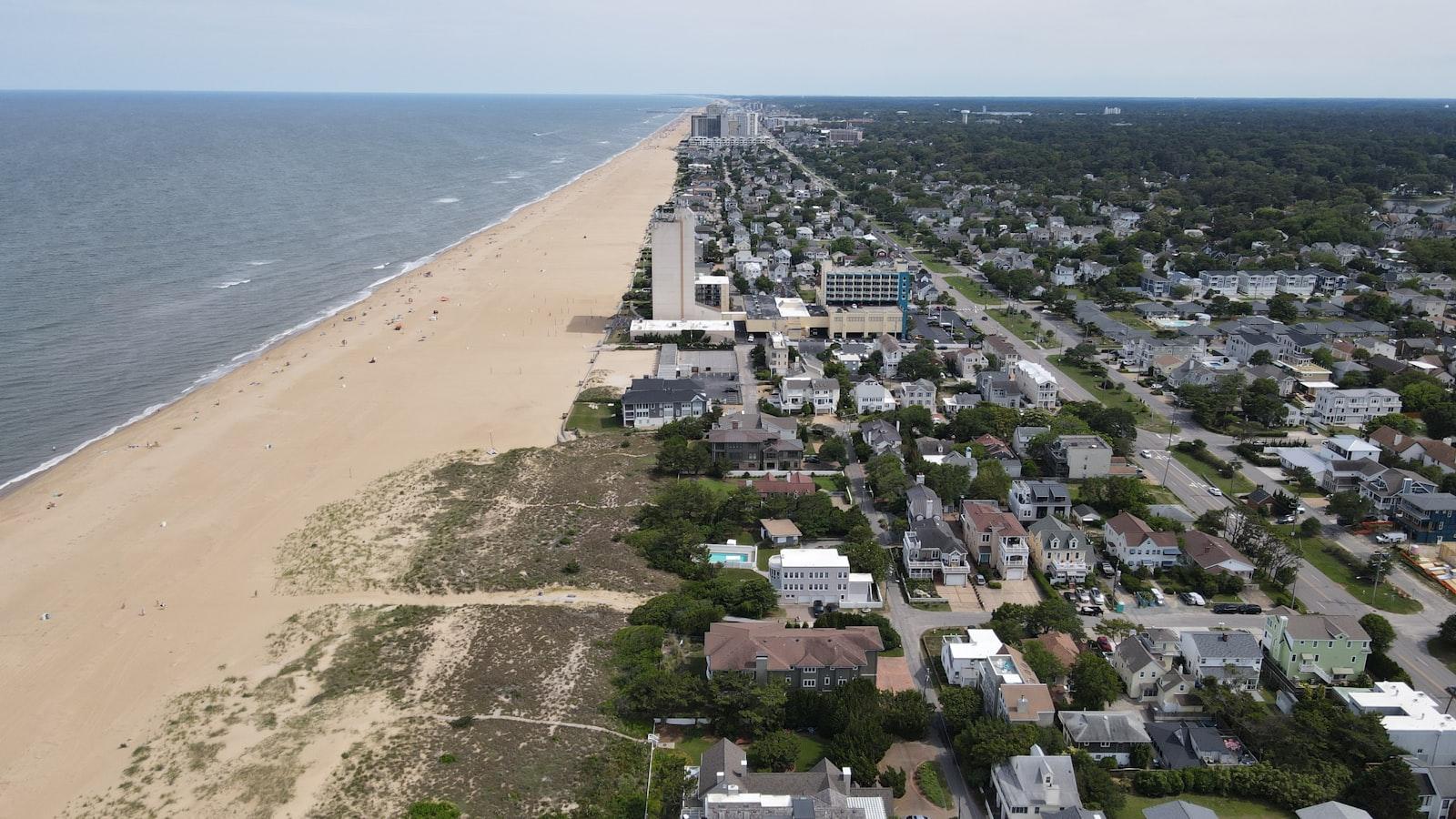
Hurricanes, storm surge, salt spray, and sprawling live oaks each threaten coastal trees. Here is how Virginia Beach storms cause damage and how to prepare.
How Hurricanes Damage Virginia Beach Trees, and How to Prepare
Virginia Beach and the rest of Hampton Roads sit on flat, low-lying coastal ground where hurricanes and tropical storms are a fact of life. Wind, storm surge, saturated sandy soils, and salt spray each stress trees differently along the coast. Understanding how these storms cause failures is the first step toward protecting your home and knowing when to call for help.
Hurricane Winds and Saturated Soil
When a hurricane or tropical storm tracks up the coast, it brings sustained wind and heavy rain together. That combination is what topples trees. Once the region's sandy, low-lying soils are fully saturated, root plates lose their grip, and trees that would survive the same wind on dry ground fall over intact. The National Weather Service Wakefield office (AKQ) issues watches and warnings for Hampton Roads as systems approach, and Dominion Energy crews spend the days after clearing trees off lines. Many failures come late in the storm, once the ground has had hours to soften.
Storm Surge and Flooding
Low-lying Virginia Beach is especially vulnerable to storm surge and tidal flooding. Salt water pushed inland does not just flood streets; it soaks root zones and can slowly kill trees that are not salt-tolerant. Flooded, waterlogged soil also loosens roots, so a tree that survives the wind may fail days later as the ground stays saturated. After any surge event, watch nearby trees for sudden leans and yellowing or dropping leaves.
Live Oaks and Salt Spray
The sprawling live oaks that give coastal Virginia its character are well adapted to salt and wind, but even they have limits. Their wide, heavy horizontal limbs can crack and drop in a strong blow, and any tree stressed by repeated salt spray, decay, or past storm damage becomes a liability. Salt-laden wind can also scorch and weaken less tolerant species set back from the shore.
Preparing Your Trees Before Hurricane Season
You cannot steer a hurricane, but you can lower your risk. The best preparation happens on calm, dry days, well before a storm is in the forecast:
Have mature trees inspected for lean, cracks, cavities, and deadwood
Prune dead limbs and thin dense canopies so wind can pass through
Clear branches away from the roof and the Dominion drop to your home
Share this article:
Need help with this right now?
We respond 24/7. Call (866) 320-7003 or start with the page that matches your situation.
Service in your area
Related services
Related Articles

ACV vs. Replacement Cost for Tree Damage Claims
Actual cash value and replacement cost can produce very different payouts. Here is how each is calculated and what to check before you file a tree claim.
Stump Removal After Emergency Tree Work
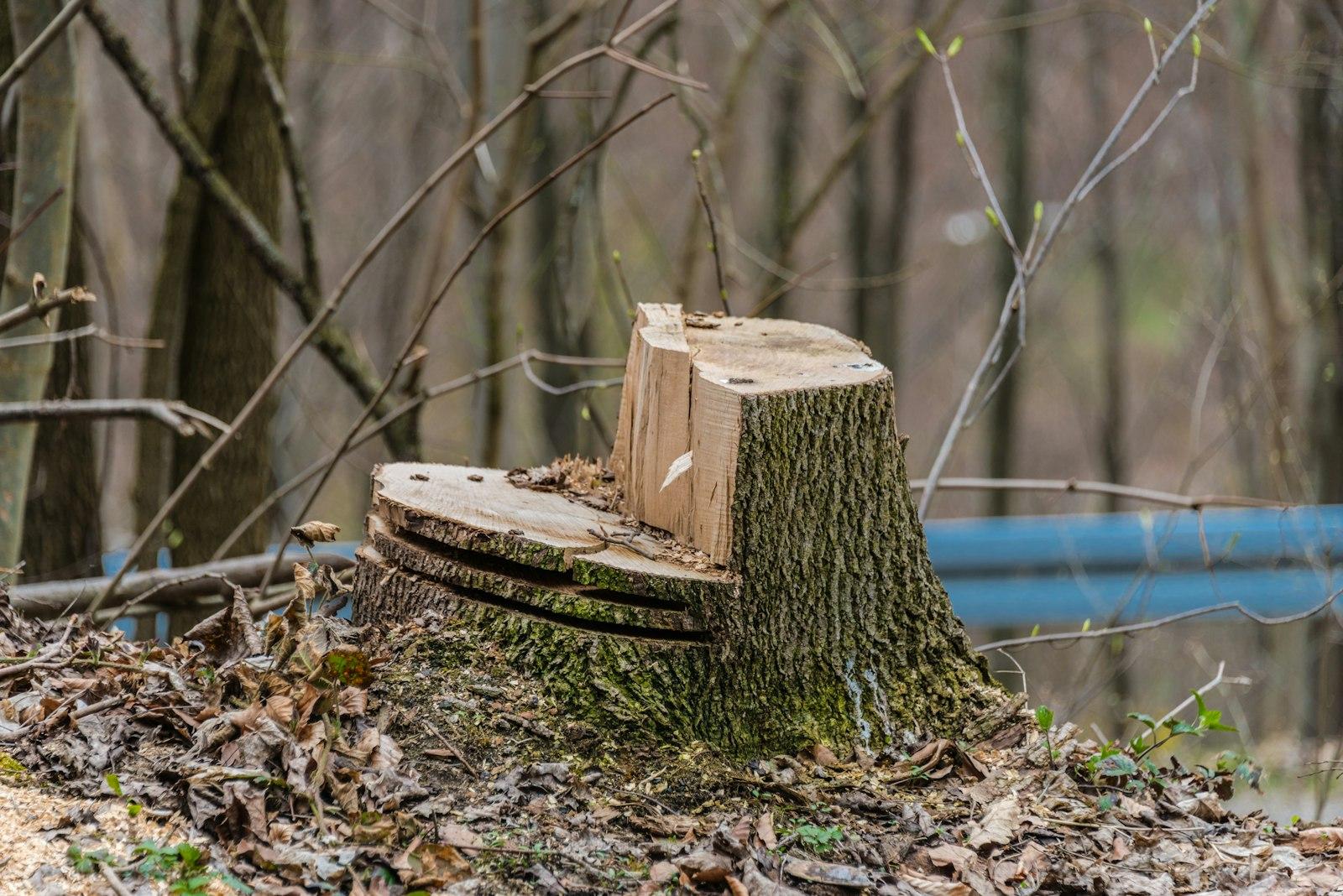
Once the emergency is over and the tree is gone, a stump is left behind. Here is what to know about grinding versus full removal and how to handle it right.
Richmond Storm Tree Damage: An RVA Homeowner's Guide
Need Emergency Tree Service?
Our team of certified arborists is available 24/7 to handle any tree emergency.