Beech Leaf Disease: What It Means for Storm Risk at Home

By Tree Emergency Expert
Tree Emergency Expert
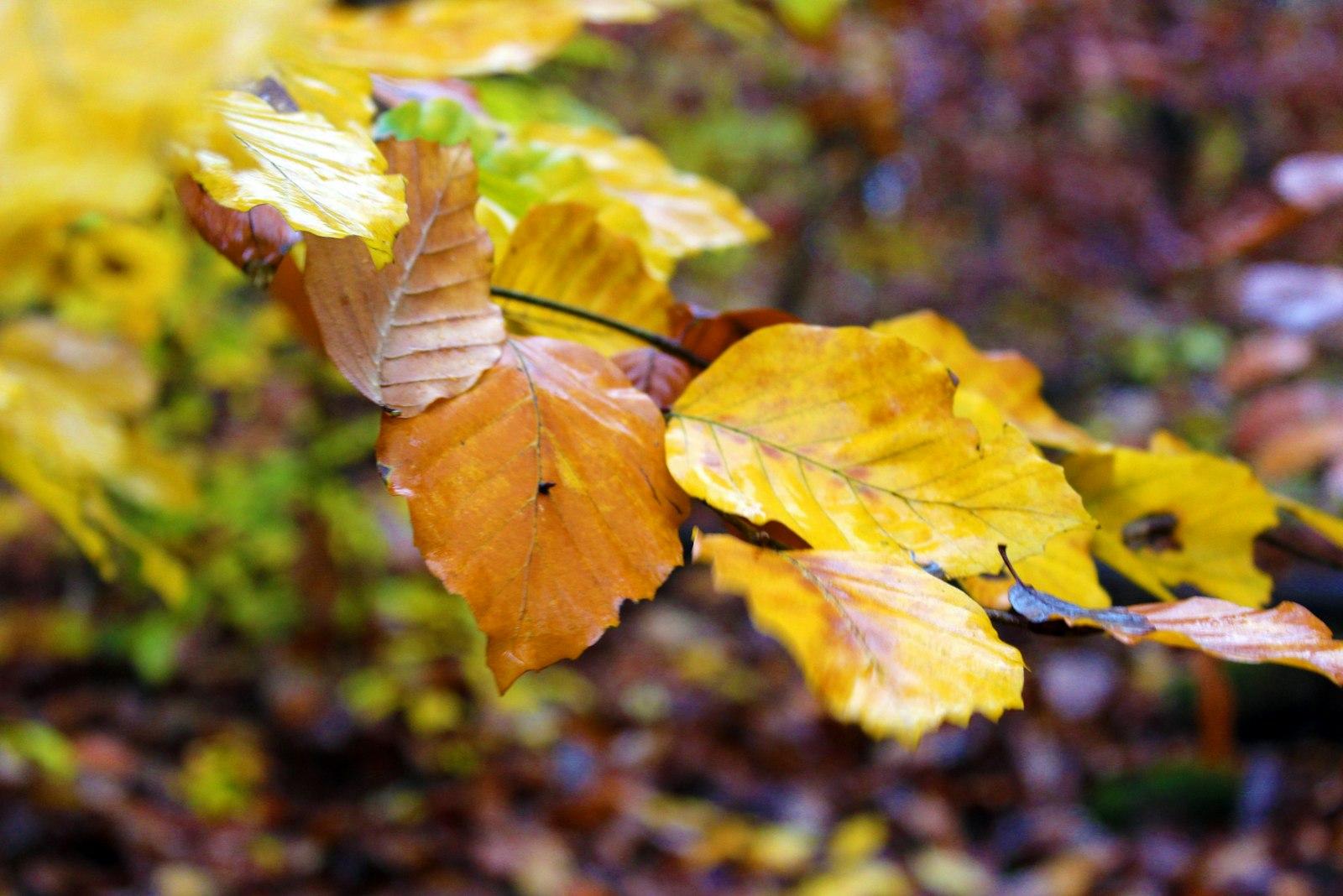
Beech leaf disease is spreading across the Northeast. Learn the symptoms, how it weakens beech trees over time, and when a sick beech becomes a storm hazard.
If you have American or European beech trees on your property in the Northeast, there is a good chance you have heard the phrase "beech leaf disease." It is one of the fastest-moving tree health problems our certified arborists see, and while it rarely drops a tree overnight, it steadily changes how a beech handles wind, snow, and ice.
What Beech Leaf Disease Is
Beech leaf disease is caused by a microscopic nematode, a tiny roundworm that lives in and feeds on beech buds and leaves. It was first identified in Ohio in 2012. Since then it has spread widely across the Northeast, and it is now well established in Connecticut, Rhode Island, Massachusetts, New York, New Jersey, and Pennsylvania.
It affects native American beech as well as ornamental European beech.
Symptoms to Look For
The earliest sign shows up in the leaves, and it is easiest to see from below on a bright day in early summer.
Dark banding between the veins: Look for dark green stripes running between the leaf veins. Hold a leaf up to the sky and the bands stand out clearly.
Thickened, puckered, or leathery leaves: Heavily affected leaves may curl, crinkle, or feel stiffer than normal.
Thinning crowns: Over a few seasons, affected trees leaf out more sparsely. You can see more sky through the canopy than you used to.
Aborted buds and dead twigs: Buds may fail to open, leaving bare shoot tips and small dead branches, often starting in the lower canopy.
How It Weakens a Tree Over Years
Leaves are how a tree makes its food. When a beech loses leaf area year after year, it has less energy to grow new wood, defend against decay, and recover from other stresses like drought or insects.
That slow decline matters structurally. A stressed beech is more likely to develop dead limbs, bark damage, and decay in the trunk or root flare. Beech is also a thin-barked species that can be hit by other problems, such as beech bark disease, which compounds the damage.
Why It Matters in a Storm
A healthy beech is a strong, dense tree. A beech that has been declining for several seasons is a different story.
Dead limbs fail first: Dieback in the crown creates brittle branches that snap in moderate wind or under wet snow.
Share this article:
Need help with this right now?
We respond 24/7. Call (866) 320-7003 or start with the page that matches your situation.
Related Articles
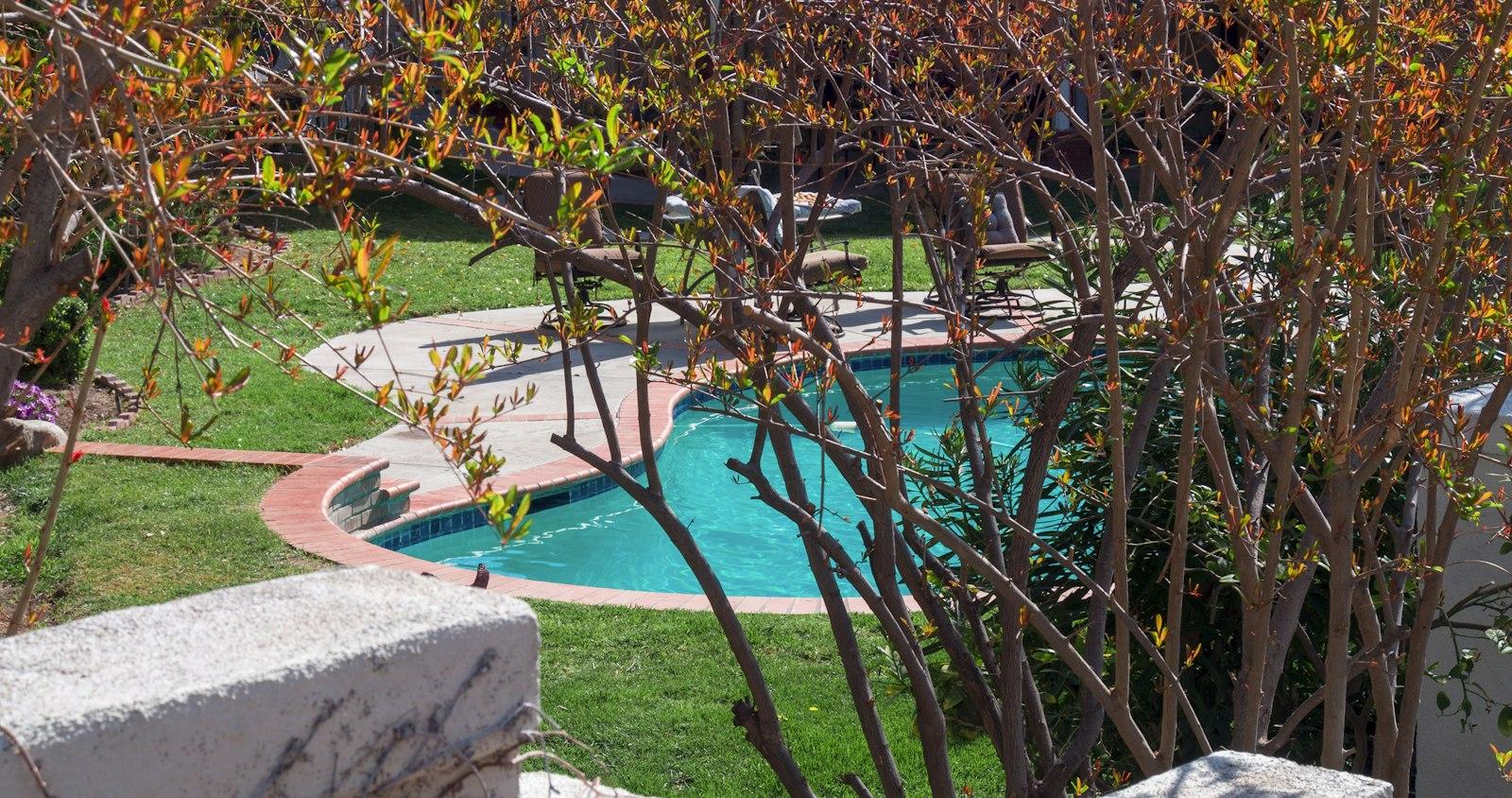
Tree Fell on Your Pool or Deck? What to Do and What to Avoid
A tree on a pool or deck brings electrical, water, and collapse hazards most people do not expect. Here is how to stay safe and get it removed properly.

Filing a USAA Tree Damage Claim: A Practical Guide
A well-documented USAA tree damage claim moves more smoothly. Here is how to make the scene safe, capture evidence, report the loss, and work with an adjuster.

New Haven Storm Tree Damage Guide: What Homeowners Should Know
Need Emergency Tree Service?
Our team of certified arborists is available 24/7 to handle any tree emergency.