Additional Living Expenses After a Tree Hits Your Home

By Tree Emergency Expert
Tree Emergency Expert
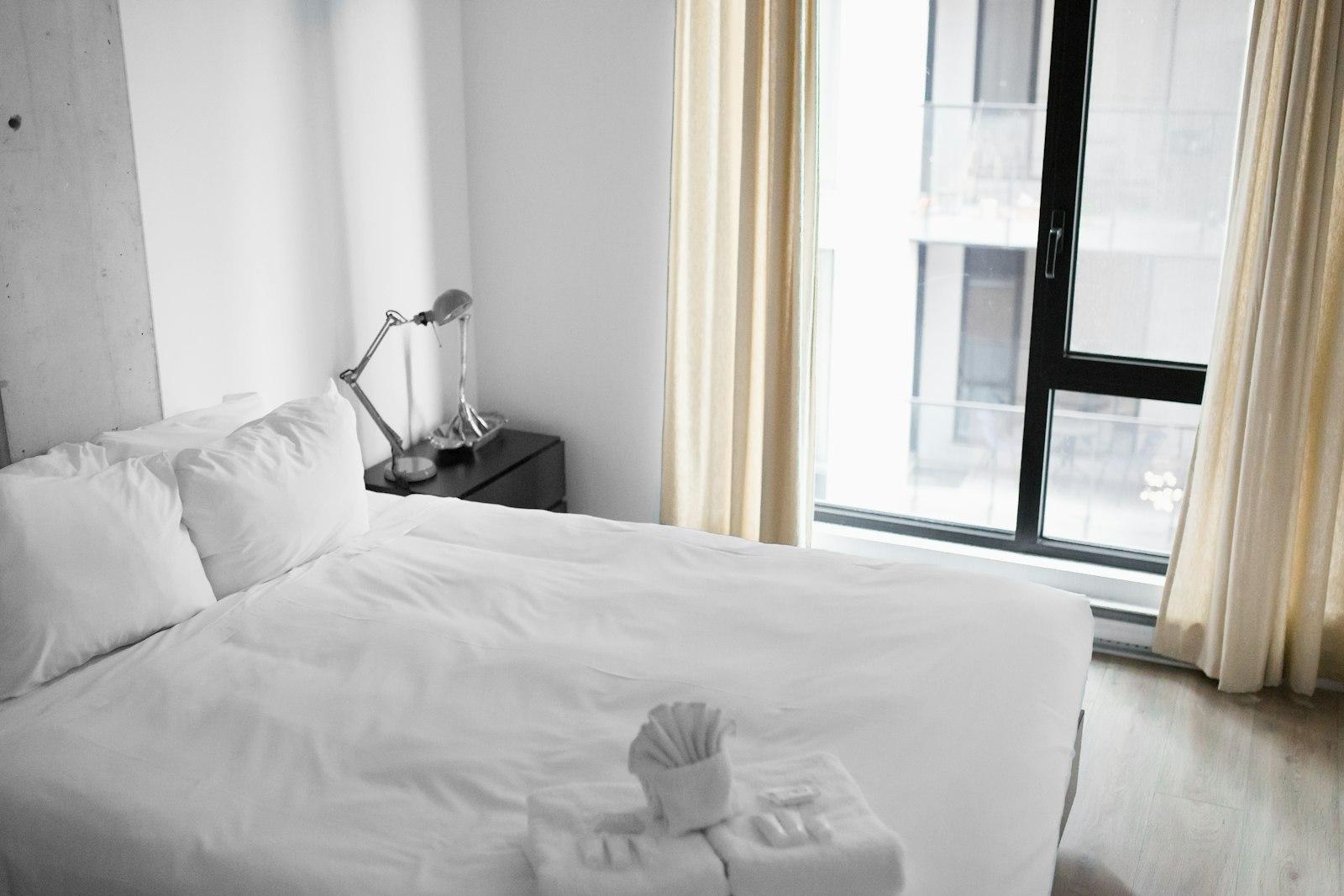
If a fallen tree makes your home unlivable, Loss of Use coverage may help pay for a hotel, meals, and more. Here is how it typically works and what to track.
When a tree comes through your roof, the first worries are safety and stopping the damage. The next question is often simpler and more urgent: where are we going to sleep tonight? Many homeowners policies include coverage that can help with exactly that. It is usually called Loss of Use or Additional Living Expenses (ALE), and understanding it early can save you money and stress.
Coverage varies by policy, so always confirm the details with your insurer.
What Loss of Use Coverage Is
On many standard HO-3 homeowners policies, Loss of Use is listed as Coverage D. It is designed to help when a covered loss makes your home unfit to live in while it is being repaired.
The key idea is that it generally pays the additional cost of living elsewhere, not your entire cost of living. If you normally spend a certain amount on groceries and now have to eat at restaurants, the policy may cover the difference rather than the whole bill.
When a Tree Makes a Home Unlivable
A tree does not have to destroy a house to make it unlivable. Common situations include:
A trunk or large limb has broken through the roof or a wall
Rooms are exposed to weather or have serious water intrusion
Electrical service has been damaged or disconnected for safety
A local official or contractor has said the structure is not safe to occupy
Damage to a kitchen or bathroom makes normal living impractical
Whether your situation qualifies depends on your policy language and your adjuster's assessment of the loss.
What It Typically Covers
Policies differ, but Additional Living Expenses often address costs such as:
Temporary housing: Hotel stays or a short-term rental while repairs are made
Extra food costs: The difference between what you normally spend and what you spend without a working kitchen
Extra transportation: Added mileage if your temporary housing is farther from work or school
Laundry: Laundromat costs if you cannot use your own machines
Share this article:
Need help with this right now?
We respond 24/7. Call (866) 320-7003 or start with the page that matches your situation.
Related Articles
Chainsaw and Generator Safety After a Storm: What to Know
Many storm injuries happen after the storm passes. Learn why chainsaw work on storm trees is so risky and how to run a portable generator without CO danger.
Westchester County Storm Tree Damage: A Homeowner's Guide
Big oaks and maples make Westchester beautiful and storm-prone. Here is how to prepare, who to call, and what to do when a tree comes down on your property.
Beech Leaf Disease: What It Means for Storm Risk at Home
Need Emergency Tree Service?
Our team of certified arborists is available 24/7 to handle any tree emergency.