Tree Branch Through a Window? What to Do Right Now

By Tree Emergency Expert
Tree Emergency Expert
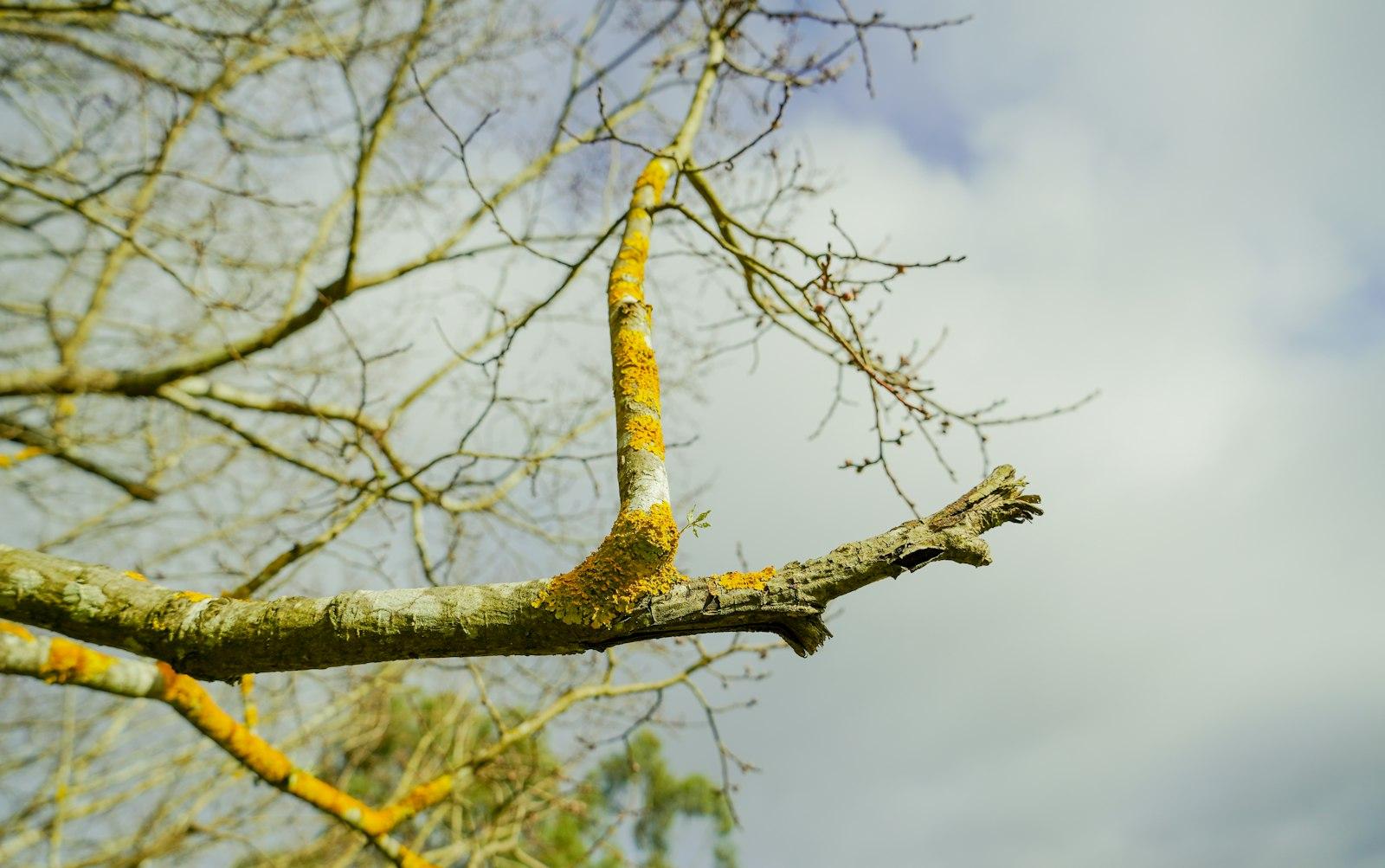
A branch punching through your window is jarring. Here is exactly what certified arborists say to do first to stay safe, limit damage, and protect your insurance claim.
A tree branch punching through a window is startling, and the mix of broken glass and a heavy, loaded limb creates real danger inside your home. A calm, safety-first response protects your family and preserves your insurance claim. As certified arborists who answer these calls around the clock, here is the exact sequence we walk homeowners through.
Move Everyone Away From the Glass
Your first priority is people, not property. Broken window glass can spray several feet into the room, and a branch under tension may shift or drop further at any moment.
Move everyone, including pets, out of the affected room and shut the door if you safely can
Keep shoes on and watch for glass shards on the floor, furniture, and carpet
Do not grab or pull the branch. It may be wedged in place and holding weight from the tree outside
If the branch is large, is still connected to a leaning tree, or the wall around the window looks cracked or bowed, treat the whole area as unstable and stay clear.
Check for Bigger Hazards Outside
A branch through a window is often a warning sign of a larger failure. From a safe distance, look up and around before doing anything else.
Power lines: If the tree or any limb is touching wires, keep at least 35 feet away and call 911 and your utility. Never assume a downed line is dead.
The rest of the tree: A split trunk, a hanging limb, or a leaning tree can drop again. Do not stand under it.
Structural damage: Cracks spreading from the window frame or a sagging header mean the impact affected more than the glass.
Protect the Opening From Weather
Once people are safe and there are no live hazards, your goal is to keep wind, rain, and animals out without disturbing the branch. If the limb is small and clearly not load-bearing, you can carefully cover the interior opening. If it is large or still attached to the tree, leave it for professionals and cover only what you safely can.
Tape a tarp or heavy plastic over the inside of the window frame
Move electronics, furniture, and valuables out of the splash zone
Lay towels to catch water and slow damage to floors
Share this article:
Need help with this right now?
We respond 24/7. Call (866) 320-7003 or start with the page that matches your situation.
Related Articles

Virginia Beach Hurricane Tree Damage: A Coastal Guide
Hurricanes, storm surge, salt spray, and sprawling live oaks each threaten coastal trees. Here is how Virginia Beach storms cause damage and how to prepare.

ACV vs. Replacement Cost for Tree Damage Claims
Actual cash value and replacement cost can produce very different payouts. Here is how each is calculated and what to check before you file a tree claim.
Stump Removal After Emergency Tree Work
Need Emergency Tree Service?
Our team of certified arborists is available 24/7 to handle any tree emergency.