Jersey Shore Nor'easter Tree Guide for Ocean & Monmouth

By Tree Emergency Expert
Tree Emergency Expert
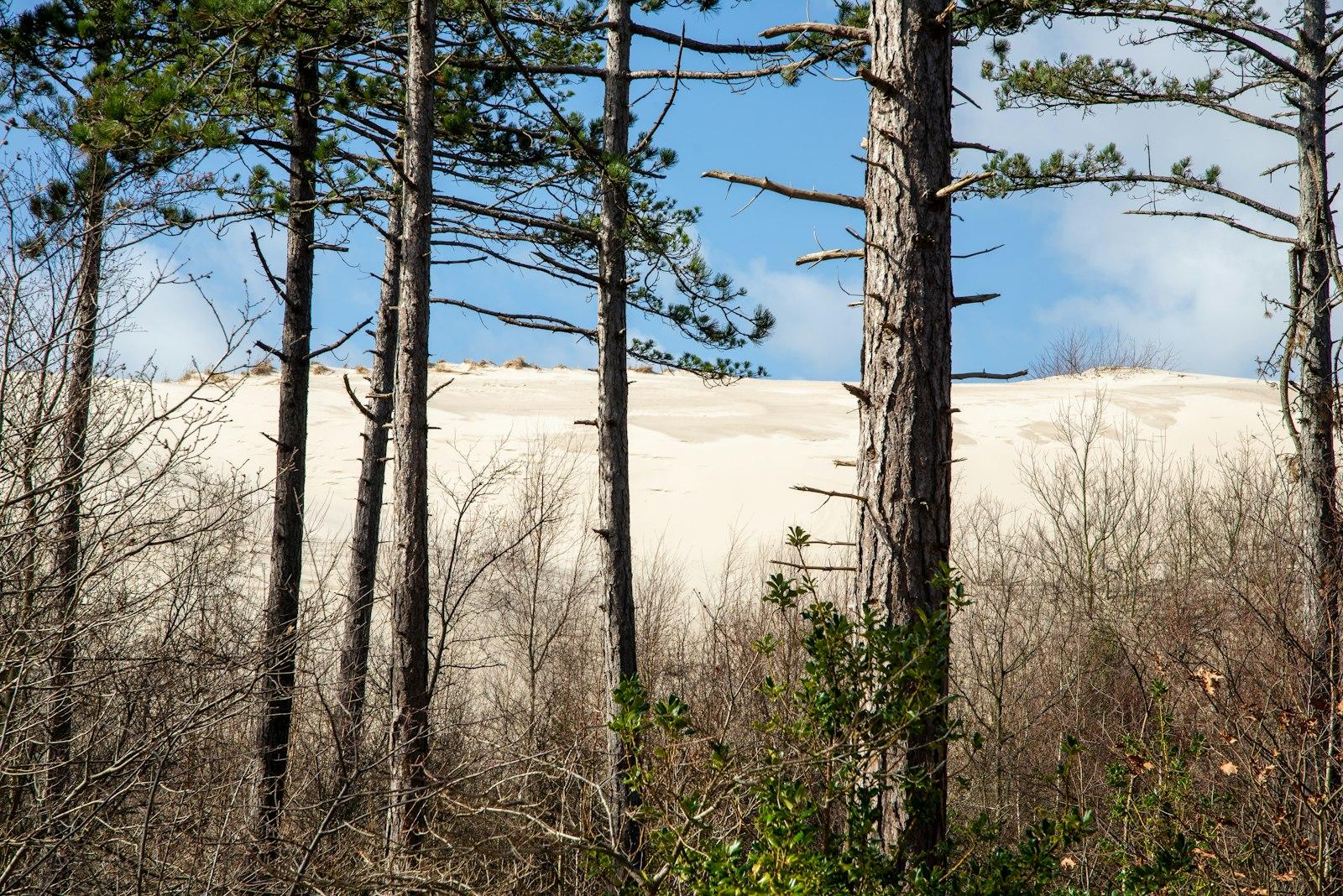
Sandy soil, shallow-rooted pines, and salt-laden wind make Jersey Shore trees vulnerable in nor'easters. Here is how to prepare in Ocean and Monmouth counties.
Why Shore Trees Fail Differently
Nor'easters are the storms Jersey Shore homeowners see most often, and they are hard on trees in a specific way. Instead of a quick burst of wind, a nor'easter can bring a day or more of steady onshore gusts, soaking rain, and coastal flooding. In Toms River and across Ocean and Monmouth counties, that combination meets a landscape with its own weak points: sandy soil, shallow roots, and trees that have spent years absorbing salt.
Superstorm Sandy, which made landfall near Brigantine in October 2012, is still the reference point for many shore residents. You do not need a storm of that scale to lose a tree, though. A long nor'easter that saturates the ground can topple a healthy-looking pine on an ordinary fall or winter weekend.
Know Your Local Trees
Pitch Pines and the Pine Barrens Edge
Much of inland Ocean County sits on the edge of the Pine Barrens, where pitch pine is the signature tree. Pitch pines are tough and fire-adapted, but in residential lots they often grow tall and lean with thin crowns high above the ground. When sandy soil is saturated, the root plate can lose its grip and the whole tree can tip rather than snap.
Oaks in Sandy Ground
Oaks are common across both counties and are generally strong, but in sandy soil they tend to spread roots wide rather than deep. Construction, trenching, or new driveways near an oak can quietly cut the roots that anchor it. Watch for deadwood in the upper crown, fungal growth near the base, and cracks in the soil on the side opposite a lean.
Salt Exposure
Wind-driven salt spray and flooding with brackish water stress trees near the bays and barrier islands. Salt damage shows up as browning on the windward side, thinning canopies, and dieback that can take a season or two to appear. A tree weakened this way is more likely to drop limbs in the next storm.
Before the Storm
Walk your property and look for leaning trees, especially any with fresh soil mounding or cracking at the base.
Note large limbs hanging over the roof, driveway, or the service line running to your house.
Move vehicles away from tall pines and oaks when a nor'easter is in the forecast.
Follow forecasts from the National Weather Service Mount Holly office, which covers Ocean and Monmouth counties.
Share this article:
Need help with this right now?
We respond 24/7. Call (866) 320-7003 or start with the page that matches your situation.
Related Articles

Chainsaw and Generator Safety After a Storm: What to Know
Many storm injuries happen after the storm passes. Learn why chainsaw work on storm trees is so risky and how to run a portable generator without CO danger.

Additional Living Expenses After a Tree Hits Your Home
If a fallen tree makes your home unlivable, Loss of Use coverage may help pay for a hotel, meals, and more. Here is how it typically works and what to track.
Westchester County Storm Tree Damage: A Homeowner's Guide
Need Emergency Tree Service?
Our team of certified arborists is available 24/7 to handle any tree emergency.