Spring Storm Tree Prep: A Homeowner's Checklist

By Tree Emergency Expert
Tree Emergency Expert
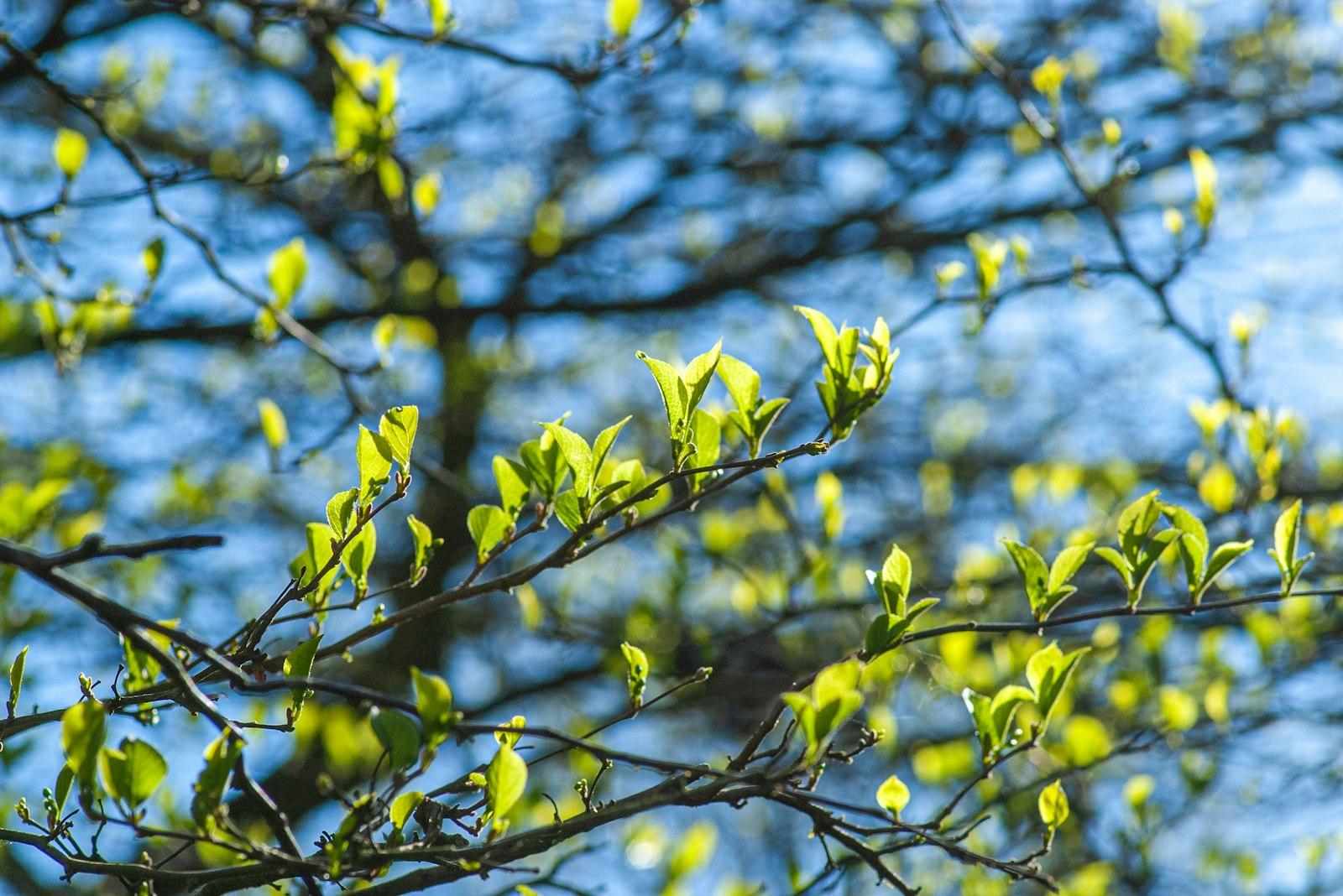
Spring is the best time to get trees ready for storm season. Use this checklist to inspect, prune, and reduce the risk of failure before the weather turns.
Get Your Trees Ready Before Storm Season
Spring is the single best time to prepare your trees for the weather ahead. The ground is thawing, buds are breaking, and the damage from winter is easy to spot before a full canopy hides it. A few hours of inspection and cleanup now can prevent a fallen limb, a damaged roof, or a power outage later. Use this checklist to work through your property methodically before the first summer storms arrive.
Start With a Ground-Level Inspection
Walk your property and look at each mature tree from base to crown. You are hunting for the warning signs that a tree may fail under wind, rain, or wet snow:
Lean: a new or worsening tilt, especially with soil heaving or cracking on one side of the base
Cracks and cavities: vertical splits in the trunk, open wounds, or hollow-sounding areas
Deadwood: bare limbs with no buds in spring, brittle branches, or bark falling away
Weak unions: tight, V-shaped forks where two stems press together, which split easily
Root problems: mushrooms or fungal conks at the base, or roots severed by recent digging
Winter often leaves hidden damage. A limb that cracked under ice may still be hanging, and a tree loosened by saturated ground can look fine until the next big wind.
Prune Smart, Not Hard
Spring pruning should remove hazards and improve structure, not strip the tree. Focus on dead, diseased, and crossing branches, and thin dense canopies so wind can pass through rather than push against a solid wall of leaves. Clear any limbs growing toward the roof, the driveway, or the electric service drop to your home. Avoid topping trees, which creates weak regrowth and more risk down the road. The International Society of Arboriculture offers homeowner-friendly guidance on proper pruning and tree care at Trees Are Good.
Know Which Trees Threaten What
Not every tree carries the same risk. Map out which trees overhang your house, your vehicles, and your power line, and prioritize those. A healthy tree in the open corner of the yard is low priority; a leaning, decayed tree above the bedroom is not. This simple exercise tells you where to spend your budget and attention first.
Share this article:
Need help with this right now?
We respond 24/7. Call (866) 320-7003 or start with the page that matches your situation.
Related Articles
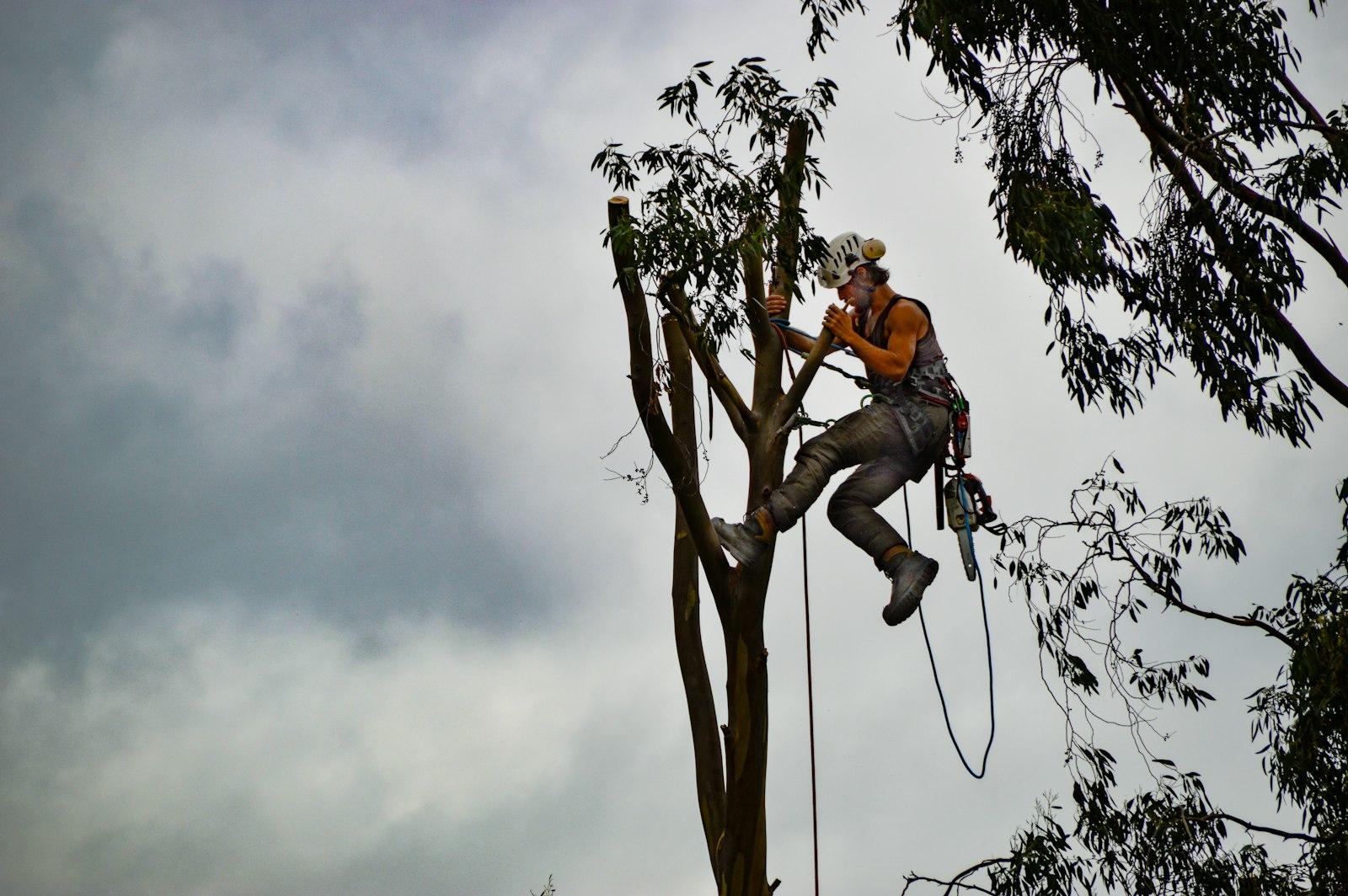
How to Hire a Licensed, Insured Arborist
Hiring the wrong tree company can cost you dearly. Here is how to verify credentials, insurance, and certification so you hire a safe, qualified arborist.

Minneapolis Storm Tree Damage: A Twin Cities Guide
Severe thunderstorms, derechos, ice, and emerald ash borer all threaten Minneapolis trees. Here is how Twin Cities storms cause damage and how to prepare.

Renters Insurance and Fallen Tree Damage Explained
Need Emergency Tree Service?
Our team of certified arborists is available 24/7 to handle any tree emergency.