Philadelphia Storm Tree Damage: A Homeowner's Guide

By Tree Emergency Expert
Tree Emergency Expert
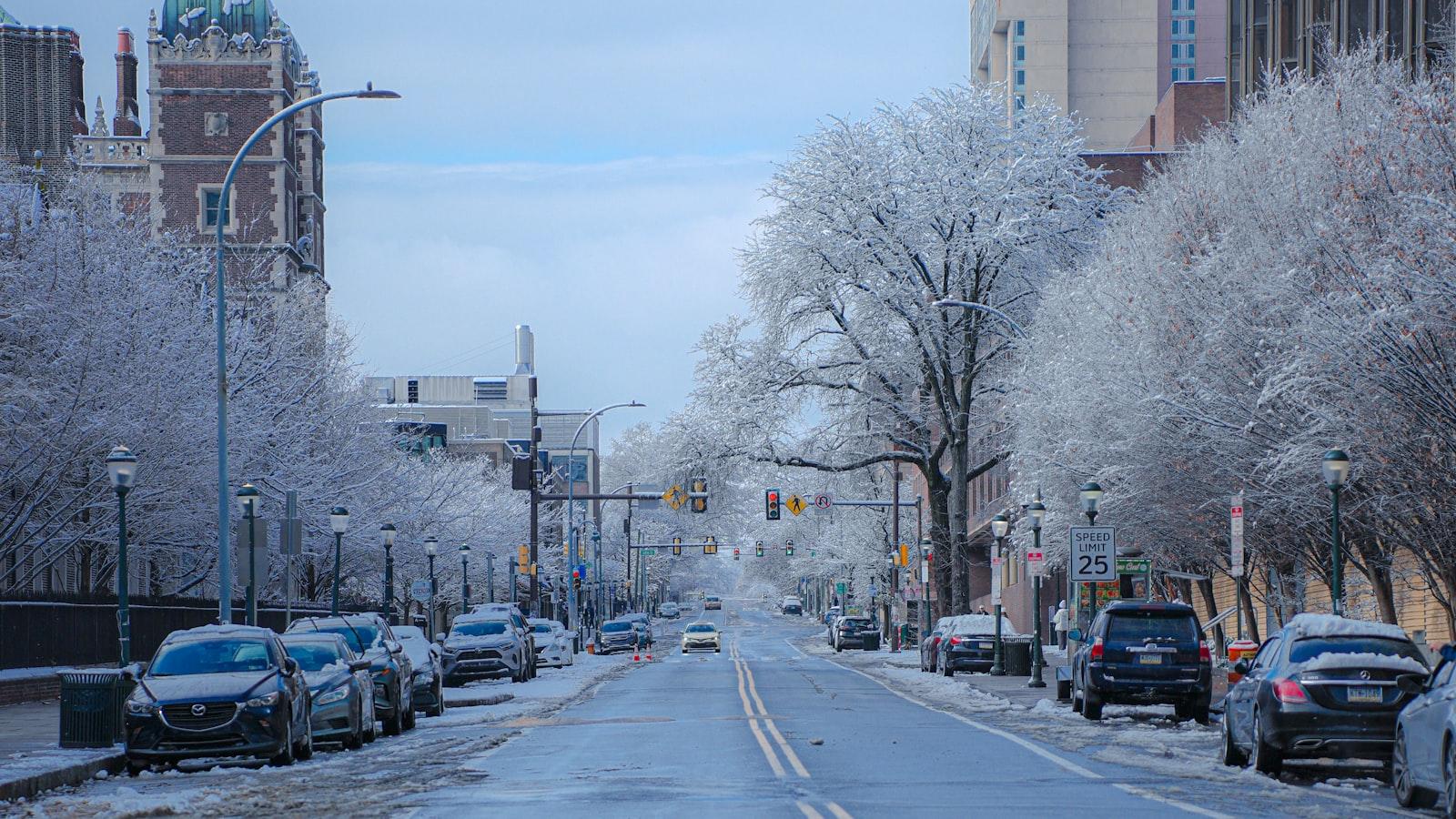
Nor'easters, tropical remnants like Ida, and summer microbursts each threaten Philadelphia trees. Here is how the region's storms damage property and how to prepare.
How Philadelphia Storms Damage Trees, and How to Prepare
Philadelphia's trees face a demanding mix of weather. Coastal nor'easters, the flooding remnants of tropical systems, heavy wet snow, and fast summer thunderstorms each stress trees in different ways. For homeowners from Chestnut Hill and Mount Airy to Roxborough, Fishtown, and South Philadelphia, understanding how these storms cause damage is the first step toward protecting your property and knowing when to call for help.
Tropical Remnants and Saturated Ground
The Philadelphia region sits in the path of decaying hurricanes and tropical storms that ride up the coast. The remnants of Hurricane Ida in September 2021 are the region's recent benchmark, dropping record rain, sending the Schuylkill over its banks, and toppling waterlogged trees across the metro. The lesson is that rain, not just wind, brings trees down. Once the ground is fully saturated, root plates lose their grip, and healthy-looking trees along the Wissahickon and in low-lying neighborhoods topple over intact. Most failures come late in a storm, after the soil has turned soft.
The National Weather Service office in Mount Holly (NWS PHI) issues the flood and wind watches that give you a head start. When they flag a soaking rain behind an already-wet stretch, tree failures across the city tend to climb.
Nor'easters and Wet Snow
Nor'easters push sustained wind and heavy rain across the Delaware Valley, sometimes for a day or more, and the same saturated-ground risk applies. Winter versions bring a second hazard: heavy, wet snow. When a wet snow falls early or late in the season while leaves are still on the trees, the weight loads branches until weak unions and dead limbs snap all at once, often onto the service drops that feed your house.
Summer Microbursts
Summer brings a faster, more localized threat. Microbursts, the intense downdrafts from collapsing thunderstorms, can produce straight-line winds rivaling a tornado over a few blocks, flattening otherwise healthy trees in seconds. Because they strike with little warning, prevention matters more than reaction. A tree already weakened by decay or poor branch structure is the one most likely to fail when one rolls through.
Preparing Your Trees Before the Season
You cannot control the weather, but you can reduce your risk. The best preparation happens on calm, dry days, well ahead of any forecast:
Have mature trees inspected for lean, cracks, cavities, and dead limbs
Share this article:
Need help with this right now?
We respond 24/7. Call (866) 320-7003 or start with the page that matches your situation.
Service in your area
Related services
Related Articles
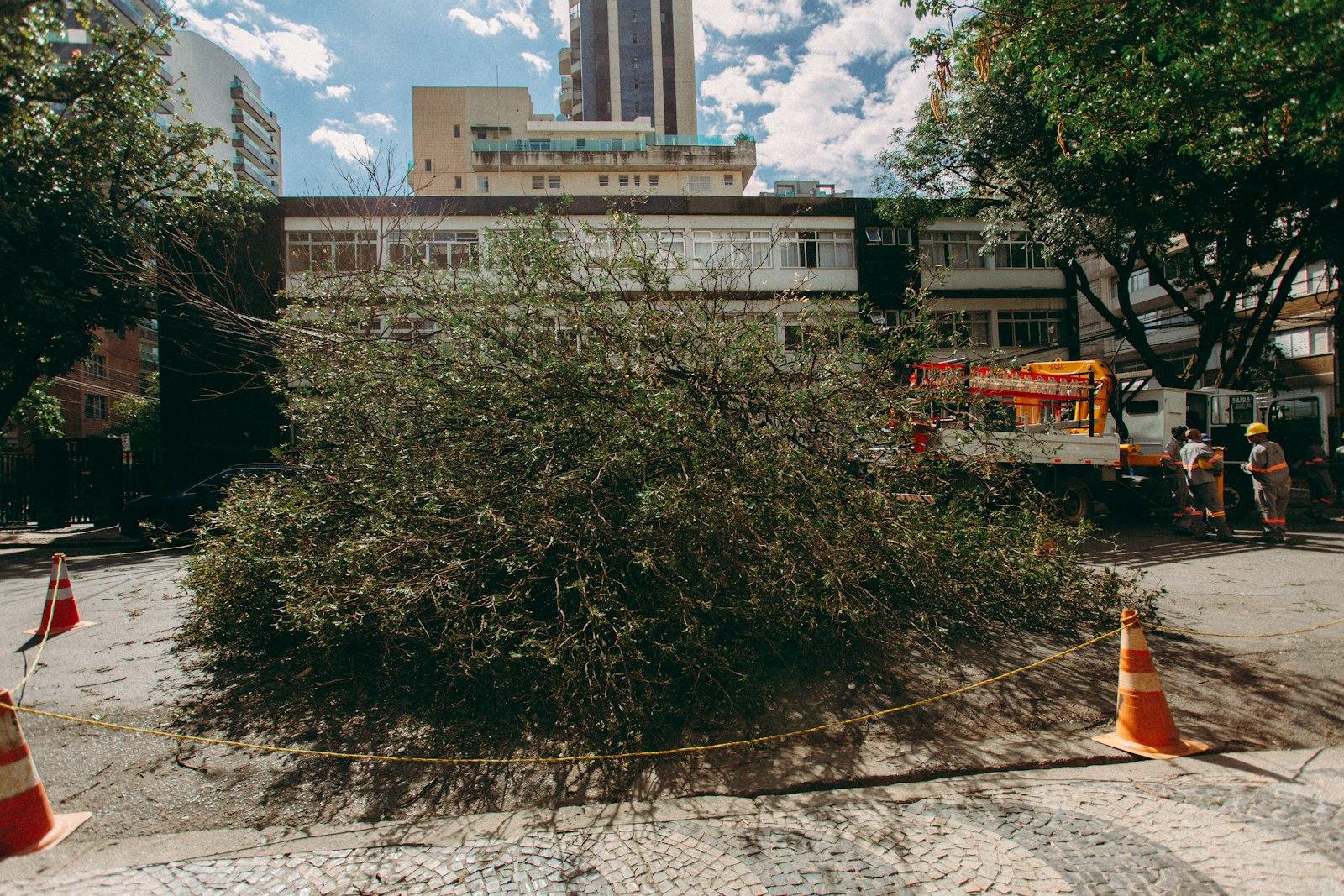
Emergency vs. Scheduled Tree Removal Explained
A tree on your roof and a dead tree out back are two very different jobs. Here is how to tell whether you need emergency response or a scheduled removal.
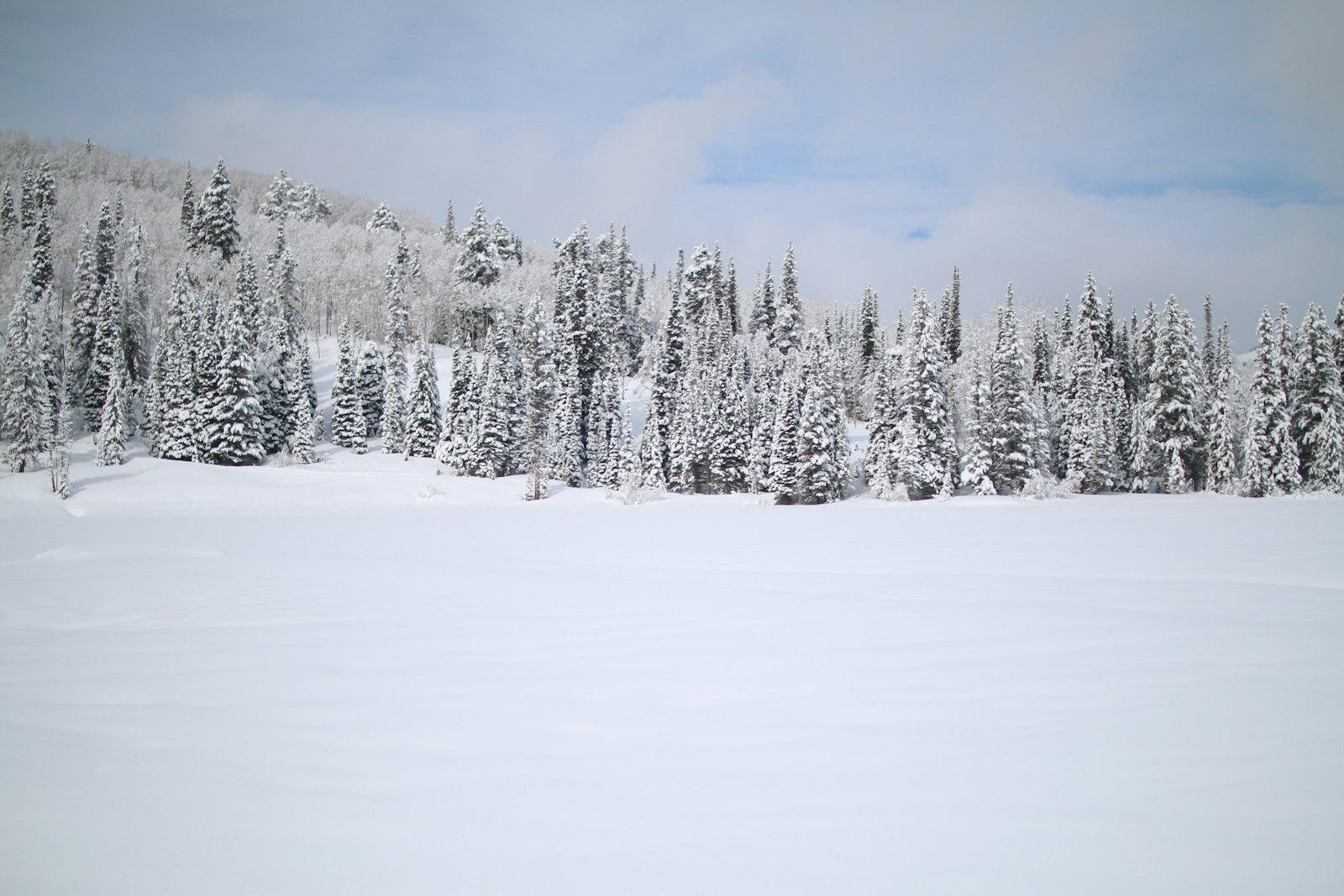
Buffalo Lake-Effect Tree Damage: An Erie County Guide
Lake-effect snow, wet snow bands, and ice loading each threaten Buffalo's trees. Here is how Erie County storms cause damage and how to prepare.

How to Appeal a Denied Tree Damage Insurance Claim
Need Emergency Tree Service?
Our team of certified arborists is available 24/7 to handle any tree emergency.