North Carolina Hurricane Tree Damage: A Coastal Guide

By Tree Emergency Expert
Tree Emergency Expert
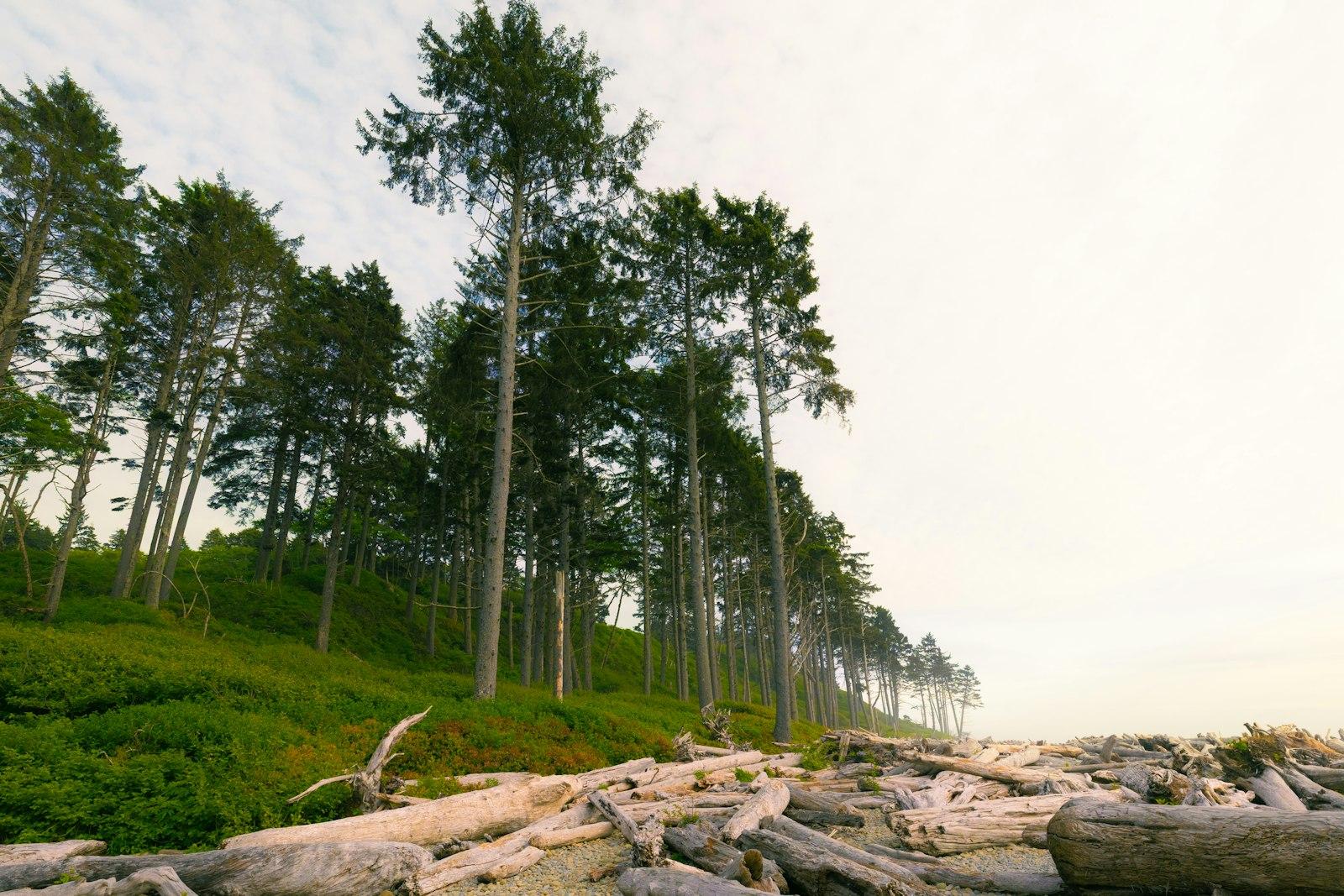
Hurricanes, storm surge, and salt wind each threaten trees along the Outer Banks and coastal North Carolina. Here is how the storms damage property.
How Coastal North Carolina Storms Damage Trees, and How to Prepare
Few places in the country take hurricanes as directly as the North Carolina coast. Cape Hatteras juts into the Atlantic where storms track, and the Outer Banks, the Crystal Coast, and the mainland communities behind the sounds all bear the brunt. Hurricanes and tropical storms, storm surge, salt-laden wind, and saturated sandy soil each stress trees in different ways. For homeowners from Nags Head and Kitty Hawk to Morehead City, Beaufort, and the Down East villages, understanding how these storms cause damage is the first step toward protecting your property and knowing when to call for help.
Hurricanes and Full-Canopy Wind
The defining tree threat here is the landfalling hurricane. Sustained wind pushes on full summer and fall canopies with enormous force, and the barrier-island geography offers little shelter. Live oaks are built to bend, but pines, water oaks, and any tree with a weak union or decay pocket are the ones that snap or uproot first. Storms like Florence, Dorian, and Isaias each carved their own path of downed trees across the region, and the pattern repeats: the trees that fail were usually already compromised.
The National Weather Service office in Newport/Morehead City (NWS MHX) issues the wind, surge, and flood warnings that give you a head start. When they flag a landfalling or brushing system, tree failures across the coast tend to surge.
Storm Surge and Saturated Sand
On the Outer Banks, the sandy soil drains fast but saturates completely under a hurricane's rain and surge. Once the ground is fully waterlogged, root plates lose their grip, and healthy-looking trees topple over intact. Saltwater intrusion from surge also poisons root zones, killing trees slowly in the months after a storm and leaving them brittle for the next one. Low, sound-side lots are the ones to watch most closely.
Salt Wind Between the Storms
Even outside named storms, coastal trees take a constant beating from salt spray and steady ocean wind. This chronic stress weakens foliage and thins canopies over time, so the trees near the beach are often the first to fail when a big blow finally arrives. Wind-sculpted, one-sided crowns are a telltale sign of a tree living on the edge.
Preparing Your Trees Before the Season
You cannot control the weather, but you can reduce your risk. The best preparation happens on calm, dry days, well ahead of hurricane season:
Have mature trees inspected for lean, cracks, cavities, and dead limbs
Share this article:
Need help with this right now?
We respond 24/7. Call (866) 320-7003 or start with the page that matches your situation.
Service in your area
Related services
Related Articles
Why October Snow Breaks So Many Trees Still in Leaf
Early wet snow on trees still in full leaf can break more limbs than a big winter storm. Here is why it happens, what to do, and when to call an arborist.
Drought-Stressed Trees and the Hidden Failure Risk
Drought does lasting damage to trees, raising the risk of limb drop and sudden failure. Learn the warning signs and how to reduce the danger to your home.
Tornado Tree Damage: What Homeowners Should Know
Need Emergency Tree Service?
Our team of certified arborists is available 24/7 to handle any tree emergency.