Minneapolis Storm Tree Damage: A Twin Cities Guide

By Tree Emergency Expert
Tree Emergency Expert
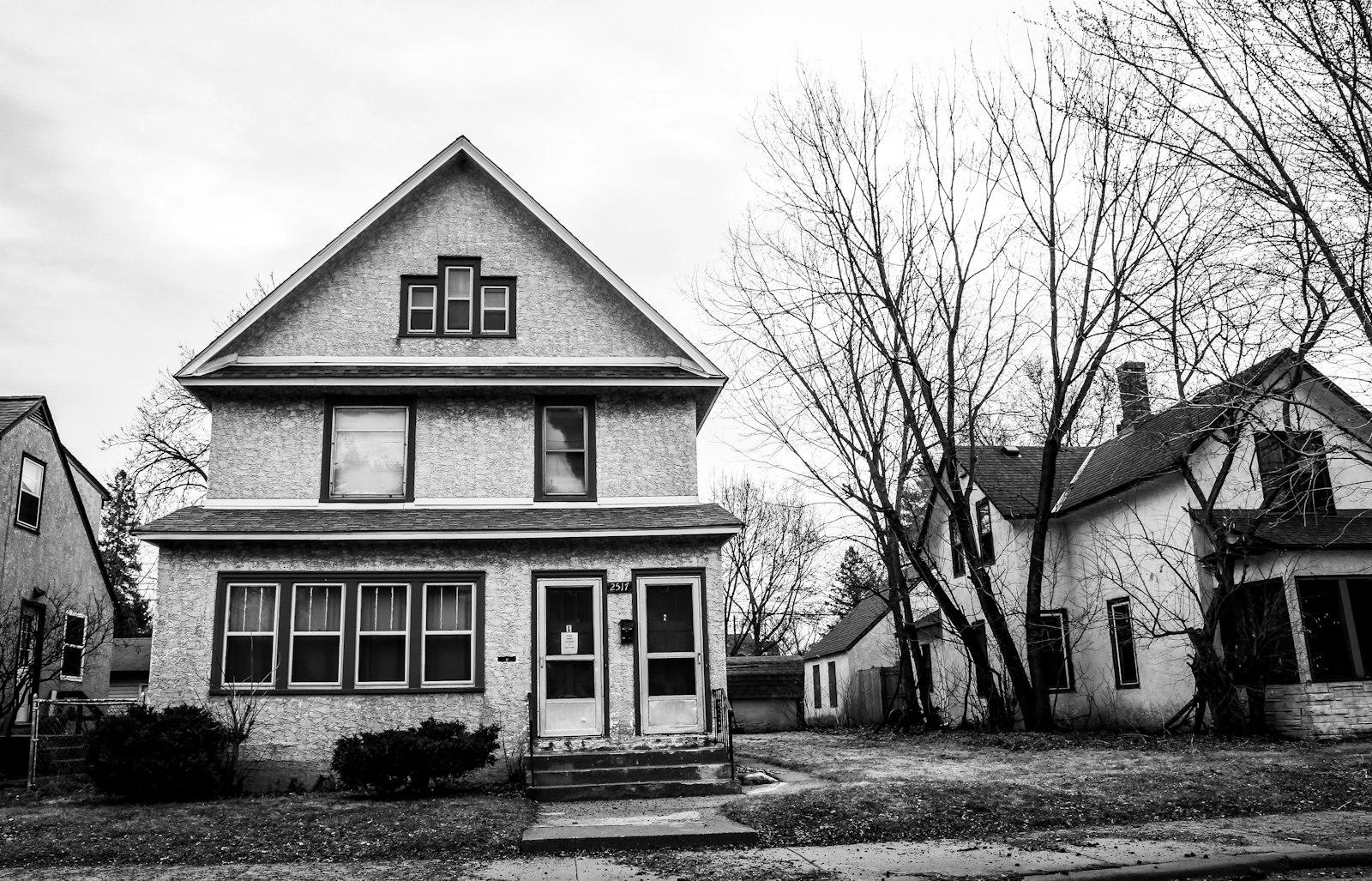
Severe thunderstorms, derechos, ice, and emerald ash borer all threaten Minneapolis trees. Here is how Twin Cities storms cause damage and how to prepare.
How Minneapolis Storms Damage Trees, and How to Prepare
The Twin Cities enjoy a rich urban canopy, but that same abundance of mature trees meets some of the most violent weather in the Upper Midwest. Severe thunderstorms, straight-line derechos, tornadoes, and winter ice each stress trees differently, and the emerald ash borer has left thousands of standing ashes brittle and ready to fail. For homeowners across Minneapolis, understanding these threats is the first step toward protecting your property.
Severe Thunderstorms, Derechos, and Tornadoes
Summer is the busy season for tree failures here. Powerful thunderstorm complexes can produce straight-line winds that rival a tornado over a wide area, and true derechos have swept across Minnesota with damaging gusts hundreds of miles long. These winds snap trunks, tear off large limbs, and uproot trees on saturated ground. The National Weather Service office serving the Twin Cities issues frequent severe warnings through the summer, and a tree already weakened by decay or poor structure is the one most likely to come down when a line of storms rolls through.
Ice and Heavy Snow
Winter brings a slower but equally destructive load. Freezing rain coats limbs in ice, adding weight everywhere at once and splitting weak branch unions, while heavy wet snow overwhelms broad canopies. Ice storms also bring down limbs onto lines, and Xcel Energy outages across the metro frequently trace back to trees and branches falling on the grid.
Emerald Ash Borer and Standing Deadwood
Minneapolis has been hit hard by the emerald ash borer, which kills ash trees and leaves them dry and brittle within a few years. A dead ash sheds large limbs without warning and can fail entirely in even a modest storm. If you have ash trees on your property, they deserve close attention: an untreated, declining ash near your home or driveway is a hazard waiting for the next gust.
Preparing Your Trees Before the Season
The best preparation happens on calm, dry days, well ahead of any forecast:
Have mature trees inspected for lean, cracks, cavities, and dead limbs
Identify ash trees and decide whether to treat, monitor, or remove them
Prune deadwood and thin dense canopies so wind and snow load pass through
Share this article:
Need help with this right now?
We respond 24/7. Call (866) 320-7003 or start with the page that matches your situation.
Service in your area
Related services
Related Articles

Renters Insurance and Fallen Tree Damage Explained
When a tree falls on your rental, who pays for what? Here is how renters insurance, your landlord's policy, and the claims process typically fit together after a storm.
Emergency vs. Scheduled Tree Removal Explained
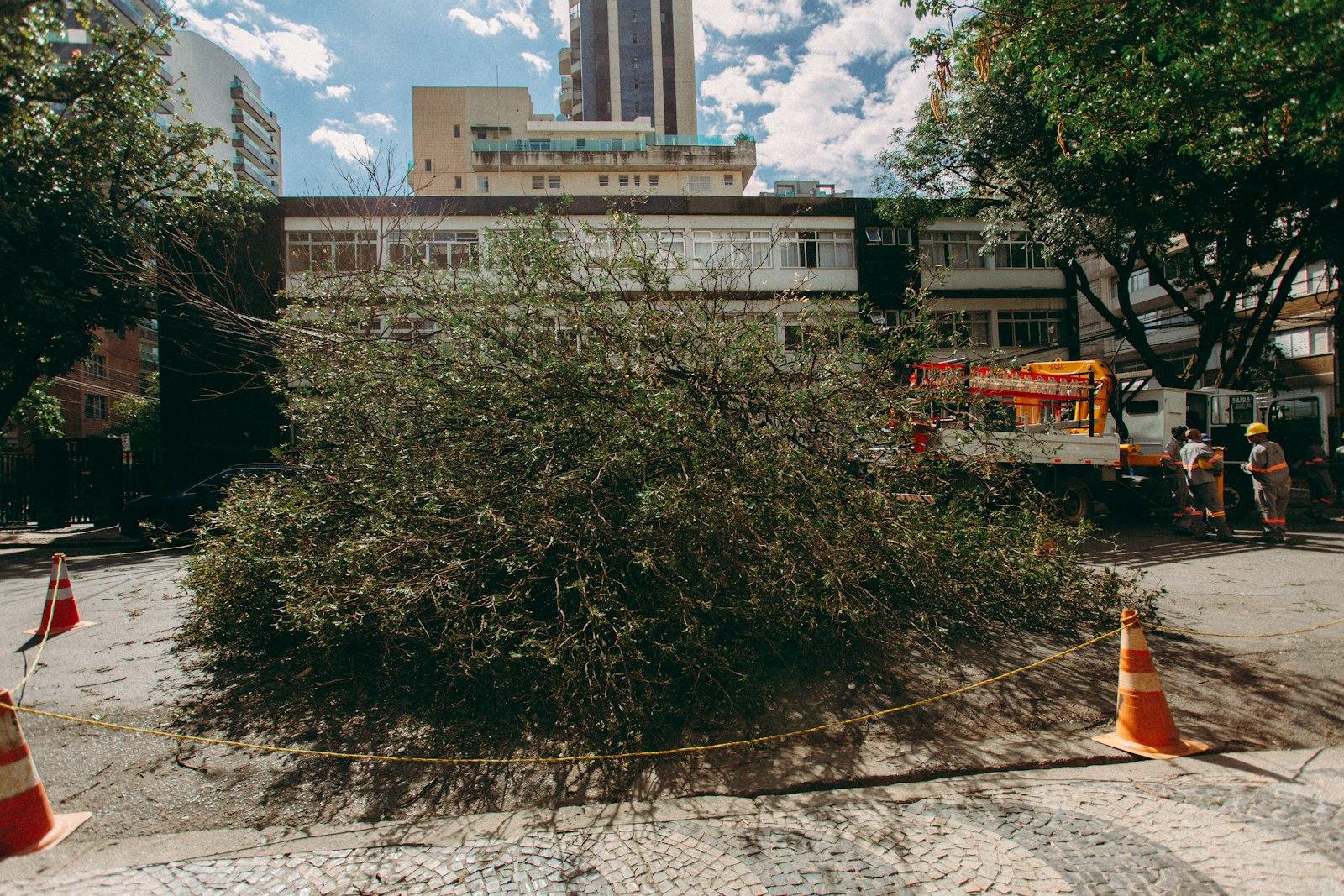
A tree on your roof and a dead tree out back are two very different jobs. Here is how to tell whether you need emergency response or a scheduled removal.
Buffalo Lake-Effect Tree Damage: An Erie County Guide
Need Emergency Tree Service?
Our team of certified arborists is available 24/7 to handle any tree emergency.