Hurricane Season Tree Prep Checklist

By Tree Emergency Expert
Tree Emergency Expert
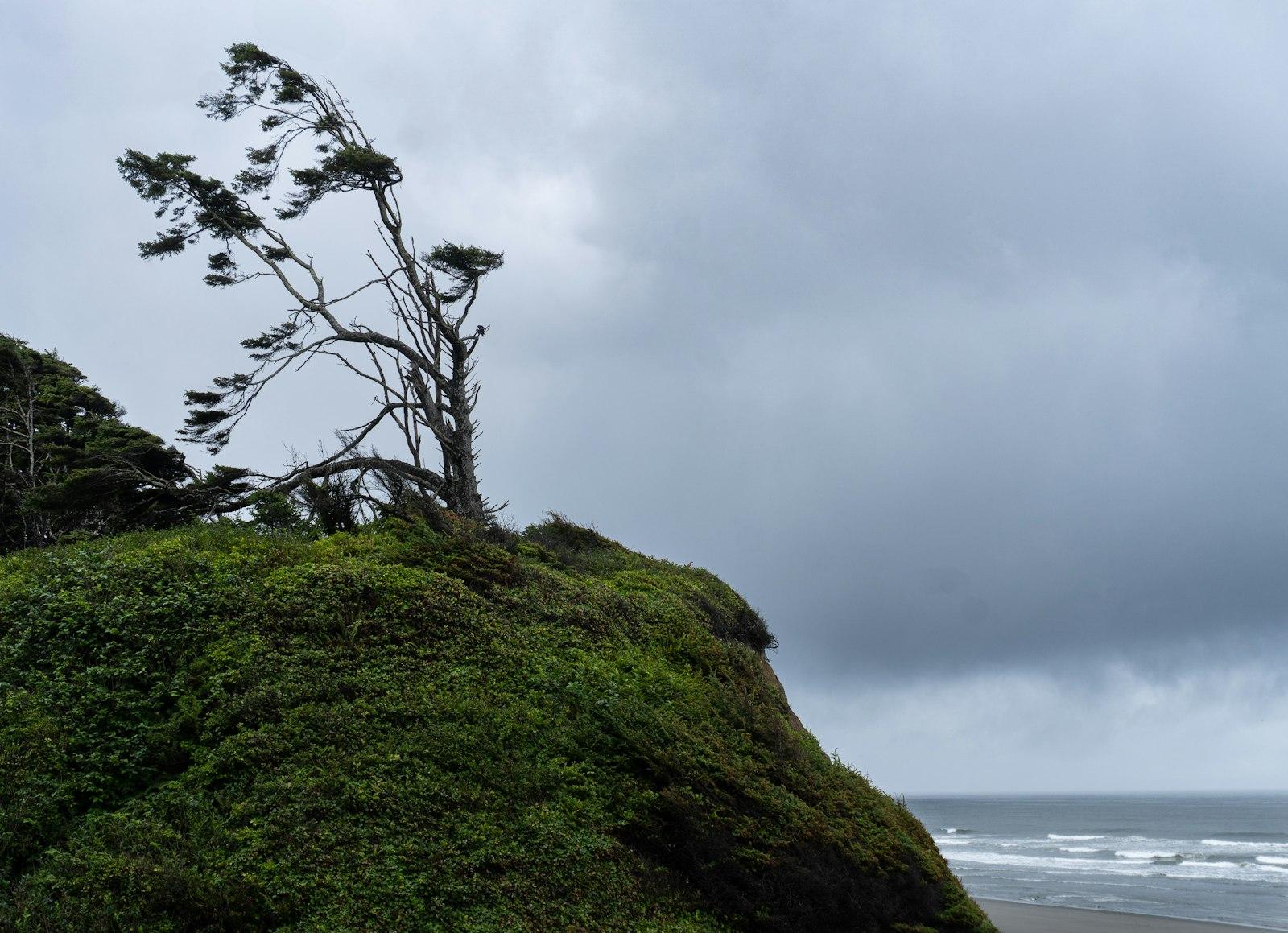
High winds find weak trees first. Use this hurricane season checklist to prune, inspect, and clear coastal wind hazards before the next tropical storm.
Get Your Trees Ready Before the Wind Arrives
Hurricane season brings the one force trees handle worst: sustained, high-velocity wind, often paired with saturated ground. When soil is soaked by tropical rain, even healthy roots lose their grip, and a tree that stood for decades can uproot in a single gust. The time to prepare is now, during calm weather, not when a named storm is already on the forecast and every crew in the region is booked. Use this checklist to get storm-ready.
Understand What Wind Does to a Tree
Hurricane-force wind attacks a tree differently than a summer thunderstorm. It pushes steadily, rocking the root plate loose, and it drives debris that can strip and snap branches.
Dense, unpruned canopies act like sails and catch far more wind
Saturated soil loosens roots and makes uprooting far more likely
Coastal salt spray and wind-blown sand stress and weaken trees over time
Tall, top-heavy trees and shallow-rooted species fail first
Properties near the coast face the worst of it, where nothing slows the wind before it reaches your yard.
Prune for Wind Before the Season Peaks
A well-pruned tree lets wind pass through instead of catching it. This is not about topping or heavy cutting, which weakens a tree, but about thoughtful thinning by a professional.
Thin the canopy so wind flows through rather than pushing the whole crown
Remove dead, cracked, and hanging limbs that become projectiles in a gust
Clear branches overhanging the roof, driveway, and power lines
Raise low limbs that could catch wind and torque the trunk
Done right, structural pruning dramatically lowers the odds of a limb or whole tree failing when the wind peaks.
Inspect for the Trees Most Likely to Fail
Walk your property and look for the defects that turn into failures under wind and wet ground.
A lean that is new or worsening, especially with cracked or heaving soil
Exposed, cut, or rotting roots that weaken the tree's anchor
Deep trunk cracks, cavities, or shelf fungus signaling decay
Share this article:
Need help with this right now?
We respond 24/7. Call (866) 320-7003 or start with the page that matches your situation.
Related Articles
How to Hire a Licensed, Insured Arborist
Hiring the wrong tree company can cost you dearly. Here is how to verify credentials, insurance, and certification so you hire a safe, qualified arborist.
Minneapolis Storm Tree Damage: A Twin Cities Guide
Severe thunderstorms, derechos, ice, and emerald ash borer all threaten Minneapolis trees. Here is how Twin Cities storms cause damage and how to prepare.

Renters Insurance and Fallen Tree Damage Explained
Need Emergency Tree Service?
Our team of certified arborists is available 24/7 to handle any tree emergency.