How to Appeal a Denied Tree Damage Insurance Claim

By Tree Emergency Expert
Tree Emergency Expert

A denied tree damage claim is not always the final word. Here is how to read the denial, gather stronger evidence, and file a clear, well-supported appeal with your insurer.
When Your Tree Damage Claim Is Denied
A denial can feel like the end of the road, but it is often just one step in a longer conversation with your insurer. Claims get rejected for many reasons — some fixable, some not — and a calm, well-documented appeal frequently changes the outcome. Coverage varies by policy, so nothing here guarantees a reversal. What a strong appeal does is make sure the decision is based on complete, accurate information rather than a gap in the file.
Step 1: Read the Denial Letter Closely
Your insurer must tell you why a claim was denied, and the specific reason shapes your entire response. Common grounds include a maintenance or neglect exclusion (the tree was already dead or diseased), damage attributed to flooding rather than wind, work that began before the adjuster inspected, or costs that exceed a policy sub-limit. Highlight the exact clause cited. If the wording is unclear, call your carrier and ask them to explain the basis in plain terms, then write down who you spoke with and when.
Step 2: Gather Evidence That Answers the Reason
An effective appeal responds directly to the stated grounds. If the denial claims the tree was unhealthy, provide photos of a sound trunk and canopy, or an arborist's assessment. If cause of loss is disputed, line up weather records and storm reports for the date. Revisiting the tree damage insurance process helps you see where the original claim may have fallen short and what additional proof will close the gap. Independent repair and removal estimates in writing add weight, especially when they itemize scope the first estimate missed.
Step 3: Rebuild Your Documentation
The most persuasive appeals are built on organized evidence. Assemble your original photos, any new ones, receipts for emergency mitigation, and a clear timeline of events. A consistent emergency tree documentation file — dated images, weather notes, and itemized costs — gives an adjuster a complete picture and removes easy reasons to say no. Keep everything in one folder, backed up to the cloud, so you can share it quickly.
Step 4: Write a Clear Appeal Letter
Keep your letter factual and specific. Reference your claim number, state that you are formally appealing, cite the reason given, and explain point by point why the evidence supports coverage. Attach your documentation and list each item. Request a re-inspection if the original assessment was done remotely or in a hurry. Send the appeal in writing and keep a copy. The offers neutral guidance on your rights and the steps available when you disagree with a decision.
Share this article:
Need help with this right now?
We respond 24/7. Call (866) 320-7003 or start with the page that matches your situation.
Related Articles
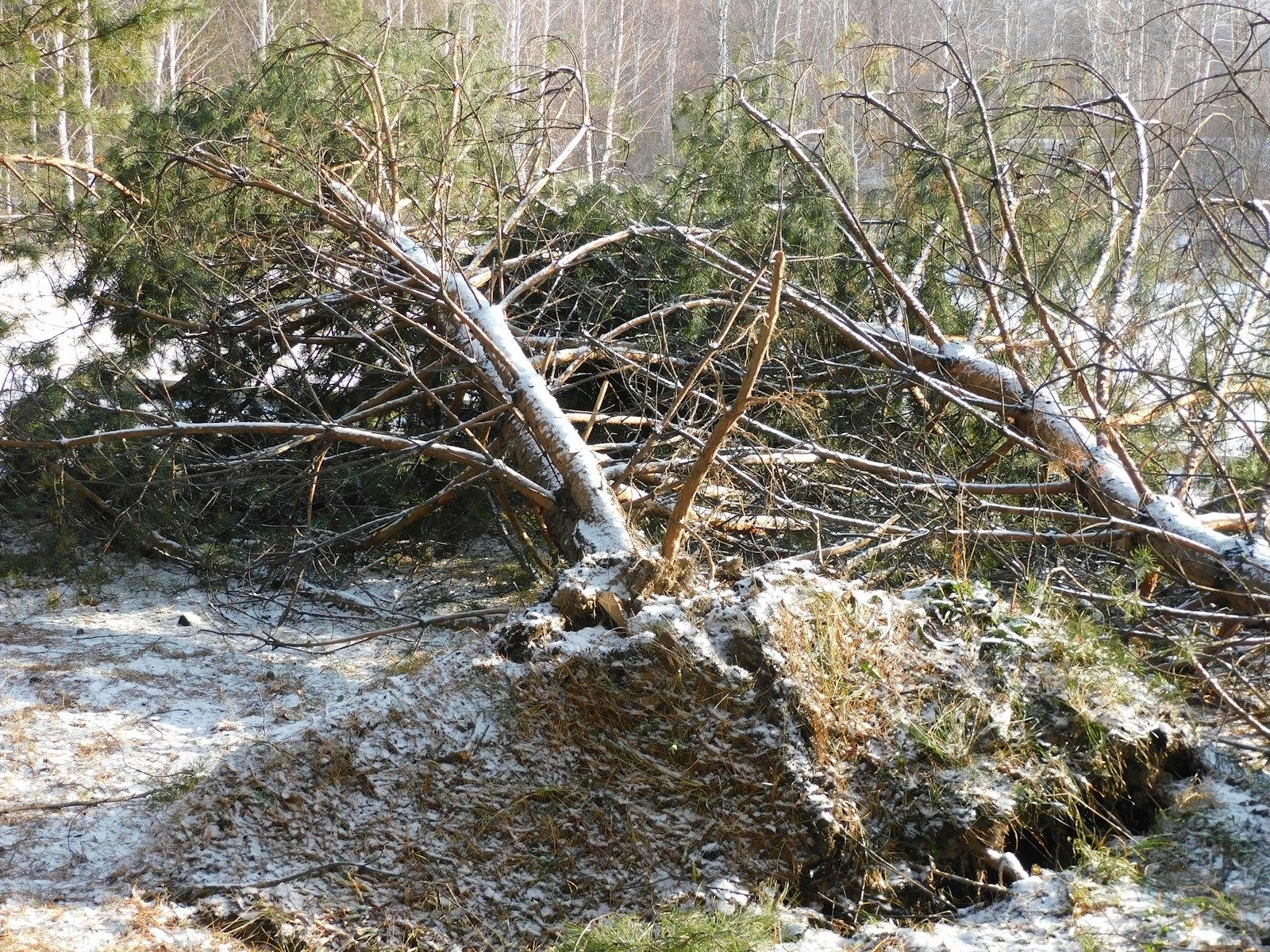
What to Do With Storm Debris and Fallen Wood
Storms leave behind branches, logs, and tangled debris. Here is how to handle fallen wood safely, what to leave to professionals, and how to dispose of it.

Worcester Storm Tree Damage: A County Guide
Ice, heavy wet snow, and wind each threaten Worcester County trees differently. Here is how central Massachusetts storms cause damage and how to prepare.

Will a Tree Damage Claim Raise My Premium?
Need Emergency Tree Service?
Our team of certified arborists is available 24/7 to handle any tree emergency.