How Crane Removal Protects Your Roof

By Tree Emergency Expert
Tree Emergency Expert
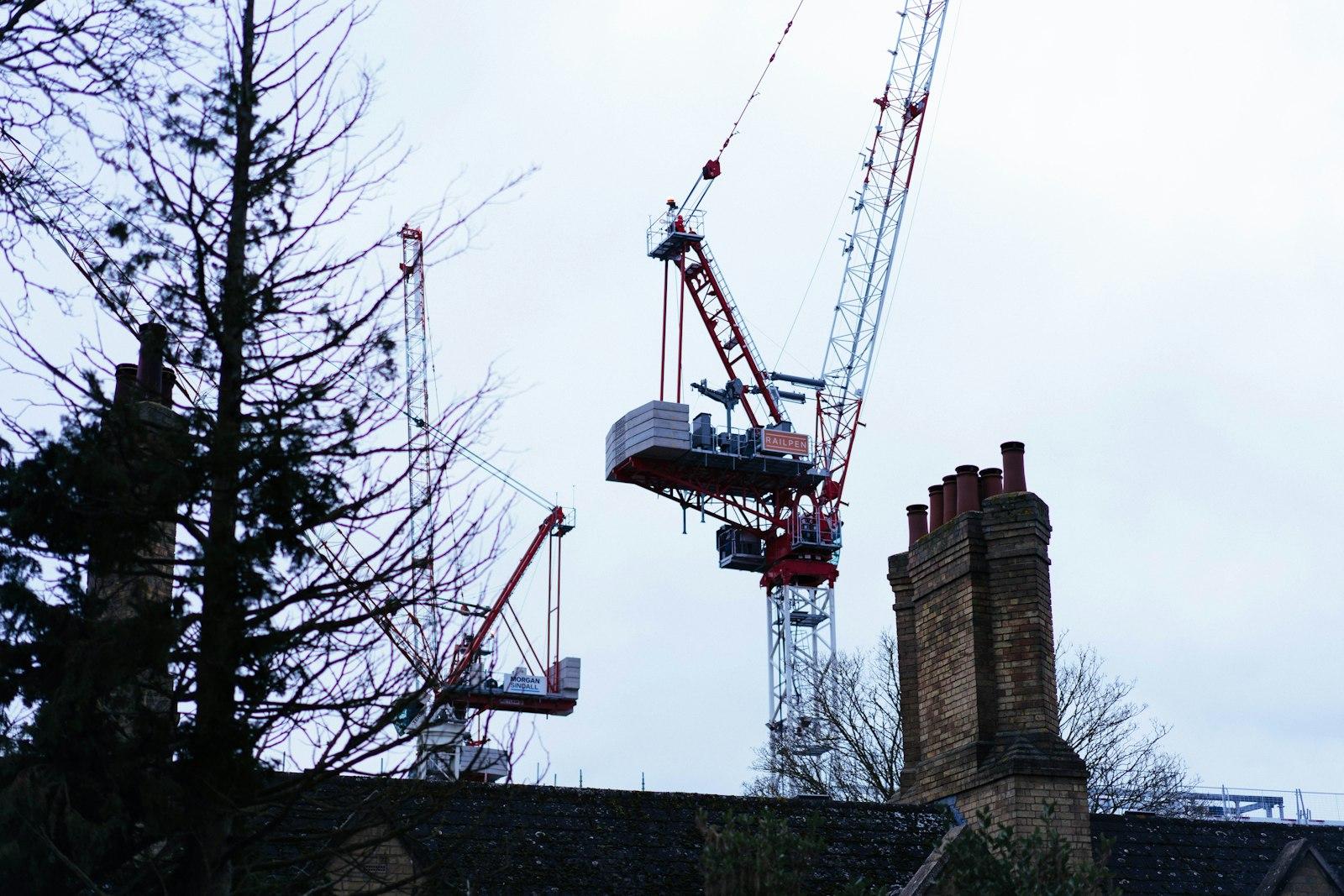
When a tree looms over or rests on your house, a crane lets crews lift it away instead of cutting it under load. Here is how crane removal protects your roof.
When a large tree is resting on your house or towering directly over it, how the crew removes it matters as much as whether they do. Cutting a heavy tree in place, letting sections drop and hoping they land clear, is exactly how a bad day gets worse. A crane changes the equation entirely. Instead of gravity deciding where the wood goes, the crane decides. Here is how crane removal protects your roof, and when it is the right tool.
The Problem With Cutting a Tree in Place
A mature tree limb can weigh hundreds of pounds. When a tree is already on or above a roof, every cut made without support sends that weight somewhere, usually straight down. On a compromised roof, a single dropped section can punch through decking, crack rafters, or drive the existing damage deeper into the home.
Worse, a tree lying on a structure is under tension and compression. Cut it in the wrong order and it can roll, spring, or slide further into the house. Conventional removal on a home is a series of these gambles. A crane removes the gambling.
How a Crane Removal Actually Works
The process is deliberate and engineered around the weight of each piece.
The crew sets the crane on stable ground and calculates the load each section will carry
A climber or bucket operator attaches rigging to a limb or trunk section before any cut is made
The crane takes up the weight so the wood is fully supported and under tension from above, not resting on your roof
The section is cut free and lifted straight up and away, then swung to a clear landing zone and lowered gently
At no point does a heavy piece fall onto the structure. The tree comes off in controlled lifts, in an order the crew chooses, not the order gravity would force.
Why This Protects Your Roof and More
The benefits go beyond avoiding new punctures.
No dropped weight on already-weakened decking and rafters
Fewer people in the danger zone, since crews are not standing beneath loads waiting to catch them
Faster removal, which limits how long your home sits exposed to weather
Precision near obstacles like power lines, pools, gardens, and neighboring structures
Share this article:
Need help with this right now?
We respond 24/7. Call (866) 320-7003 or start with the page that matches your situation.
Related Articles
Tree Debris Removal Limits in Homeowners Policies, Explained
Many homeowners policies treat tree debris removal as a separate, capped amount. Here is how those limits commonly work and how to read your own policy.

Storm Tree Guide for Aquidneck Island and Jamestown, RI
On Aquidneck Island and Jamestown, storms bring salt, wind, and bridge limits. Here is how island homeowners can plan for tree damage before the next storm.
High Wind Watch vs. Warning: What Each Means for Your Trees
Need Emergency Tree Service?
Our team of certified arborists is available 24/7 to handle any tree emergency.