High Wind Watch vs. Warning: What Each Means for Your Trees

By Tree Emergency Expert
Tree Emergency Expert
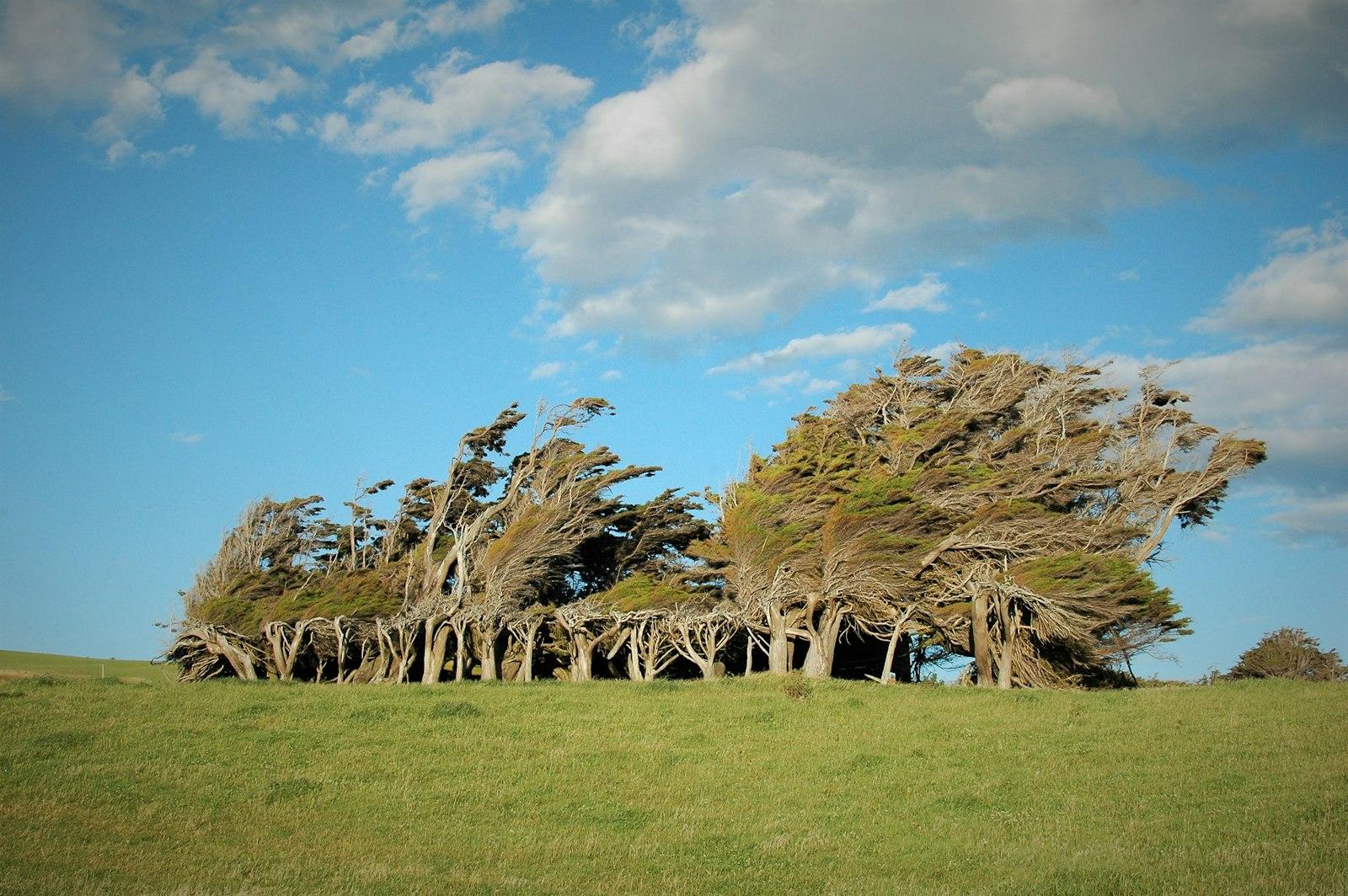
Wind Advisory, High Wind Watch, High Wind Warning: each alert signals a different tree risk. Here is what they mean and how to prepare your yard and home.
When a wind alert pops up on your phone, the wording matters. The National Weather Service uses three common terms for non-thunderstorm wind: Wind Advisory, High Wind Watch, and High Wind Warning. Each one says something different about timing, certainty, and how much stress your trees are likely to face. As certified arborists who work storm damage across the Northeast, here is how we read them and what we recommend at each level.
What the Three Alerts Mean
Criteria are set by each local NWS office and can differ by region, so check the alert text from your office at weather.gov. In general terms:
Wind Advisory: Strong winds are expected or occurring, but below warning level. In much of the Northeast, that typically means sustained winds around 31 to 39 mph or gusts roughly 46 to 57 mph.
High Wind Watch: Conditions are favorable for high-wind-warning-level winds, usually a day or two out. It is a heads-up, not a certainty.
High Wind Warning: Damaging winds are expected or happening. In the Northeast, that generally means sustained winds of 40 mph or more for an hour or longer, or gusts of 58 mph or more.
Thunderstorm winds are handled separately through Severe Thunderstorm Warnings, which can bring sudden, localized gusts on days with no wind alert.
What Each Alert Means for Trees
Wind Advisory
Healthy, well-rooted trees usually ride out advisory-level wind. The risk is concentrated in trees that already have problems: dead branches, cracked limbs, decayed trunks, or roots weakened by construction or saturated soil. Expect small branches and deadwood to come down, and the occasional weak tree to fail.
High Wind Watch
Treat a watch as your preparation window. You have time to look at your trees in daylight, move vehicles, and call for an inspection of anything that worries you before crews get busy.
High Wind Warning
At warning level, even sound trees can lose large limbs, and trees in wet soil or with leaves still on can uproot entirely. Power outages are common because limbs take down lines. This is when trees land on houses, cars, and driveways.
Before the Wind: Use the Watch Window
Share this article:
Need help with this right now?
We respond 24/7. Call (866) 320-7003 or start with the page that matches your situation.
Related Articles
Tree Blocking Your Driveway? What to Do When You're Trapped
A tree down across your driveway can trap you at home. How to check for power lines, handle medical needs, and decide between cutting a path and full removal.

Filing an Amica Tree Damage Claim: A Step-by-Step Guide
A well-documented claim helps after a tree falls. How to stay safe, document damage, prevent further loss, and work with your adjuster if Amica insures you.
Southern Rhode Island Coastal Storm Tree Damage Guide
Need Emergency Tree Service?
Our team of certified arborists is available 24/7 to handle any tree emergency.