Does Insurance Cover Tree Removal From a Driveway?

By Tree Emergency Expert
Tree Emergency Expert
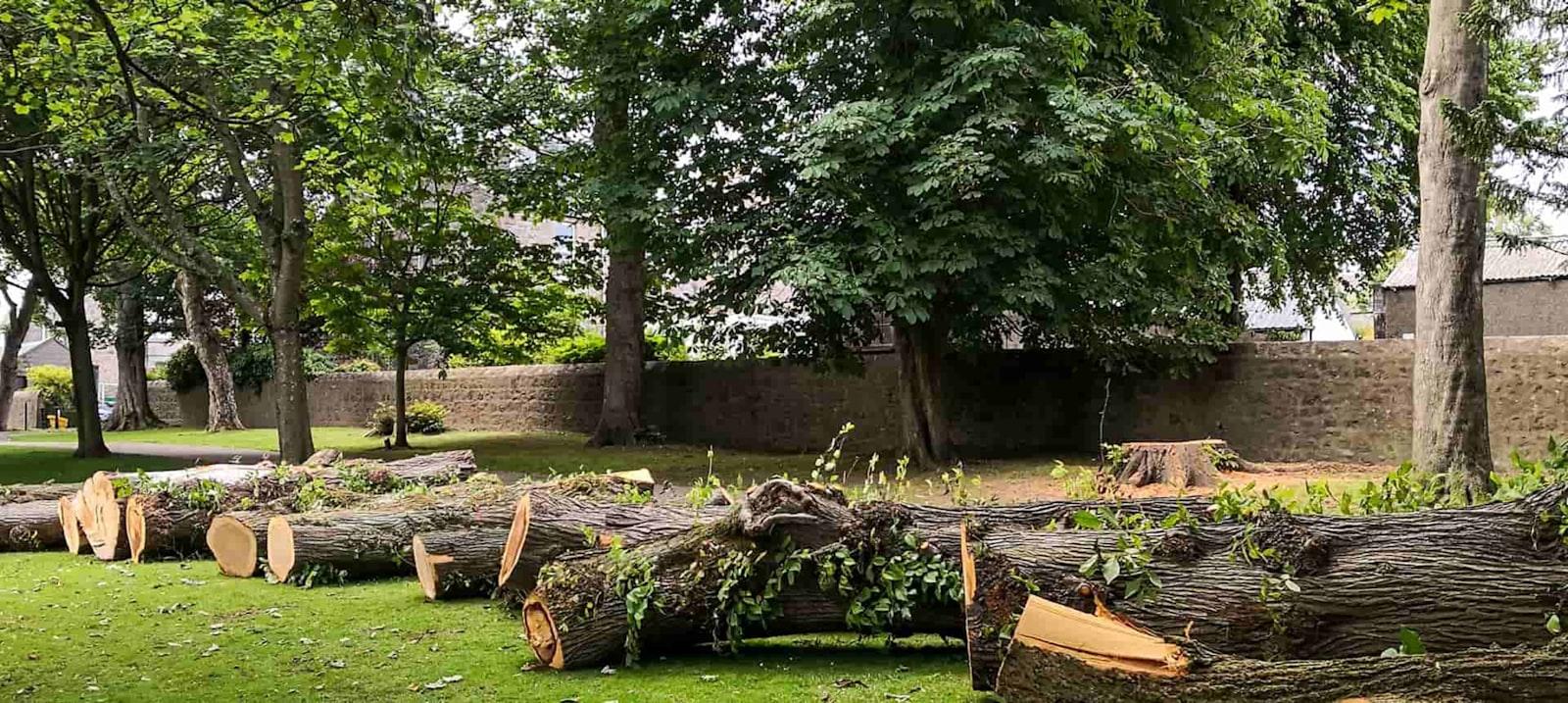
A tree across your driveway blocks access and looks like an emergency, but coverage depends on what it actually damaged. Here is how insurers usually see it.
Does Homeowners Insurance Pay to Clear Your Driveway?
A tree down across your driveway feels like a clear emergency. It blocks your cars, cuts off access, and needs to go now. But whether your homeowners policy pays for the removal is more nuanced than most people expect, and it usually comes down to one question: what did the tree actually damage? Coverage varies by policy, so use this as a general guide and confirm the specifics with your carrier.
The Key Test: Did It Damage a Covered Structure?
Homeowners policies generally tie tree-removal coverage to damage of an insured structure, not to the inconvenience of a blocked path. This is the distinction that decides most driveway cases:
If the tree struck your home, garage, or a covered structure on its way down, removal is more likely to be part of a covered tree damage claim.
If the tree fell and only lies across the driveway or lawn, damaging nothing insured, many policies will not pay to remove it, treating the cleanup as a maintenance cost.
A driveway surface itself sometimes counts as "other structures" coverage and sometimes does not, depending on the policy wording, so the presence of cracked or lifted pavement can change the answer.
The Blocked-Access Exception
Some policies include a narrow provision for removing a tree that blocks a driveway or a ramp designed to assist the disabled, even when no structure was damaged. This coverage, where it exists, is usually capped at a modest amount per tree. It is worth asking your carrier directly whether your policy has such a clause, because it can turn an otherwise excluded cleanup into a partial reimbursement.
Watch the Sublimits
Even when removal is covered, the payout is frequently capped. Debris removal limits of a few hundred dollars per tree are common, sometimes with an overall maximum for a single storm event. If a large tree or several trees come down, the real cost of removal can exceed those caps, leaving you responsible for the difference. Confirm your sublimits and deductible before you assume a full cleanup is covered.
What About the Car in the Driveway?
Here is a common surprise. If the falling tree crushed a vehicle parked in the driveway, that damage is generally handled by your homeowners policy at all. It usually falls under the comprehensive portion of your auto insurance instead. If a tree has landed on your car, our guide to what to do when a walks through the steps and which policy to call. Two separate claims, homeowners and auto, may be in play at the same time.
Share this article:
Need help with this right now?
We respond 24/7. Call (866) 320-7003 or start with the page that matches your situation.
Related Articles

Why October Snow Breaks So Many Trees Still in Leaf
Early wet snow on trees still in full leaf can break more limbs than a big winter storm. Here is why it happens, what to do, and when to call an arborist.
Drought-Stressed Trees and the Hidden Failure Risk
Drought does lasting damage to trees, raising the risk of limb drop and sudden failure. Learn the warning signs and how to reduce the danger to your home.
Tornado Tree Damage: What Homeowners Should Know
Need Emergency Tree Service?
Our team of certified arborists is available 24/7 to handle any tree emergency.