Do You Need a Permit to Remove a Tree?

By Tree Emergency Expert
Tree Emergency Expert
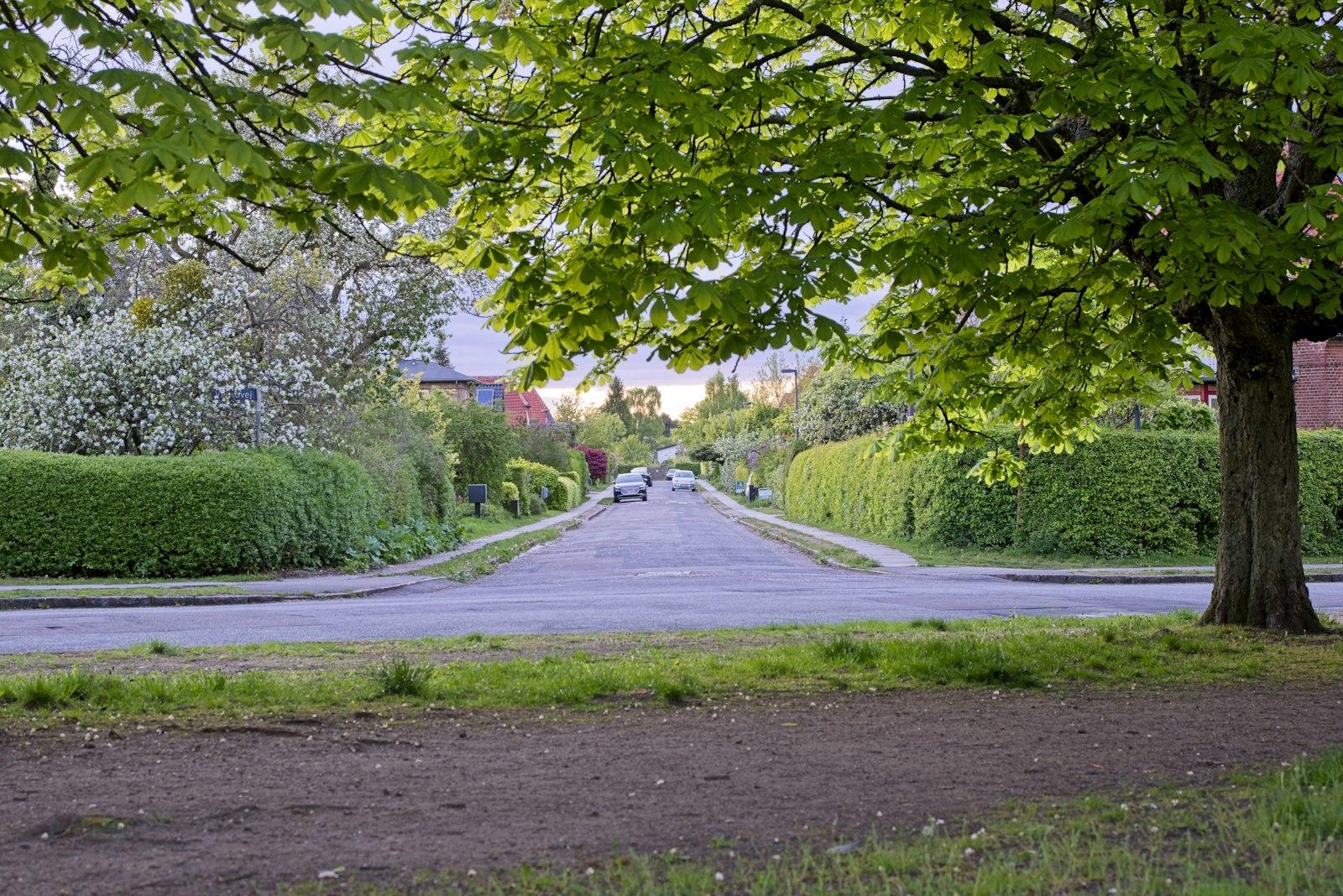
Tree removal permits depend on where you live, the tree, and whether it is an emergency. Here is how to find out if you need one before the saw comes out.
Before you cut down a tree, one question can save you a fine: do you actually need a permit? The answer depends on where you live, how big the tree is, where it stands, and whether it poses an immediate danger. As certified arborists working across many towns and states, we help homeowners navigate these rules every week. Here is what you need to know.
Permit Rules Vary by Location
There is no single national rule. Permit requirements are set locally, and they range from none at all to strict tree ordinances.
Municipal codes: Many cities and towns require a permit to remove trees above a certain trunk diameter, often measured at breast height.
Protected and heritage trees: Some species or exceptionally large, old trees are specifically protected and may require an arborist report before removal.
HOA rules: Homeowners associations frequently add their own approval process on top of city rules.
Wetlands and setbacks: Trees near water, wetlands, or property lines can trigger extra review.
The safest first step is to call your local planning, building, or public works department and ask directly. For general guidance on tree care standards and why healthy trees are protected, the ISA resource Trees Are Good is a helpful starting point.
Trees in the Public Right-of-Way
Trees between the sidewalk and the street, or otherwise in the public right-of-way, usually belong to the municipality even if they are in front of your home. Removing or heavily pruning these almost always requires city approval, and doing it yourself can lead to penalties.
When Emergencies Change the Rules
Most jurisdictions carve out an exception for genuine emergencies. If a tree has fallen, split, or is leaning dangerously toward people or a structure, you generally do not need to wait for a permit to make the situation safe.
Removing an immediate hazard to life or property is typically allowed without prior approval
You may still need to document the condition with photos and, in some areas, notify the city afterward
A professional dangerous tree removal crew can assess the risk and act quickly when a tree is a clear threat
Share this article:
Need help with this right now?
We respond 24/7. Call (866) 320-7003 or start with the page that matches your situation.
Related Articles

Baltimore Storm Tree Damage: A Charm City Guide
Nor'easters, the 2012 derecho, and hurricane remnants each threaten trees differently. Here is how Baltimore storms damage property and how to prepare.
Commercial Property Tree Damage Claims: A Guide
Tree damage to a commercial building carries higher stakes than a home claim. Here is how to document, understand your policy, and file a strong claim.
How to Prevent Storm Damage to Your Trees
Need Emergency Tree Service?
Our team of certified arborists is available 24/7 to handle any tree emergency.