Buffalo Lake-Effect Tree Damage: An Erie County Guide

By Tree Emergency Expert
Tree Emergency Expert
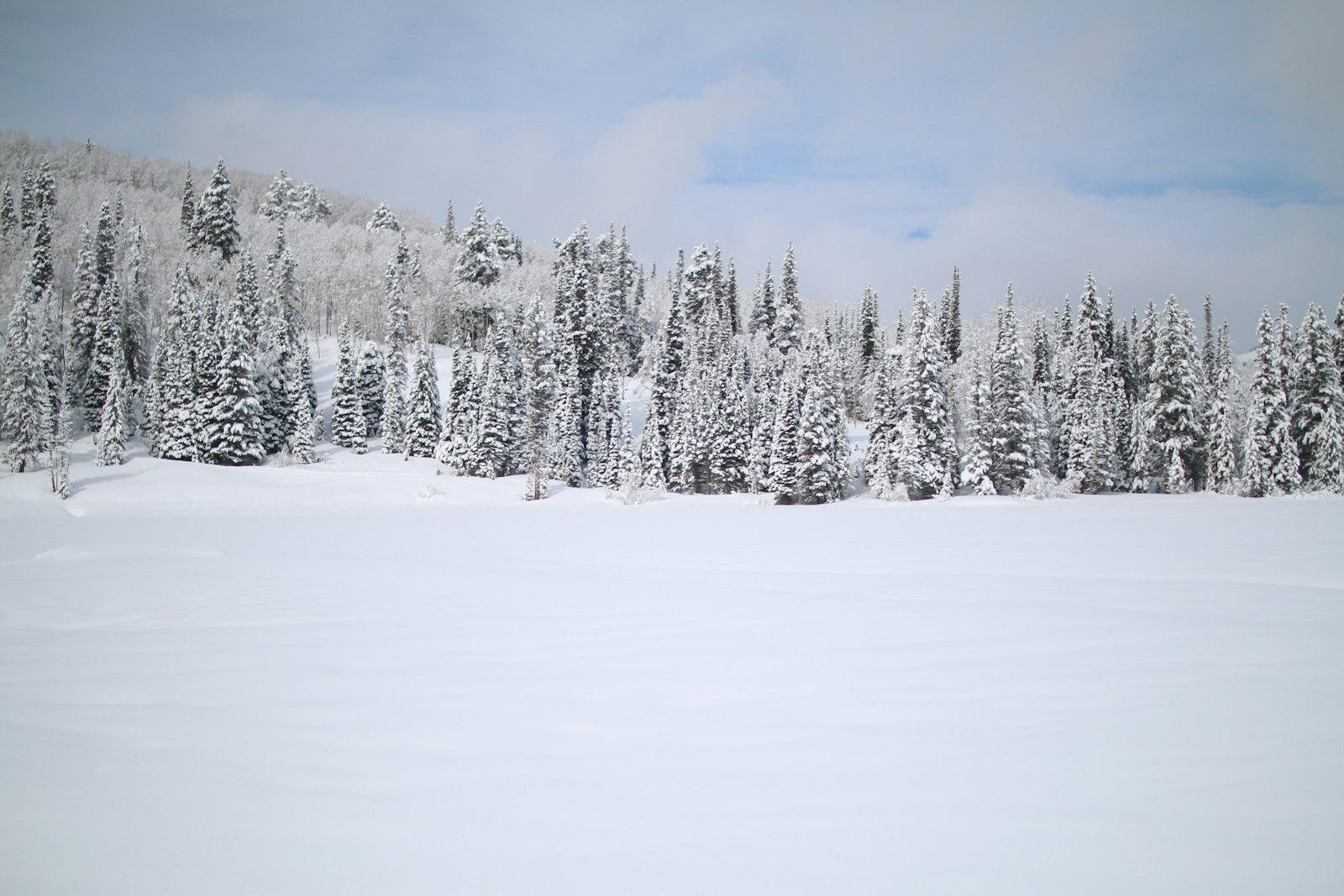
Lake-effect snow, wet snow bands, and ice loading each threaten Buffalo's trees. Here is how Erie County storms cause damage and how to prepare.
How Buffalo's Storms Damage Trees, and How to Prepare
Few places in the country test trees like Erie County. Positioned at the eastern end of Lake Erie, Buffalo sits in the path of intense lake-effect snow bands that can dump several feet in a single event, often while temperatures hover near freezing and the snow is heavy and wet. Add periodic ice loading and gusty wind, and it is easy to see why storm damage to trees is a fact of life here. Understanding how each threat works is the first step toward protecting your home.
Lake-Effect Snow and the November Storms
Lake-effect snow forms when cold air crosses the relatively warm waters of Lake Erie, and the resulting bands can stall over the same neighborhoods for hours. The November 2014 "Snowvember" storm buried the Southtowns under more than six feet of snow, collapsing limbs and whole trees under the weight. The November 2022 storm did much the same, with the National Weather Service office in Buffalo measuring some of the heaviest totals in the region. Because lake-effect snow is often dense and wet, it loads branches far beyond what they can hold, and failures come in waves as the band keeps producing.
Ice Loading and Freezing Rain
Before the ground freezes solid, Erie County also sees freezing rain and mixed events that coat limbs in ice. Ice loading is uniquely destructive because it adds weight everywhere at once, splitting weak branch unions and snapping trunks that would survive plain wind. When ice and heavy snow combine in the same system, even healthy, well-structured trees can fail.
Wind Off the Lake
Gusty winds racing off Lake Erie stress trees that are already carrying snow or ice, and on saturated fall ground, shallow-rooted trees can tip over intact. A tree already leaning, decayed, or full of deadwood is the one most likely to come down, often onto the power drop to your home. National Grid outages across the region frequently trace back to trees and limbs falling on lines.
Preparing Your Trees Before the Season
The best preparation happens on calm days, well ahead of the first big band:
Have mature trees inspected for lean, cracks, cavities, and dead limbs
Prune deadwood and thin dense canopies so snow load can pass through
Clear branches away from the roof, driveway, and your electric service drop
Share this article:
Need help with this right now?
We respond 24/7. Call (866) 320-7003 or start with the page that matches your situation.
Service in your area
Related services
Related Articles

How to Appeal a Denied Tree Damage Insurance Claim
A denied tree damage claim is not always the final word. Here is how to read the denial, gather stronger evidence, and file a clear, well-supported appeal with your insurer.
What to Do With Storm Debris and Fallen Wood
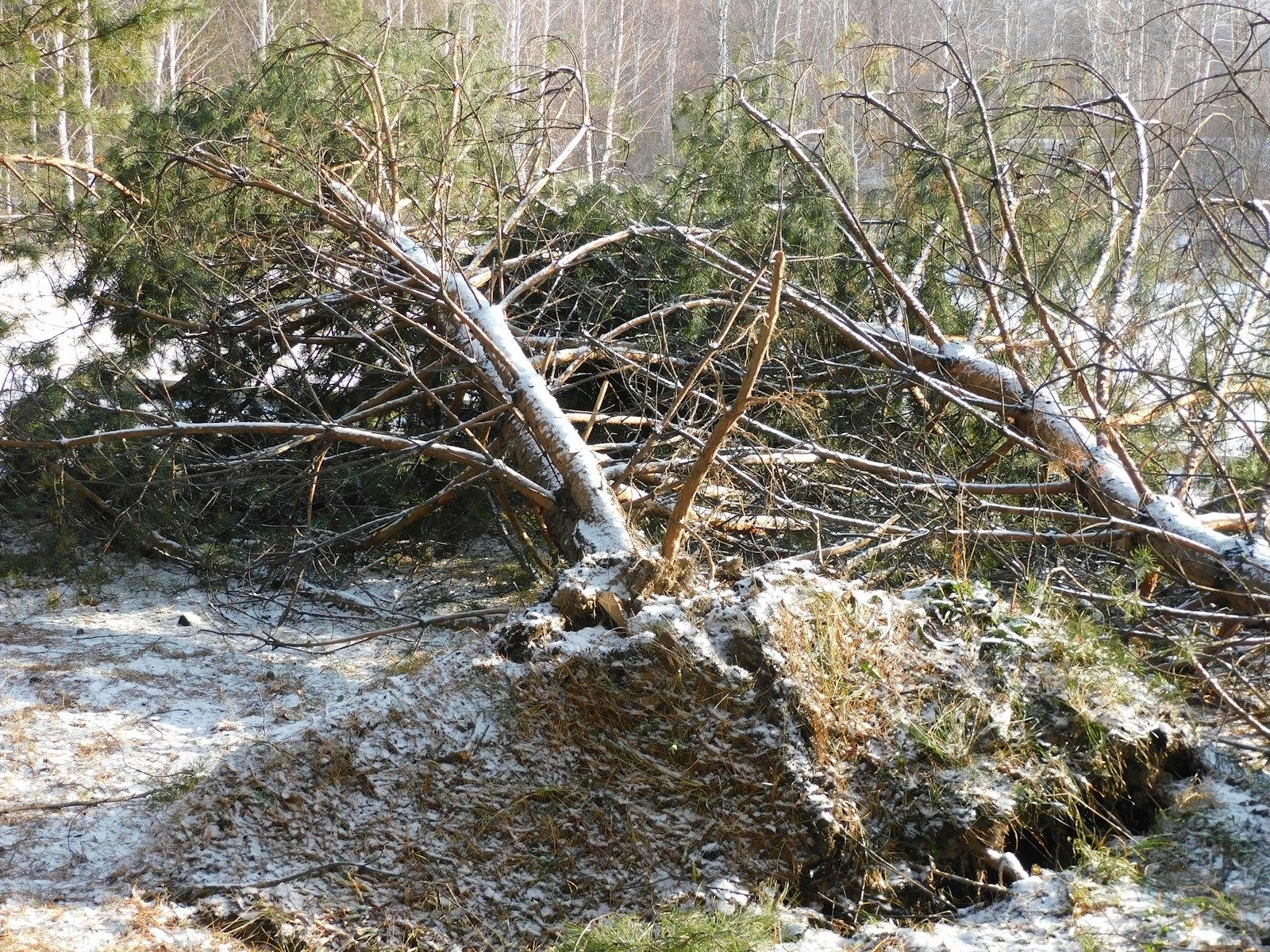
Storms leave behind branches, logs, and tangled debris. Here is how to handle fallen wood safely, what to leave to professionals, and how to dispose of it.

Worcester Storm Tree Damage: A County Guide
Need Emergency Tree Service?
Our team of certified arborists is available 24/7 to handle any tree emergency.