Boston Storm Tree Damage: A Homeowner's Guide

By Tree Emergency Expert
Tree Emergency Expert
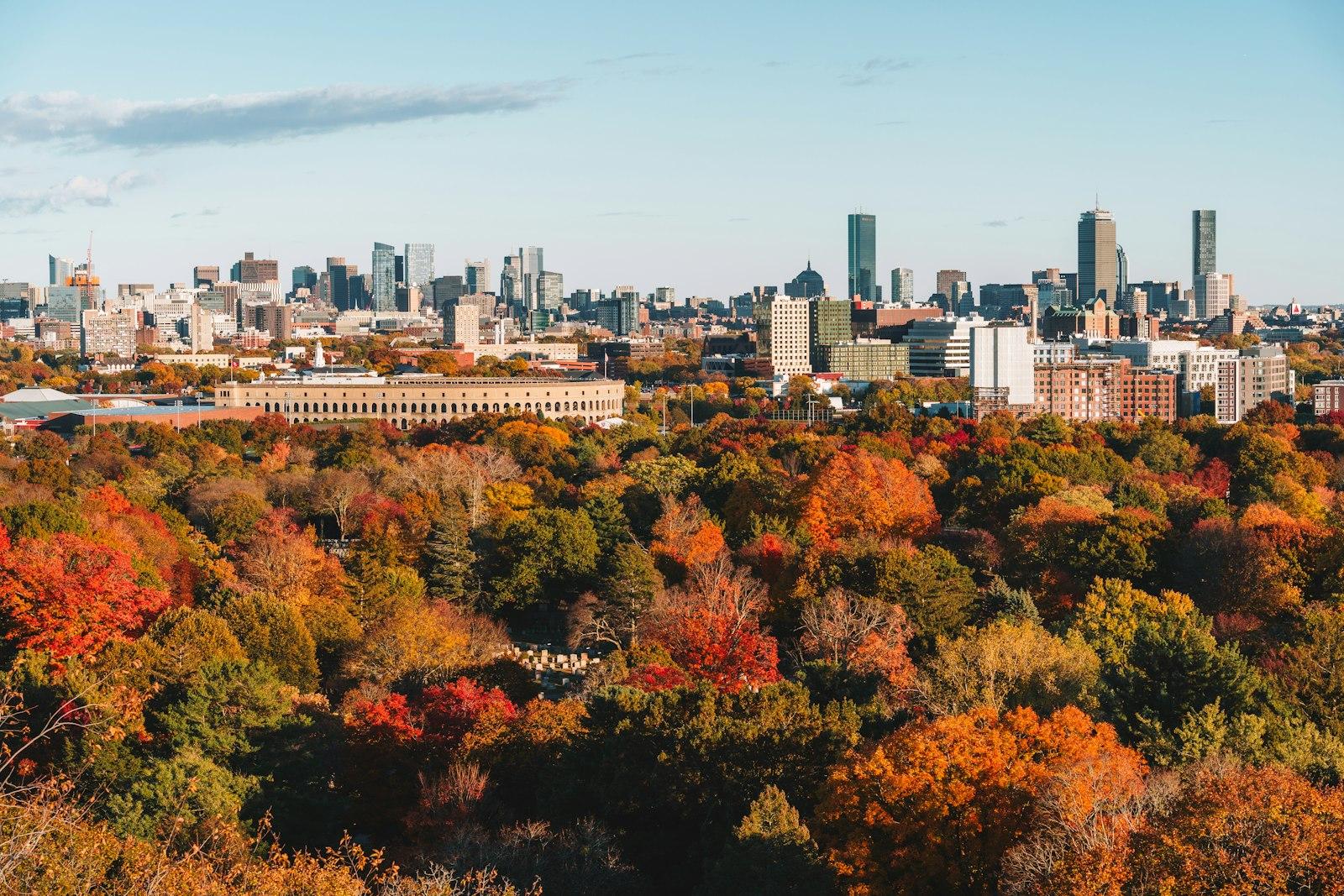
Nor'easters, wet snow, and coastal wind each threaten Boston trees in different ways. Here is how the region's storms damage your property and how to prepare.
How Boston Storms Damage Trees, and How to Prepare
Boston's trees endure a punishing weather calendar. Coastal nor'easters, heavy wet snow, raw ocean wind, and the remnants of tropical systems each stress trees in different ways. For homeowners from West Roxbury and Roslindale to Dorchester and Charlestown, understanding how these storms cause damage is the first step toward protecting your property and knowing when to call for help.
Nor'easters and Saturated Ground
Nor'easters are Boston's signature storm, pushing sustained onshore wind and heavy rain across Eastern Massachusetts, sometimes for a day or more. The rain is often the bigger threat to trees than the gusts. Once the ground is fully saturated, root plates lose their grip, and trees that would shrug off the same wind on dry soil topple over intact. This is why so many failures happen late in a storm rather than at its peak. The big oaks and shallow-rooted maples lining streets in Jamaica Plain, Brighton, and the Emerald Necklace are especially vulnerable when the soil turns to soup.
The National Weather Service office in Norton (NWS BOX) tracks these systems closely, and their wind and coastal flood advisories are worth heeding. When they flag a strong onshore flow behind a wet stretch, tree failures across the metro tend to spike.
Wet Snow: The Underrated Threat
Some of Boston's most destructive tree events were snow, not wind. Early-season and late-season storms drop heavy, wet snow while leaves are still on the trees, and that combination loads branches with enormous weight. The late-October 2011 snowstorm is the textbook example, snapping limbs and toppling trees across New England and cutting power to hundreds of thousands. Wet snow finds every weak union and dead limb and brings them down all at once, often onto the very service drops that feed your house.
Coastal and Summer Wind
Boston's exposure to the Atlantic means tropical remnants and fast-moving summer thunderstorms can each pack a punch. Microbursts, the intense downdrafts from collapsing storms, can produce straight-line winds rivaling a tornado over a few blocks, flattening otherwise healthy trees in seconds. Because they strike with little warning, prevention matters more than reaction. A tree already weakened by decay or a poor branch structure is the one most likely to fail.
Preparing Your Trees Before the Season
You cannot control the weather, but you can reduce your risk. The best preparation happens on calm, dry days, well ahead of any forecast:
Share this article:
Need help with this right now?
We respond 24/7. Call (866) 320-7003 or start with the page that matches your situation.
Service in your area
Related services
Related Articles

How to Appeal a Denied Tree Damage Insurance Claim
A denied tree damage claim is not always the final word. Here is how to read the denial, gather stronger evidence, and file a clear, well-supported appeal with your insurer.
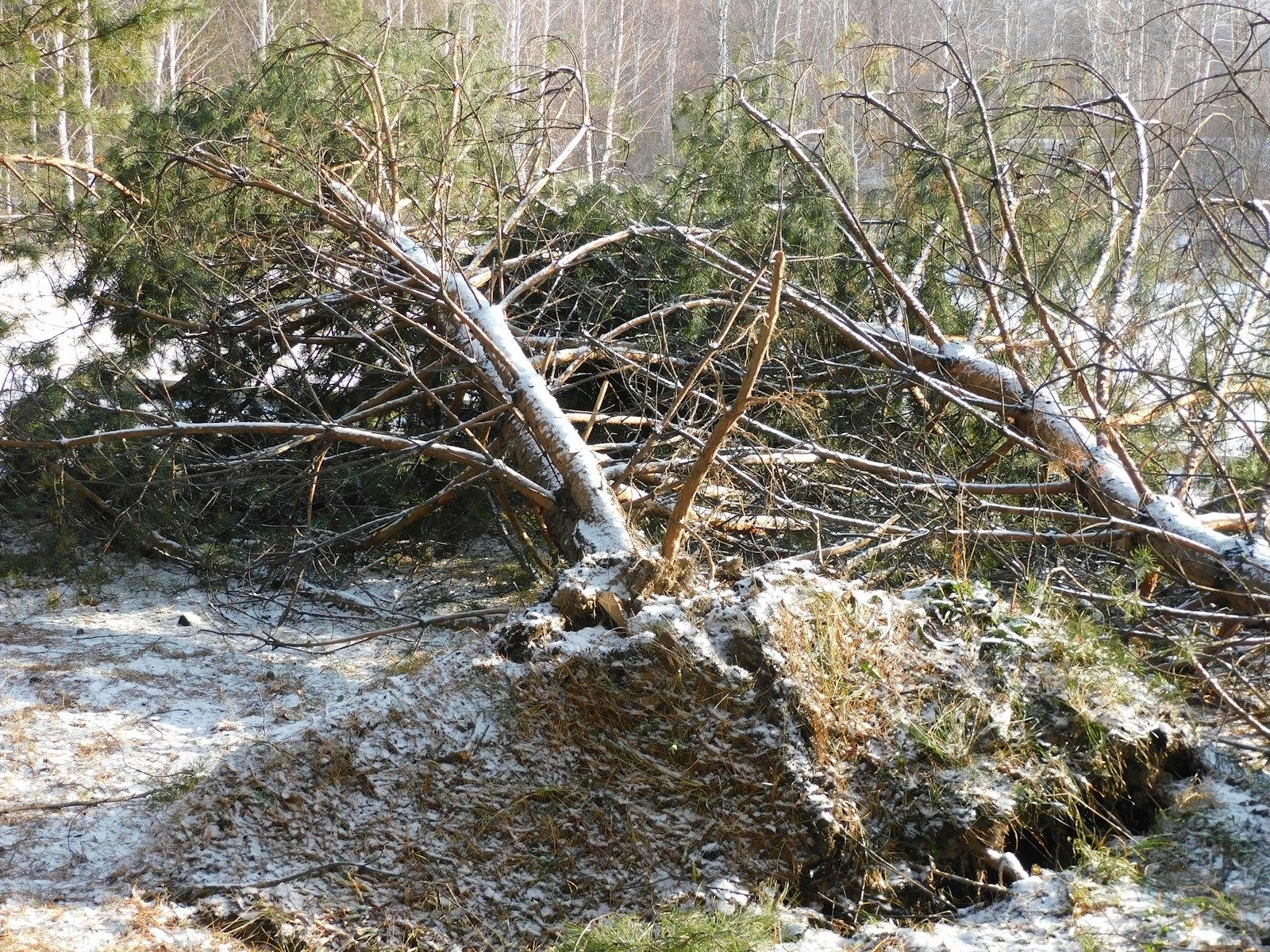
What to Do With Storm Debris and Fallen Wood
Storms leave behind branches, logs, and tangled debris. Here is how to handle fallen wood safely, what to leave to professionals, and how to dispose of it.
Worcester Storm Tree Damage: A County Guide
Need Emergency Tree Service?
Our team of certified arborists is available 24/7 to handle any tree emergency.