Stump Removal After Emergency Tree Work

By Tree Emergency Expert
Tree Emergency Expert
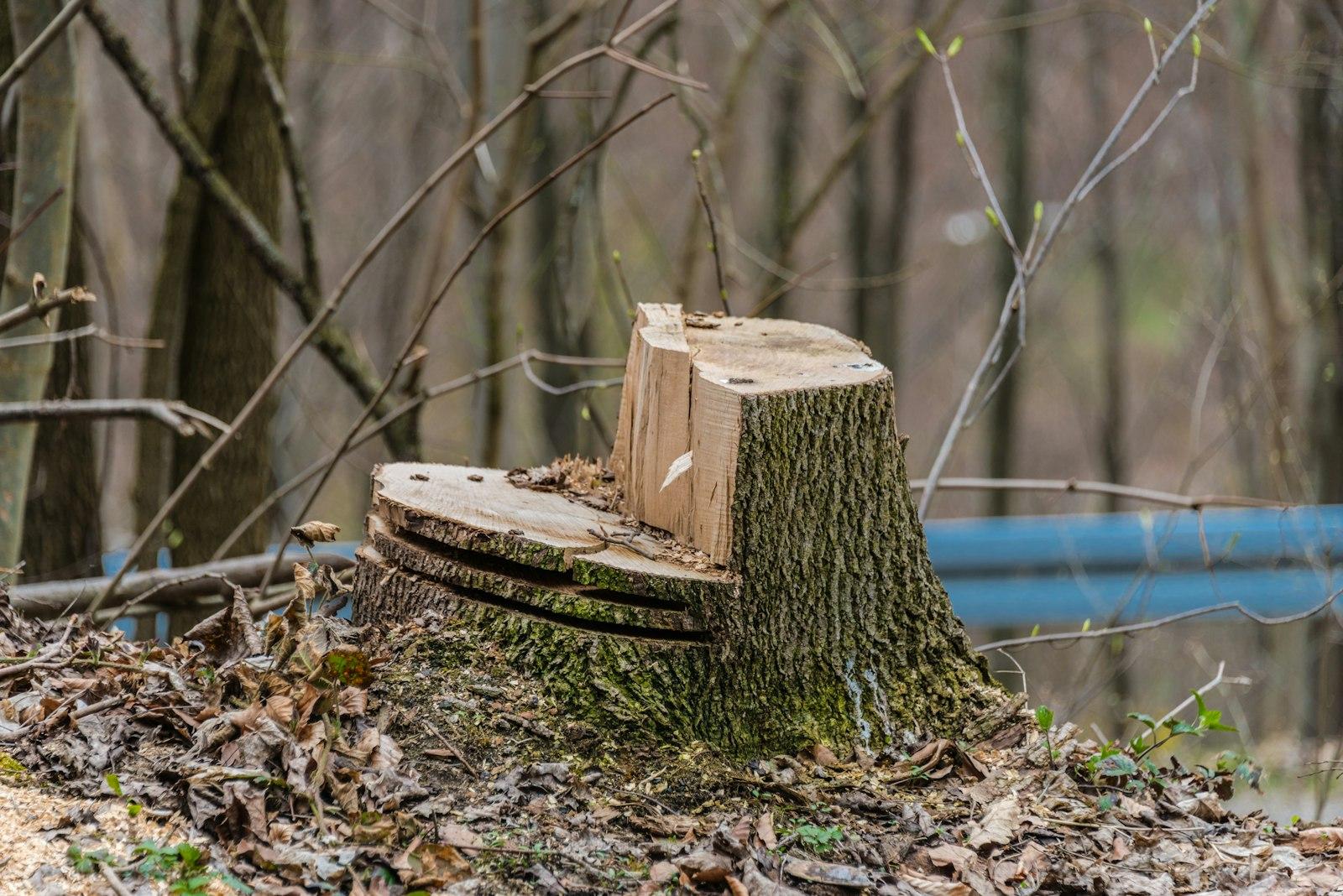
Once the emergency is over and the tree is gone, a stump is left behind. Here is what to know about grinding versus full removal and how to handle it right.
When a tree comes down in a storm, the emergency crew's first priority is getting the trunk and limbs off your home and clearing the immediate hazard. But once the emergency tree removal is finished and the debris is hauled away, one thing is usually left behind: the stump. Homeowners are often surprised that the stump is a separate job, so here is what you need to know about dealing with it the right way.
Why the Stump Is a Separate Step
During an emergency response, the goal is speed and safety, not stump extraction. Crews rig the tree off the structure, cut it into manageable sections, and clear the ground so your property is secure. Grinding or pulling a stump requires different equipment, room to maneuver, and sometimes utility locates before digging. Rolling it into the emergency call would slow down the part that actually matters most, getting the danger away from your home.
Grinding vs. Full Removal
There are two main ways to get rid of a stump, and they are not the same job.
Stump grinding uses a rotating cutting wheel to chip the stump down to 6 to 12 inches below grade. It is faster, less invasive, and less expensive. The grindings can be used to backfill the hole or hauled away.
Full stump removal physically extracts the stump and its major roots. It leaves a larger hole and disturbs more of the yard, but it is the right choice when you plan to build, pave, or replant a tree in the exact same spot.
For most homeowners after a storm, grinding is the practical answer. Full removal makes sense when the site needs to be truly clear for construction or hardscaping.
Why You Should Not Leave a Stump
A leftover stump is more than an eyesore. It creates real, ongoing problems:
Pests. Decaying stumps attract termites, carpenter ants, and beetles that can migrate toward your home.
Fungus and decay. Rotting wood spreads fungal growth into the surrounding soil and nearby plants.
New sprouts. Many species send up persistent suckers from a live stump, giving you a cluster of weak shoots to fight for years.
A hidden stump is easy to catch a foot or a mower blade on.
Share this article:
Need help with this right now?
We respond 24/7. Call (866) 320-7003 or start with the page that matches your situation.
Related Articles
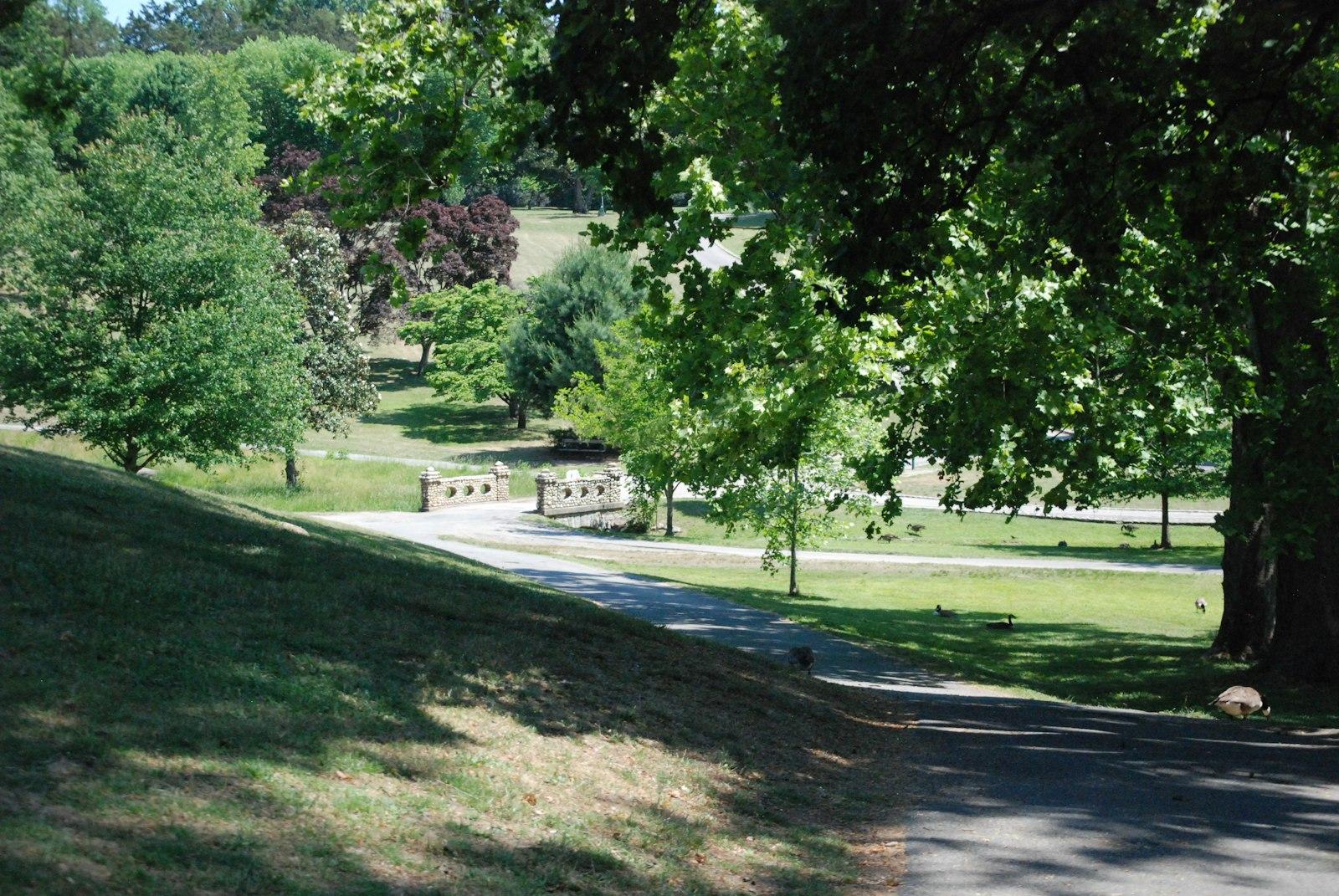
Richmond Storm Tree Damage: An RVA Homeowner's Guide
Hurricane remnants, ice storms, and towering willow oaks each threaten trees differently. Here is how Richmond storms damage property and how to prepare.

Filing a Liberty Mutual Tree Damage Claim: A Guide
A calm, well-documented Liberty Mutual tree damage claim settles more smoothly. Here is how to secure the scene, gather evidence, report the loss, and work with your adjuster.
Do You Need a Permit to Remove a Tree?
Need Emergency Tree Service?
Our team of certified arborists is available 24/7 to handle any tree emergency.