Maryland Storm Tree Damage: A Homeowner's Guide

By Tree Emergency Expert
Tree Emergency Expert
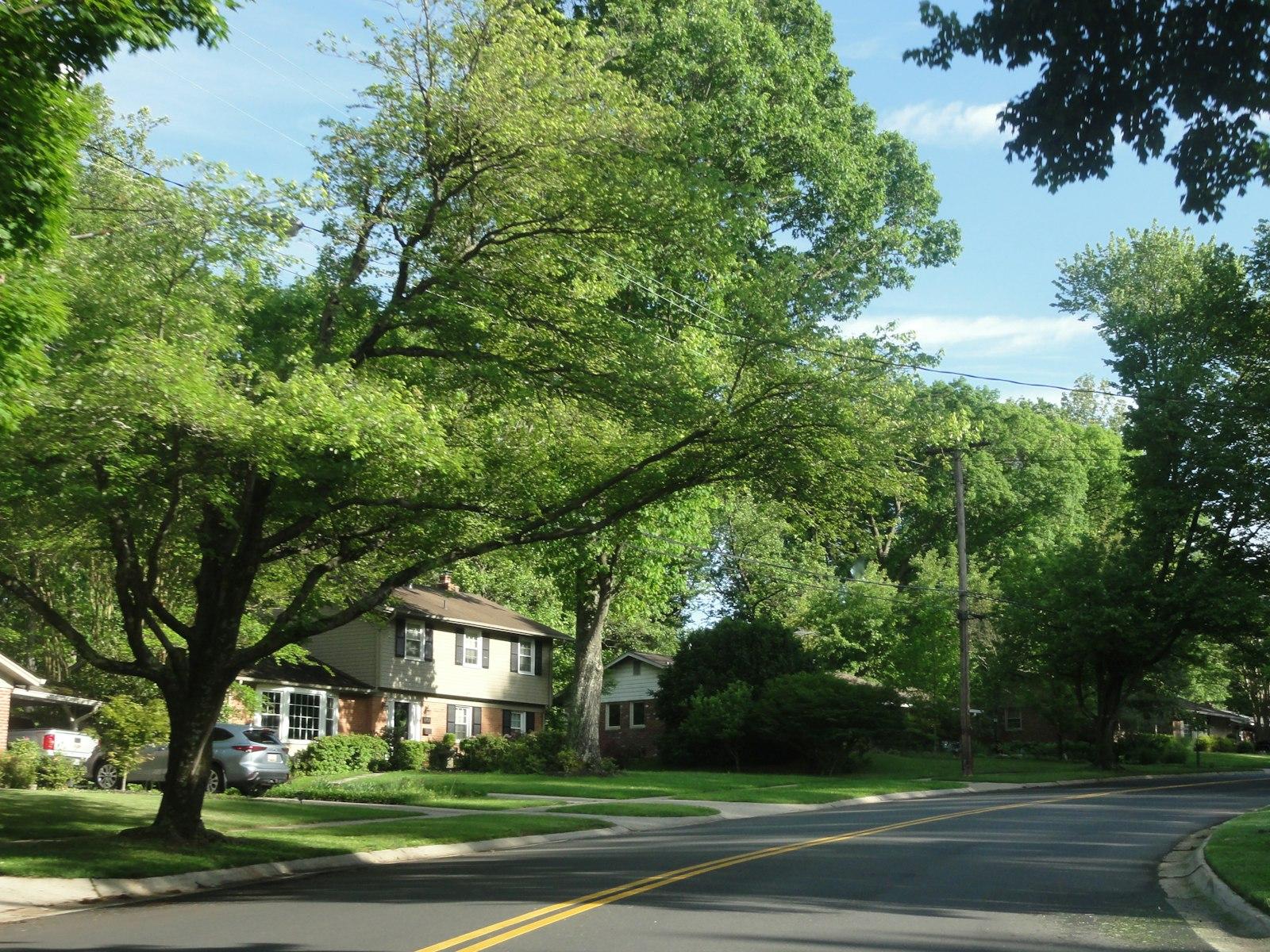
Nor'easters, hurricanes, wet snow, and summer microbursts each damage trees differently. Here is how Maryland storms threaten your property and how to prepare.
How Maryland Storms Damage Trees, and How to Prepare
Maryland packs an unusual range of weather into a small state, from the Chesapeake coast to the Appalachian foothills. Nor'easters, the remnants of Atlantic hurricanes, heavy wet snow, ice storms, and violent summer thunderstorms all take a toll on trees, and homeowners from Baltimore to the suburbs see the results every year. Understanding how these storms cause damage is the first step toward protecting your property and knowing when to call for help.
Nor'easters and Saturated Ground
Nor'easters push sustained wind and heavy rain across Maryland, often for a full day or more. The rain is frequently the greater threat. Once the soil is fully saturated, root plates lose their grip, and trees that would shrug off the same wind on dry ground topple over intact. This is why so many failures happen late in a storm rather than at its peak. Shallow-rooted species and tall pines on soggy, low-lying lots near the Chesapeake are especially at risk.
Hurricanes and Tropical Remnants
Late summer and fall bring tropical systems up the coast, and Maryland has felt the effects of storms like Isabel and Ida. Even after a hurricane weakens inland, it can deliver hours of sustained wind and torrential rain. Combined with the Chesapeake's already high water table, that saturating rain uproots trees and turns weakened limbs into projectiles. Storm surge and flooding can also stress roots for months afterward.
Wet Snow and Ice
Winter adds another layer of risk. Early and late-season storms drop heavy, wet snow while leaves may still be on the trees, loading branches with enormous weight. Ice storms coat every limb until the added load snaps unions and brings down whole canopies, and western Maryland sees the worst of it. Snow and ice find every weak union and dead limb and bring them down all at once.
Summer Microbursts
Summer brings a faster, more localized threat: the microburst. These intense downdrafts from collapsing thunderstorms produce straight-line winds rivaling a tornado over a small area, flattening otherwise healthy trees in seconds. Because they strike with little warning, prevention matters more than reaction. A tree already weakened by decay or poor structure is the one most likely to fail.
Preparing Your Trees Before the Season
You cannot control the weather, but you can lower your risk. The best preparation happens on calm, dry days, well ahead of any forecast:
Share this article:
Need help with this right now?
We respond 24/7. Call (866) 320-7003 or start with the page that matches your situation.
Service in your area
Related services
Related Articles

ACV vs. Replacement Cost for Tree Damage Claims
Actual cash value and replacement cost can produce very different payouts. Here is how each is calculated and what to check before you file a tree claim.
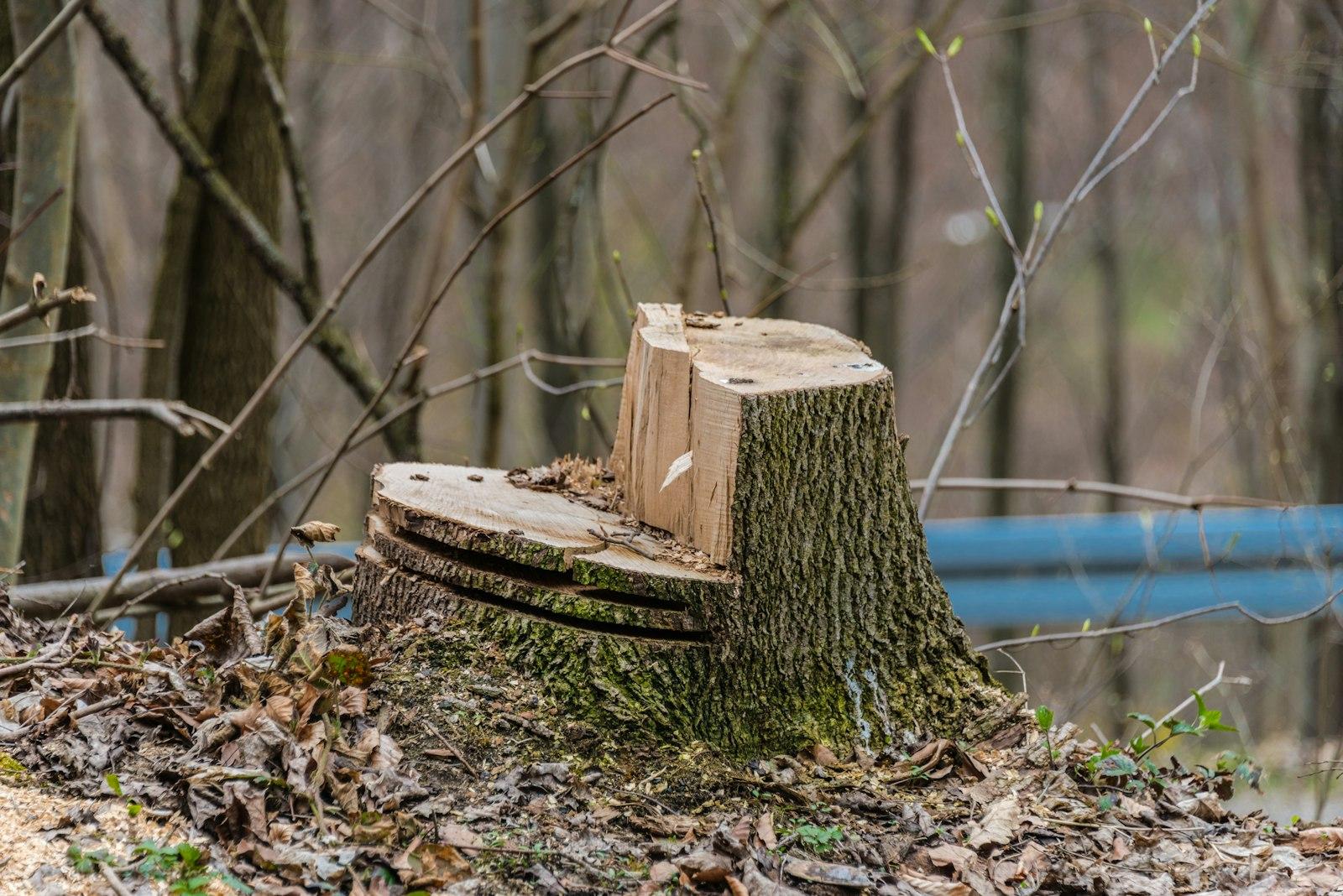
Stump Removal After Emergency Tree Work
Once the emergency is over and the tree is gone, a stump is left behind. Here is what to know about grinding versus full removal and how to handle it right.
Richmond Storm Tree Damage: An RVA Homeowner's Guide
Need Emergency Tree Service?
Our team of certified arborists is available 24/7 to handle any tree emergency.