How to Tell If a Tree Is Dead or Dying

By Tree Emergency Expert
Tree Emergency Expert
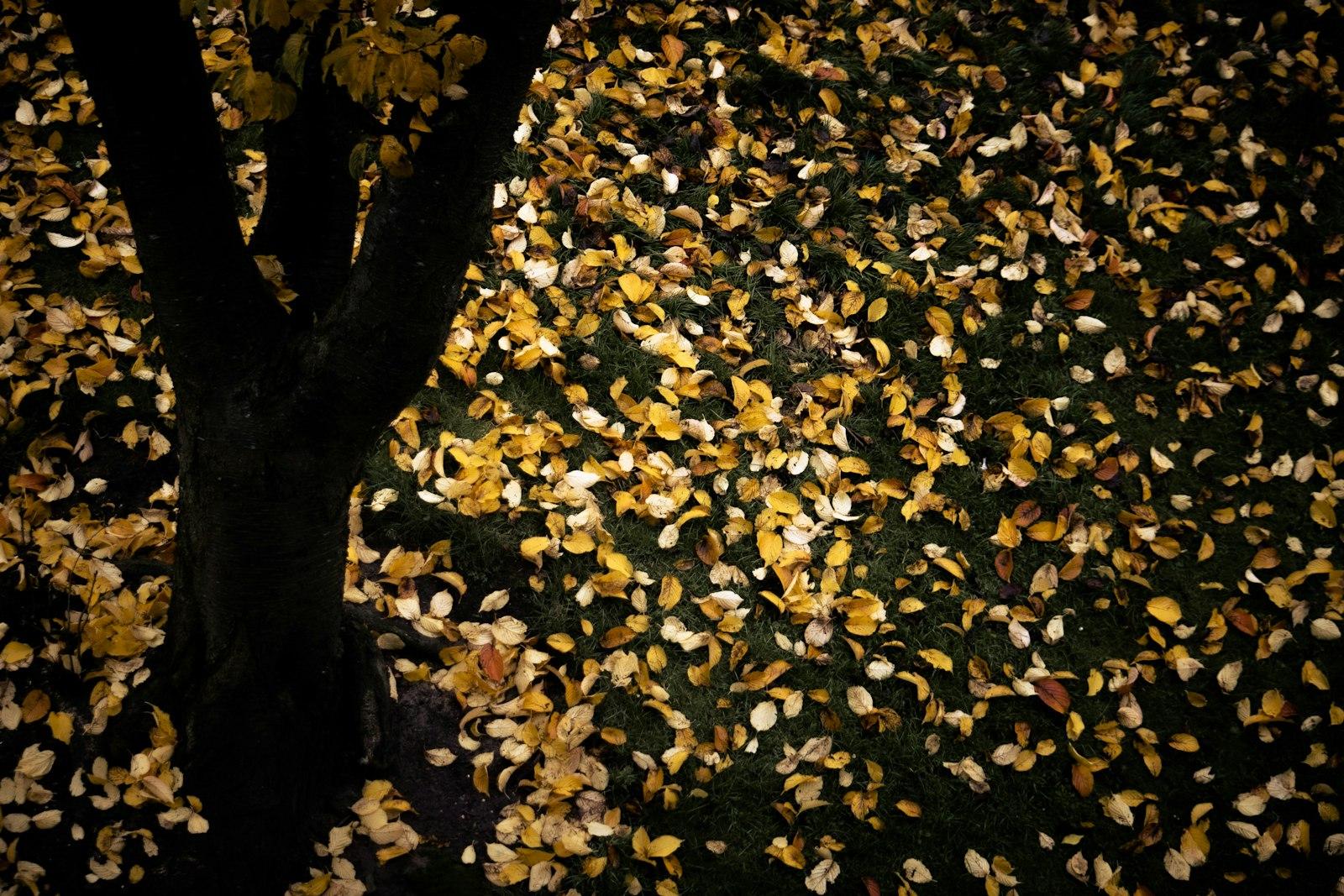
A dead or dying tree can become a serious hazard. Learn the warning signs certified arborists check for and when it is time to act before it falls.
A dead or dying tree is more than an eyesore. As decay spreads, limbs and eventually the whole tree can fail, and that failure often lands on a roof, car, or power line. Catching the warning signs early lets you act before a storm makes the decision for you. Here is how certified arborists evaluate whether a tree is in trouble.
Start With a Simple Scratch Test
The fastest check is the scratch test. Use a fingernail or a pocketknife to scrape a small spot of bark on a twig or branch.
Green and moist underneath: that part of the tree is still alive
Brown, dry, and brittle: that section is dead
Test several branches on different sides. If the whole canopy scratches brown, the tree is likely dead. If only some limbs fail, you may be dealing with partial dieback that still needs attention.
Look at the Canopy and Leaves
The crown tells you a lot about a tree's health across the seasons.
Bare branches when the tree should be in full leaf
Leaves that emerge late, undersized, discolored, or wilted
Large dead limbs high in the canopy, sometimes called widow-makers
One-sided decline where an entire section has no growth
Inspect the Bark and Trunk
The trunk is the tree's structural core, and problems here are serious.
Large areas of missing, loose, or peeling bark
Deep vertical cracks or splits, especially on multiple sides
Cavities, hollows, or soft, crumbling wood
Fungal growth such as mushrooms or conks at the base or on the trunk, which often signals internal decay
Check the Roots and Base
Root problems are the hardest to see and the most dangerous, because they undermine the tree's anchorage.
Mushrooms or fungal shelves growing from the roots or soil nearby
Heaving or cracked soil on one side of the trunk
A sudden lean that was not there before
Exposed, damaged, or severed roots from recent construction or digging
Share this article:
Need help with this right now?
We respond 24/7. Call (866) 320-7003 or start with the page that matches your situation.
Related Articles
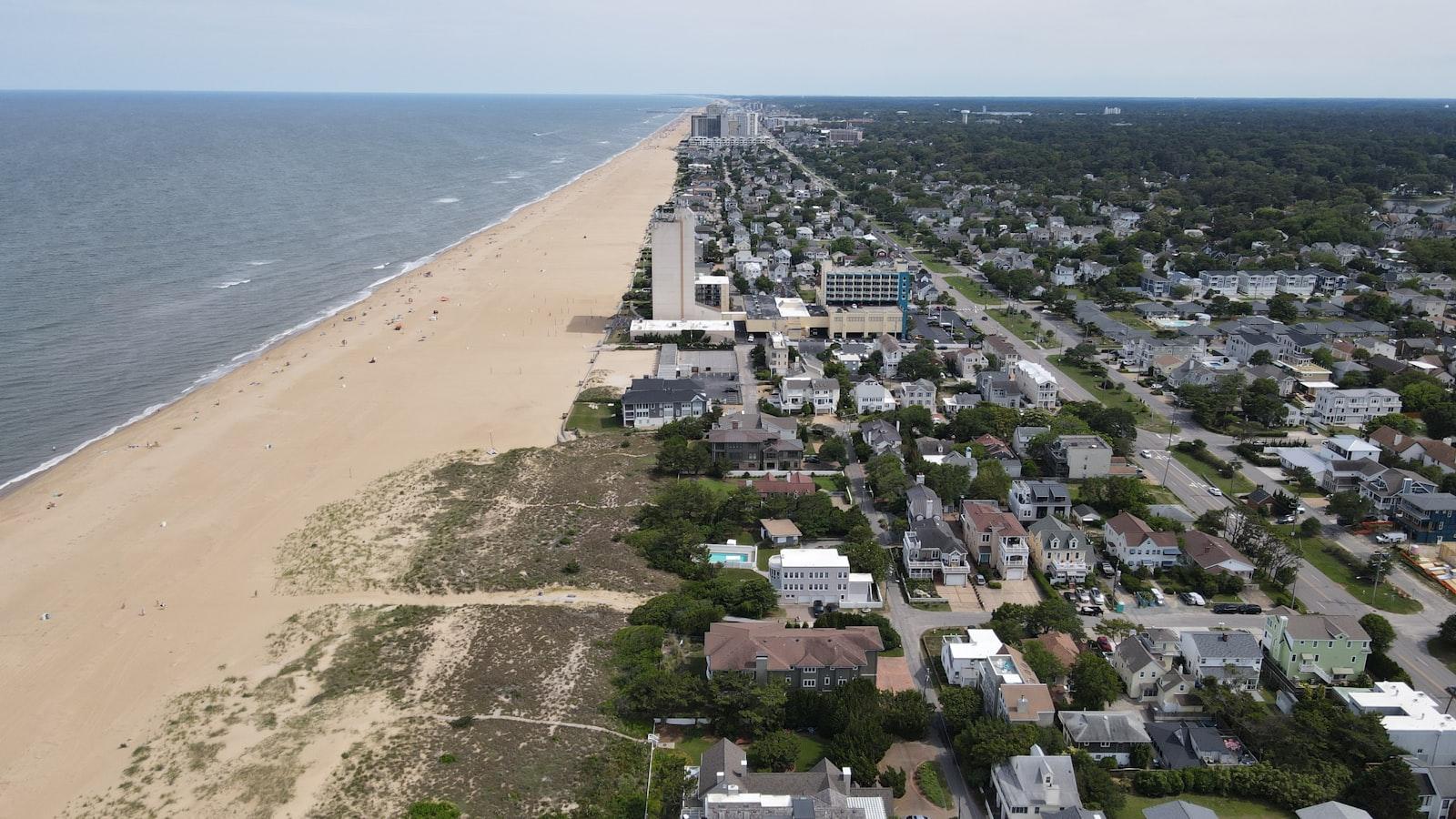
Virginia Beach Hurricane Tree Damage: A Coastal Guide
Hurricanes, storm surge, salt spray, and sprawling live oaks each threaten coastal trees. Here is how Virginia Beach storms cause damage and how to prepare.
ACV vs. Replacement Cost for Tree Damage Claims
Actual cash value and replacement cost can produce very different payouts. Here is how each is calculated and what to check before you file a tree claim.
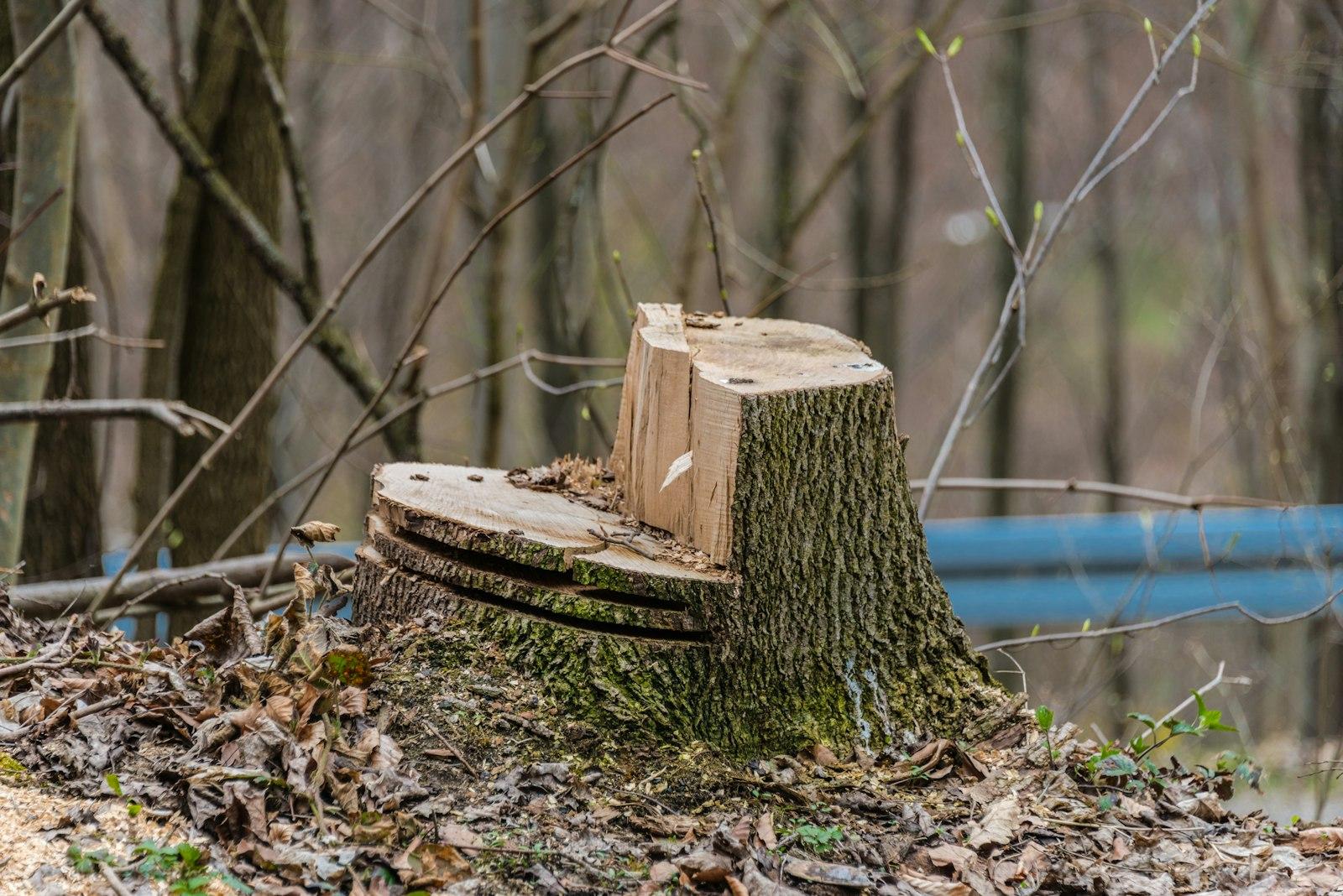
Stump Removal After Emergency Tree Work
Need Emergency Tree Service?
Our team of certified arborists is available 24/7 to handle any tree emergency.