Fall Storm Prep for Your Trees: An Autumn Checklist

By Tree Emergency Expert
Tree Emergency Expert
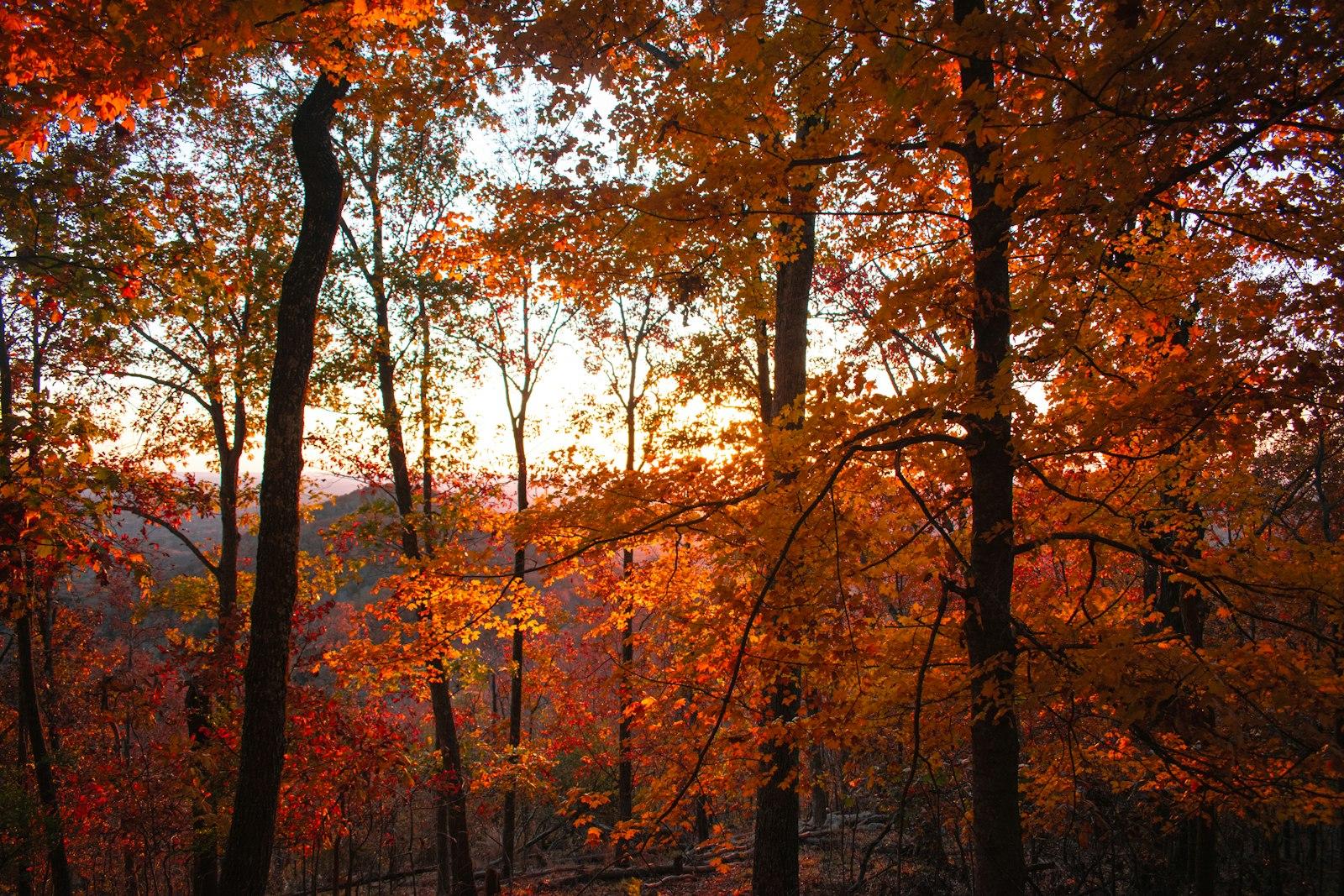
Fall is the best time to ready your trees for winter. Use this autumn checklist to clear deadwood, spot hazards, and handle risky trees before the snow.
Why Fall Is the Best Time to Prep Your Trees
Autumn is the quiet window between summer thunderstorms and the wet snow and ice of winter. It is also the smartest time of year to get your trees ready. Leaves are dropping, so defects that hid behind a full canopy all summer are suddenly visible, and crews are not yet stretched thin by back-to-back storms. A few hours of work now can spare you a downed limb on the driveway in January.
Here in Connecticut and across the Northeast, the first heavy, wet snow of the season is often the most damaging. It clings to branches that still hold leaves, adding hundreds of pounds of load to limbs that summer never tested. Preparing in fall is how you get ahead of it.
Manage the Leaf Load Before It Becomes Snow Load
A canopy full of leaves is a canopy that catches wet snow. That combination is what snaps limbs in early-season storms.
Thin dense, overextended branches so wind and snow pass through instead of loading up
Prune out any limbs that are already cracked, hanging, or rubbing against each other
Clear branches that overhang the roof, driveway, or the power drop to your house
Rake and remove fallen leaves from around the base so you can actually see the root flare
Proper fall pruning is not about topping a tree or cutting it back hard. It is about removing weak, dead, and overloaded wood so the healthy structure survives the winter.
Walk the Property and Inspect
With the leaves down, do a slow lap around every tree and look up, down, and at the trunk. You are hunting for the same warning signs that predict failure under load.
Dead or bare branches that never leafed out this year
A lean that looks new, especially with cracked or heaving soil at the base
Deep trunk cracks, cavities, or shelf-like fungus signaling internal decay
Tight V-shaped unions where two stems meet with bark pinched between them
Hanging limbs already lodged in the canopy from summer wind
Mark anything questionable. If you find several of these signs on one tree, treat it as a priority rather than something to watch.
Get a Professional Read on the Doubtful Ones
Share this article:
Need help with this right now?
We respond 24/7. Call (866) 320-7003 or start with the page that matches your situation.
Related Articles
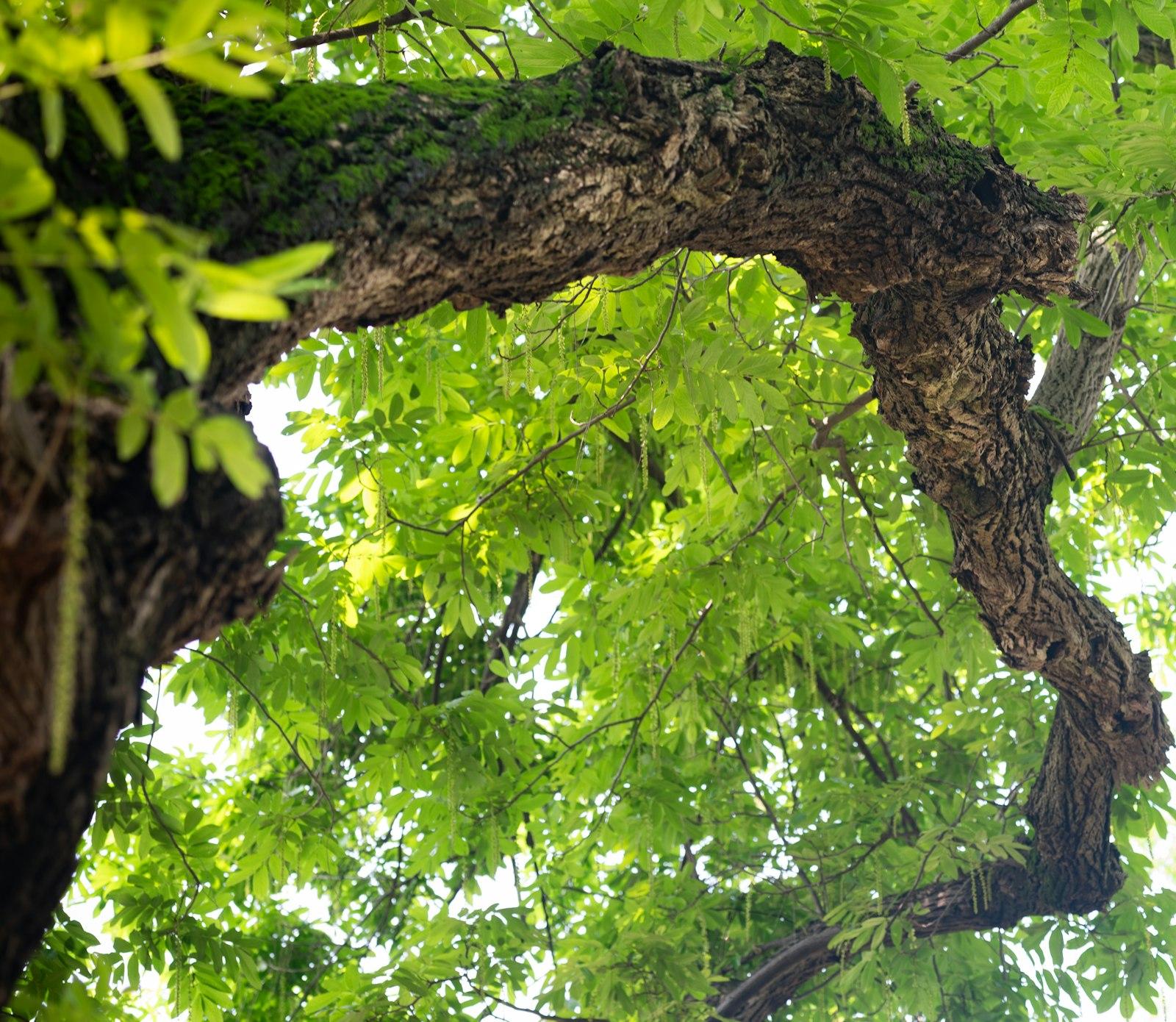
Cabling and Bracing to Save a Weak Tree
A split fork or heavy leaning limb does not always mean removal. Cabling and bracing can add years of safe life to a valuable tree when it is the right fit.
Providence Storm Tree Damage: A Rhode Island Guide
Nor'easters, hurricane remnants, and the legacy of the 1938 hurricane each threaten trees. Here is how Providence storms cause damage and how to prepare.
Filing a Farmers Tree Damage Claim: A Practical Guide
Need Emergency Tree Service?
Our team of certified arborists is available 24/7 to handle any tree emergency.