Connecticut Shoreline Storm Tree Damage Guide

By Tree Emergency Expert
Tree Emergency Expert
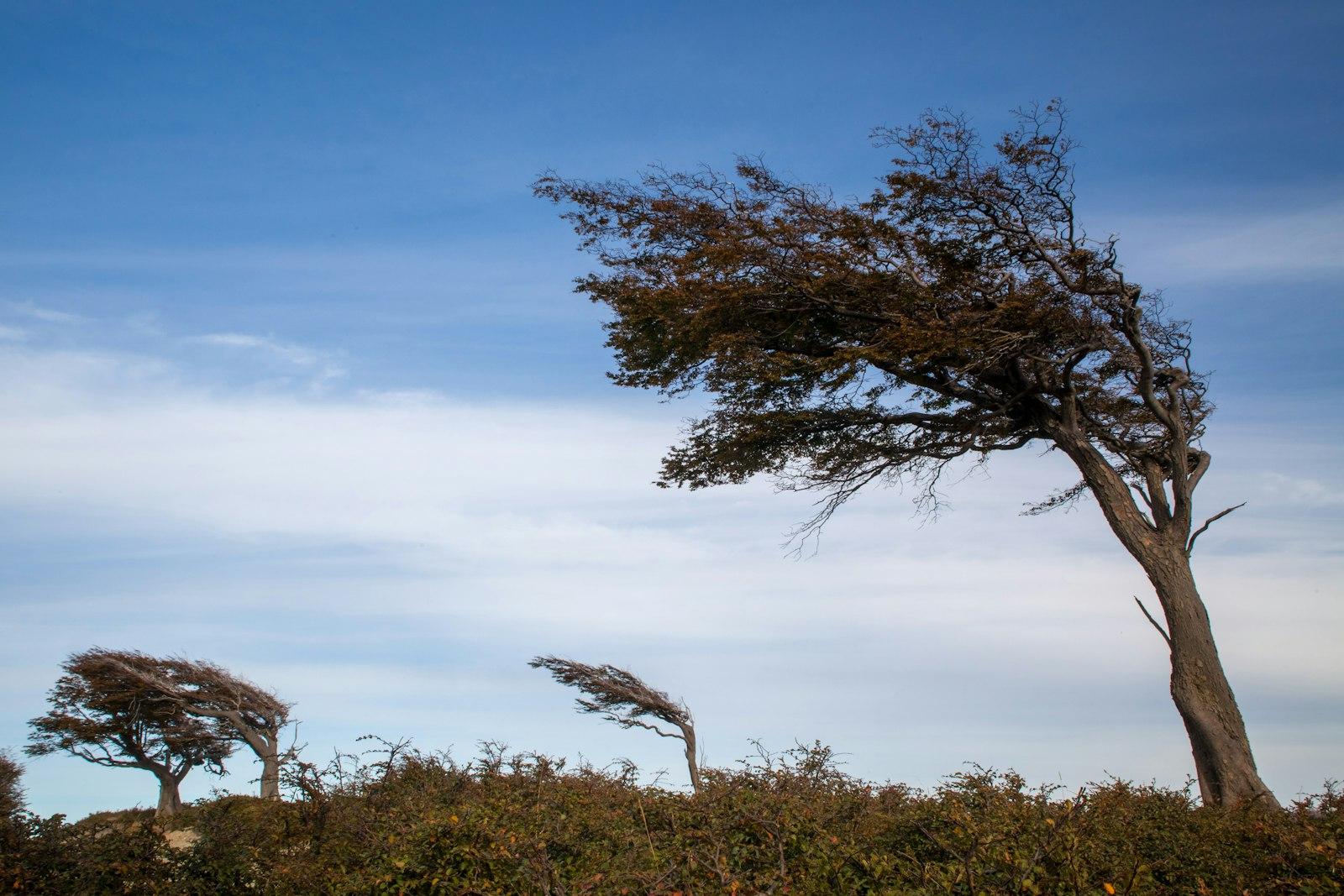
Salt wind, storm surge, and nor'easters make the Connecticut coast unique. Here is how shoreline storms damage trees and how Fairfield County can prepare.
How Coastal Storms Threaten Shoreline Connecticut Trees
Connecticut's shoreline is a different world from the interior. Along Long Island Sound, from Greenwich and Stamford through Bridgeport, New Haven, and out to Old Saybrook, trees face salt spray, storm surge, and the funneled wind that coastal geography creates. This guide is for the Fairfield and New Haven county coast, where the storms that matter most come off the water.
Hurricanes and Tropical Systems
The Connecticut shoreline has taken direct hits from history's biggest storms. The Hurricane of 1938 and Hurricane Gloria in 1985 are still local benchmarks, and Superstorm Sandy in 2012 drove a devastating surge into Fairfield County, flooding neighborhoods in Stamford, Norwalk, and Bridgeport and dropping thousands of trees. The danger along the Sound is a one-two punch: wind stresses the canopy while surge and rain saturate the ground, releasing root plates so that even large, healthy trees uproot and fall.
Nor'easters and Salt Wind
Nor'easters are relentless on the coast, driving sustained onshore wind for hours or days. Salt spray carried inland can weaken and brown foliage, adding stress that shows up in the next big blow. Most failures come late in these storms, after saturated soil has given up its grip on the roots. Low-lying lots near the marshes and river mouths of Milford, Fairfield, and Guilford are especially exposed.
Wet Snow, Ice, and Summer Wind
The shoreline is milder than Hartford County, but heavy wet snow and ice still load branches with weight the tree was never built to hold, snapping weak unions and dead limbs. In summer, microbursts from collapsing thunderstorms produce straight-line winds that can flatten a healthy tree in seconds, with little warning from the NWS office at Upton, New York, which covers the southwest Connecticut coast.
Preparing Your Trees Before the Season
The best protection happens on calm, dry days, well ahead of any forecast:
Have mature trees inspected for lean, cracks, cavities, and deadwood
Prune dead limbs and thin dense canopies so wind can pass through
Clear branches away from the roof, driveway, and the service drop to your home
Note which trees overhang the house so you can prioritize them
The shoreline sits in United Illuminating and Eversource territory, and downed trees on lines are a leading cause of local outages. Keeping your trees clear of the wires protects both your power and your safety.
Share this article:
Need help with this right now?
We respond 24/7. Call (866) 320-7003 or start with the page that matches your situation.
Service in your area
Related services
Related Articles

ACV vs. Replacement Cost for Tree Damage Claims
Actual cash value and replacement cost can produce very different payouts. Here is how each is calculated and what to check before you file a tree claim.
Stump Removal After Emergency Tree Work
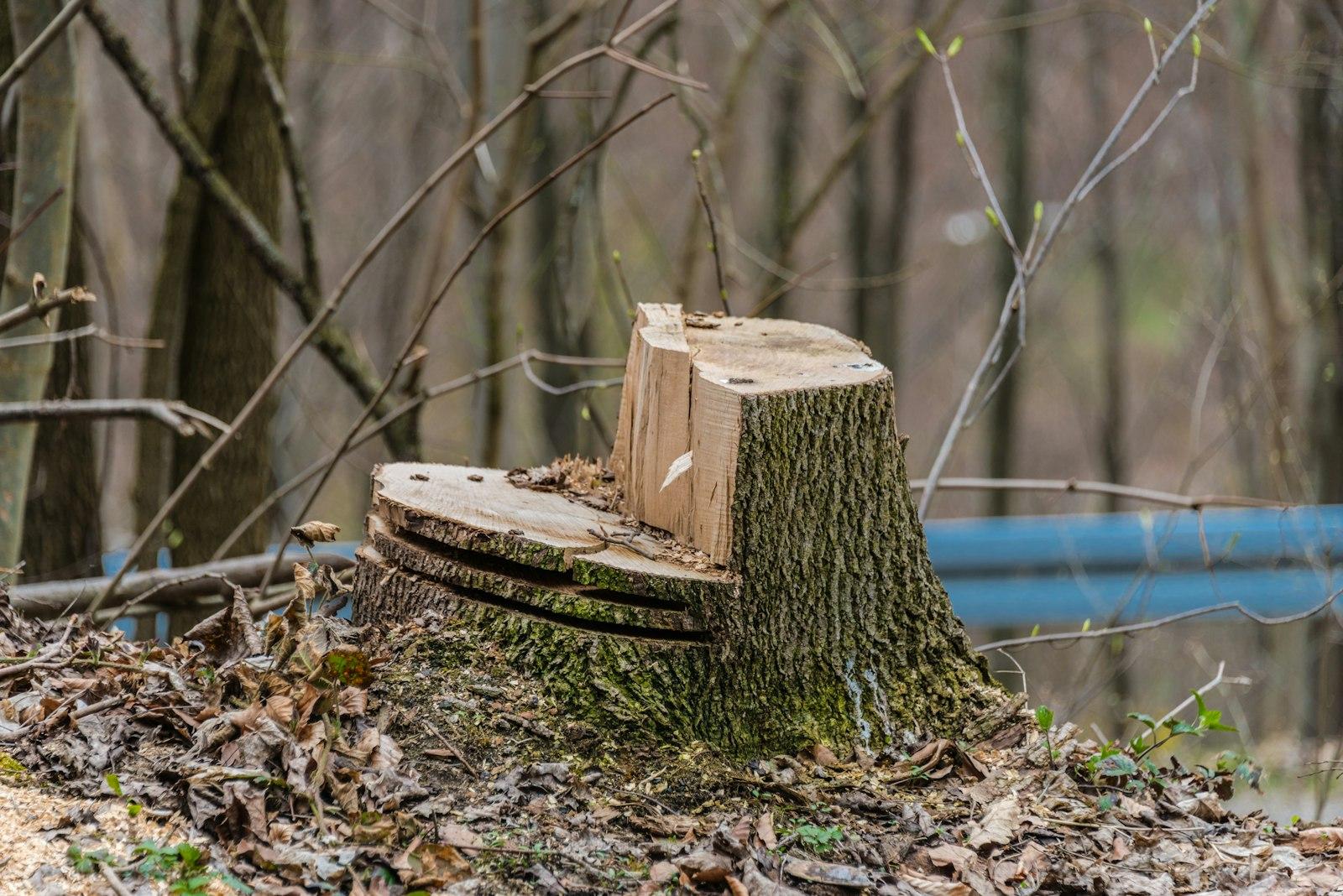
Once the emergency is over and the tree is gone, a stump is left behind. Here is what to know about grinding versus full removal and how to handle it right.
Richmond Storm Tree Damage: An RVA Homeowner's Guide
Need Emergency Tree Service?
Our team of certified arborists is available 24/7 to handle any tree emergency.