Virginia Hurricane Tree Damage: A Coastal Guide

By Tree Emergency Expert
Tree Emergency Expert
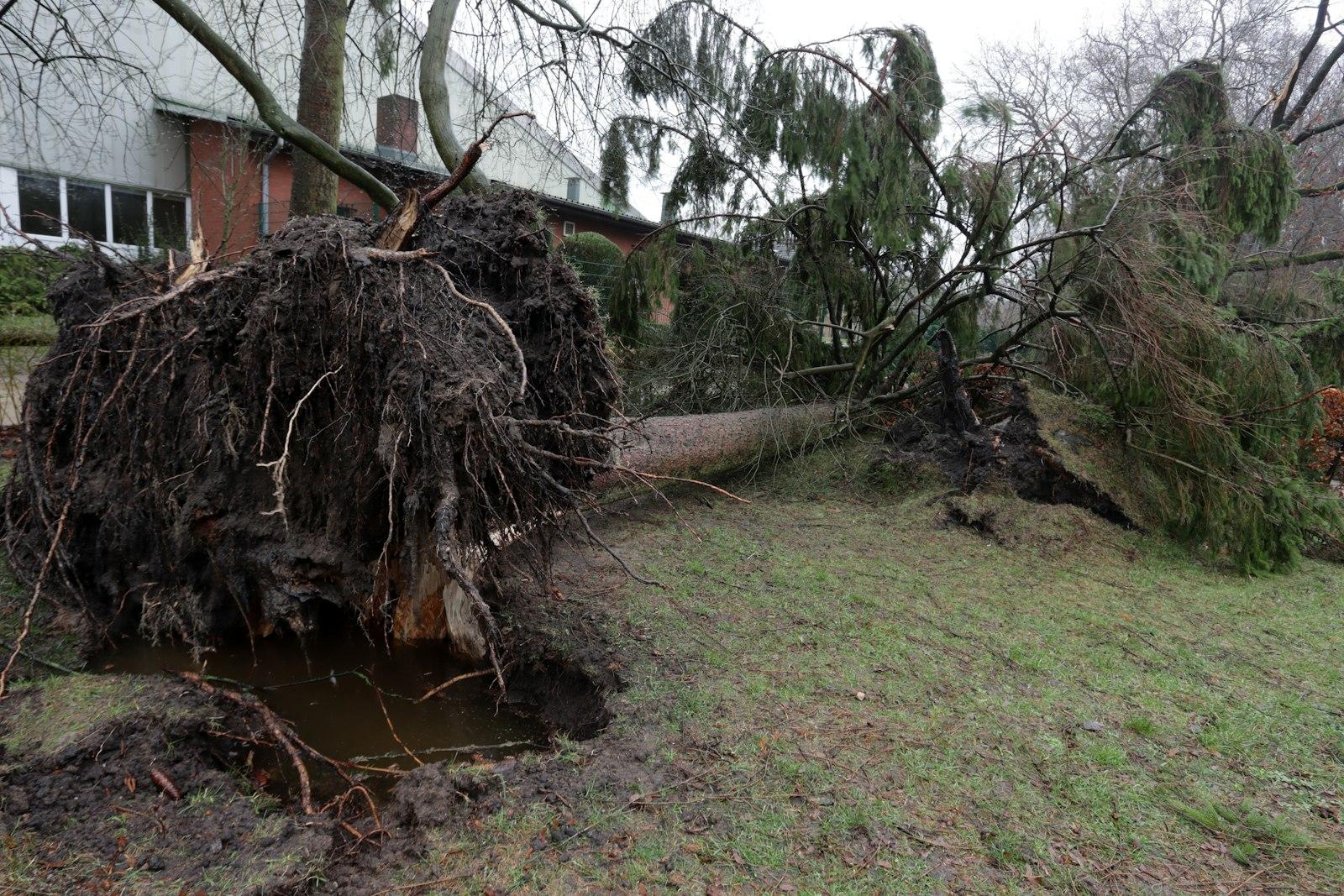
Hurricanes, saturated soil, and salt-laden wind hit coastal Virginia trees hard. Here is how storms threaten Hampton Roads homes and how to prepare.
For coastal Virginia, hurricane season is not an abstract worry, it is an annual reality. From Virginia Beach and Norfolk across the whole of Hampton Roads, low elevation, sandy soils, and a long Atlantic coastline combine to make trees especially vulnerable when tropical systems roll in. Understanding how hurricanes and coastal storms damage trees is the first step toward protecting your home and knowing when to call for help.
Why Coastal Virginia Trees Are So Exposed
Hampton Roads sits right in the path of Atlantic tropical systems, and the region's geography makes tree failures worse. Much of the area is flat and low-lying, with a high water table and sandy, loose soils that offer roots less anchorage than firm clay. When a hurricane or tropical storm dumps heavy rain, the ground saturates fast, and root plates lose their grip. Add sustained coastal wind, and even large, healthy-looking trees can topple over intact.
How Hurricanes Damage Trees
Tropical systems attack trees on several fronts at once:
Sustained wind fatigues trunks and root systems over many hours, not just seconds
Saturated soil loosens roots until whole trees uproot and fall
Gusts and embedded tornadoes snap trunks and tear off large limbs
Storm surge and flooding can drown roots and destabilize trees for months afterward
Species matter, too. Fast-growing, shallow-rooted trees and top-heavy pines tend to fail first, while trees already weakened by decay, prior storm wounds, or poor structure are the most likely to come down.
Salt, Surge, and Lingering Damage
Coastal storms leave effects that outlast the wind. Salt spray driven inland can scorch foliage and stress trees, and prolonged flooding starves roots of oxygen. A tree that survives the storm itself may decline and become a hazard in the following seasons, which is why a post-storm inspection matters as much as pre-storm pruning.
Preparing Before Hurricane Season
You cannot steer a hurricane, but you can lower your risk. The best preparation happens on calm, dry days, well before a storm is in the forecast:
Have mature trees inspected for lean, cracks, cavities, and deadwood
Prune dead limbs and thin dense canopies so wind can pass through
Clear branches away from the roof, driveway, and the service drop to your home
Share this article:
Need help with this right now?
We respond 24/7. Call (866) 320-7003 or start with the page that matches your situation.
Service in your area
Related services
Related Articles

ACV vs. Replacement Cost for Tree Damage Claims
Actual cash value and replacement cost can produce very different payouts. Here is how each is calculated and what to check before you file a tree claim.
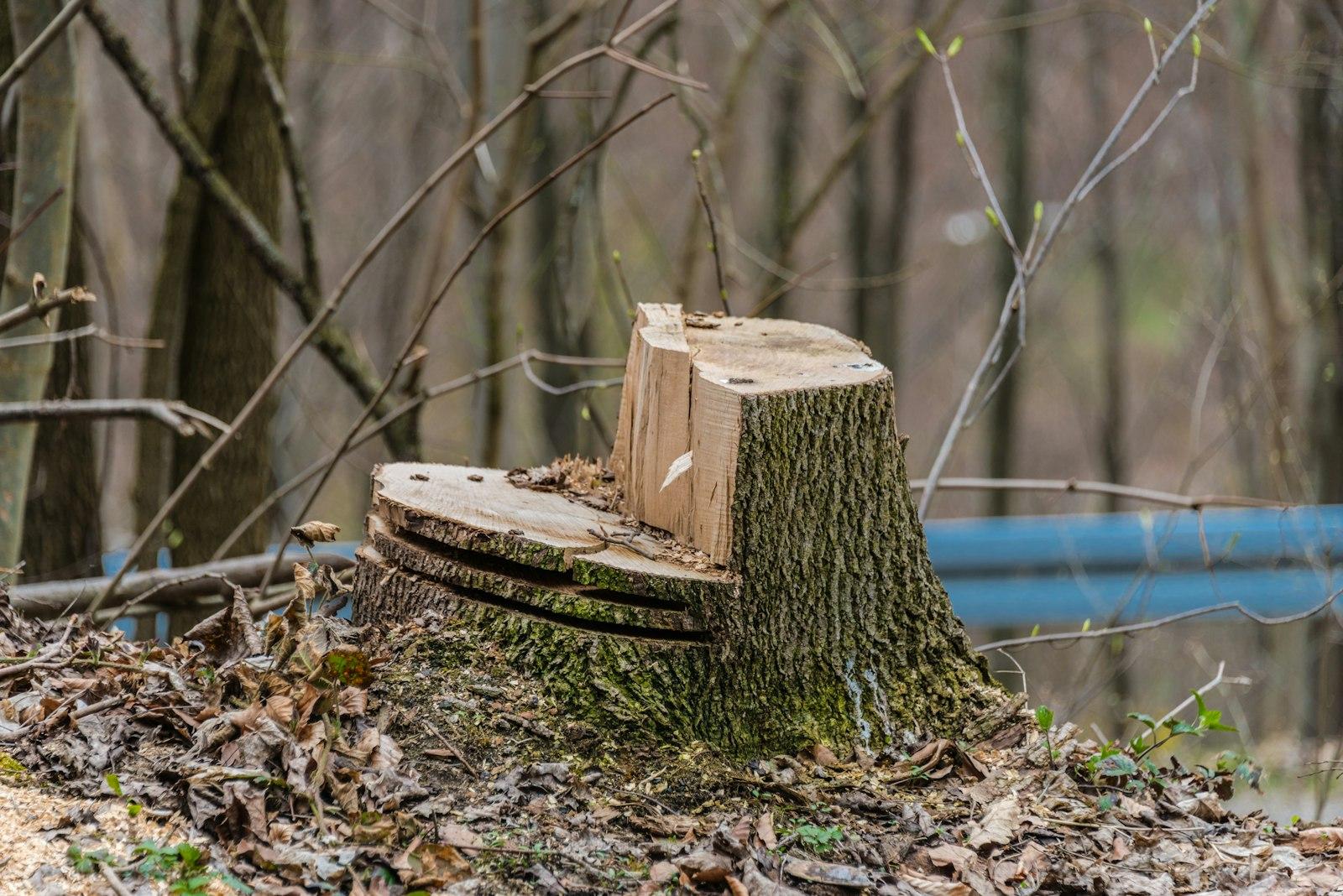
Stump Removal After Emergency Tree Work
Once the emergency is over and the tree is gone, a stump is left behind. Here is what to know about grinding versus full removal and how to handle it right.
Richmond Storm Tree Damage: An RVA Homeowner's Guide
Need Emergency Tree Service?
Our team of certified arborists is available 24/7 to handle any tree emergency.