Tips for Preventing Tree Damage in High-Wind Areas

By Tree Emergency Expert
Tree Emergency Expert
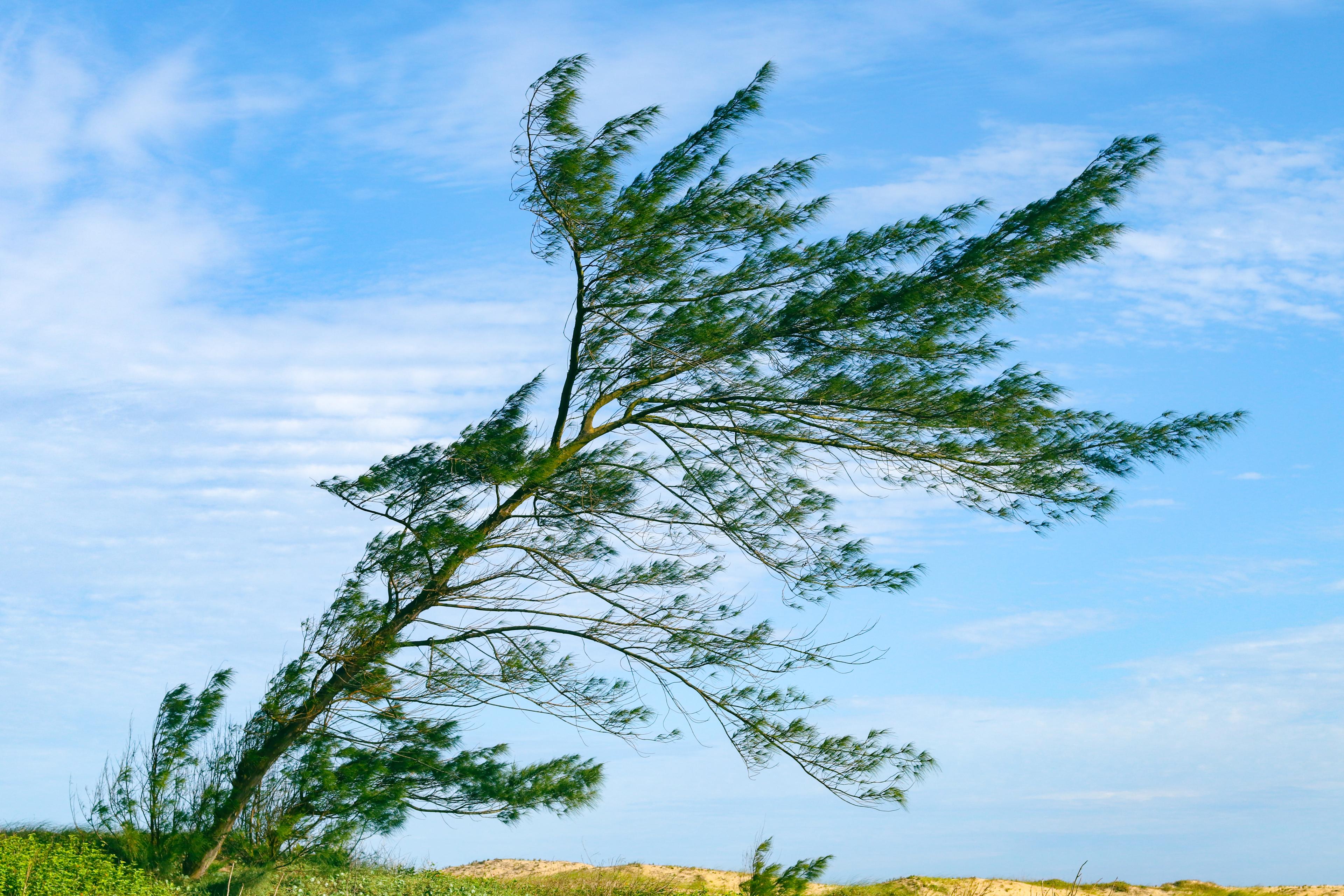
Whether you’re a homeowner, landscaper, or property manager, understanding how to protect trees from wind damage is crucial. It’s not just about aesthetics but safety, longevity, and cost savings.
High winds take a toll on properties across the country every year, causing an estimated $17 billion in damage. Trees, while beautiful and valuable, are often among the first casualties. A single falling branch can destroy a car, damage a roof, or worse, put lives at risk. But here’s the thing—most of this damage is preventable. With the right strategies, you can safeguard your trees and your property.
Whether you’re a homeowner, landscaper, or property manager, understanding how to protect trees from wind damage is crucial. It’s not just about aesthetics but safety, longevity, and cost savings. This guide will cover practical tips and expert insights to help your trees weather even the strongest storms. Let’s dig in!
1. Choose Wind-Resistant Trees
Trees vary greatly in their ability to withstand strong winds. Some species, like live oaks and crape myrtles, are naturally better at withstanding strong winds. Others, like willows and Bradford pears, are prone to snapping or uprooting.
Actionable Tip: If you’re planting new trees, opt for wind-resistant species native to your area. Local trees are naturally suited to the local climate and often develop stronger, more resilient root systems. Research or consult with a local arborist to choose the best species for your region.
2. Plant Trees Strategically
Where you plant a tree can be just as important as what you plant. Trees in open, exposed areas are more vulnerable to wind damage than those with some natural windbreaks.
Actionable Tip: Position trees near buildings, fences, or other structures that can act as windbreaks. Avoid planting too close to power lines, as high winds can bring branches into contact with them, causing outages or fires.
3. Prune for Strength
Proper pruning isn’t just about keeping a tree looking good. It’s essential for its structural integrity. Overgrown or poorly pruned trees are more likely to lose branches in high winds.
Actionable Tip: Focus on removing dead, diseased, or weak branches. Maintain a well-balanced canopy to reduce wind resistance. For young trees, practice structural pruning to encourage a strong, central leader and well-spaced branches.
4. Maintain Healthy Root Systems
A tree’s stability starts underground. Damaged or shallow root systems make trees more susceptible to uprooting during storms.
Actionable Tip: Avoid compacting soil around the base of your trees. Ensure proper watering, mulching, and fertilization to keep roots healthy and robust. If you’re unsure about a tree’s root health, hire a professional to inspect it.
Share this article:
Need help with this right now?
We respond 24/7. Call (866) 320-7003 or start with the page that matches your situation.
Related Articles

Buffalo Lake-Effect Tree Damage: An Erie County Guide
Lake-effect snow, wet snow bands, and ice loading each threaten Buffalo's trees. Here is how Erie County storms cause damage and how to prepare.

How to Appeal a Denied Tree Damage Insurance Claim
A denied tree damage claim is not always the final word. Here is how to read the denial, gather stronger evidence, and file a clear, well-supported appeal with your insurer.
What to Do With Storm Debris and Fallen Wood
Need Emergency Tree Service?
Our team of certified arborists is available 24/7 to handle any tree emergency.