ACV vs. Replacement Cost for Tree Damage Claims

By Tree Emergency Expert
Tree Emergency Expert
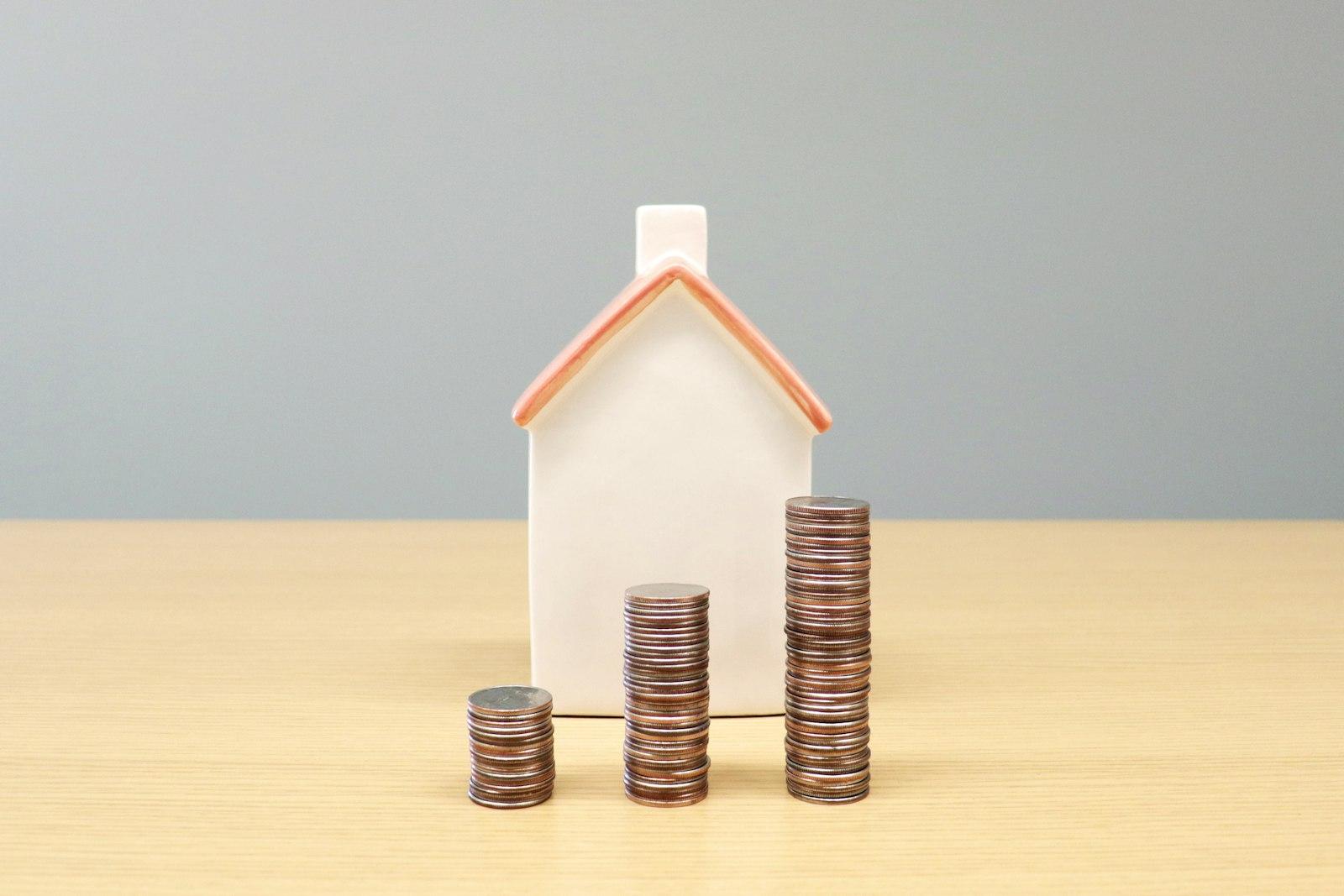
Actual cash value and replacement cost can produce very different payouts. Here is how each is calculated and what to check before you file a tree claim.
ACV vs. Replacement Cost for Tree Damage Claims
Two policies can cover the exact same fallen-tree damage and pay very different amounts. The reason usually comes down to two words on your declarations page: actual cash value or replacement cost. Understanding the difference before you file can save you from an unexpected shortfall. As always, coverage varies by policy, so use this as a guide and confirm the specifics with your own carrier.
What Actual Cash Value (ACV) Means
Actual cash value pays what your damaged property was worth at the moment it was destroyed, factoring in depreciation for age and wear. If a tree crushes a 15-year-old roof, an ACV settlement reflects that the roof was already partway through its useful life. You receive the depreciated value, not the cost of a brand-new roof.
ACV settlements are typically smaller, and the gap can be significant on older structures. Fences, sheds, and detached garages are common places where depreciation takes a noticeable bite.
What Replacement Cost Value (RCV) Means
Replacement cost pays what it actually takes to repair or rebuild with materials of like kind and quality, without subtracting depreciation. Most RCV policies work in two stages:
First they pay the actual cash value up front.
After you complete the repairs and submit receipts, they release the recoverable depreciation, bringing you up to the full replacement cost.
That second step is easy to miss. If you never finish the work or fail to submit proof, you may forfeit the depreciation holdback entirely.
Why the Difference Matters for Tree Damage
Tree losses often hit aging exterior components, roofs, siding, gutters, fences, and decks, which is exactly where depreciation is largest. A storm that drops an oak across your roof might produce an ACV check that covers only half of a full replacement. Knowing which type of policy you carry tells you whether to expect a lump sum or a staged payout. For the full sequence of steps in a claim, see our overview of how tree insurance claims work.
How to Find Out Which One You Have
Check your declarations page and the dwelling and personal-property sections of your policy. Look for the phrases "actual cash value," "replacement cost," or "replacement cost value." Some policies cover the main dwelling at replacement cost but detached structures or personal property at ACV, so read each line. The Insurance Information Institute explains these valuation methods in plain language at . When in doubt, ask your agent to confirm in writing.
Share this article:
Need help with this right now?
We respond 24/7. Call (866) 320-7003 or start with the page that matches your situation.
Related Articles
Stump Removal After Emergency Tree Work
Once the emergency is over and the tree is gone, a stump is left behind. Here is what to know about grinding versus full removal and how to handle it right.
Richmond Storm Tree Damage: An RVA Homeowner's Guide
Hurricane remnants, ice storms, and towering willow oaks each threaten trees differently. Here is how Richmond storms damage property and how to prepare.

Filing a Liberty Mutual Tree Damage Claim: A Guide
Need Emergency Tree Service?
Our team of certified arborists is available 24/7 to handle any tree emergency.