Why Tree Removal Should Only Be Handled by Certified Professionals

By Tree Emergency Expert
Tree Emergency Expert
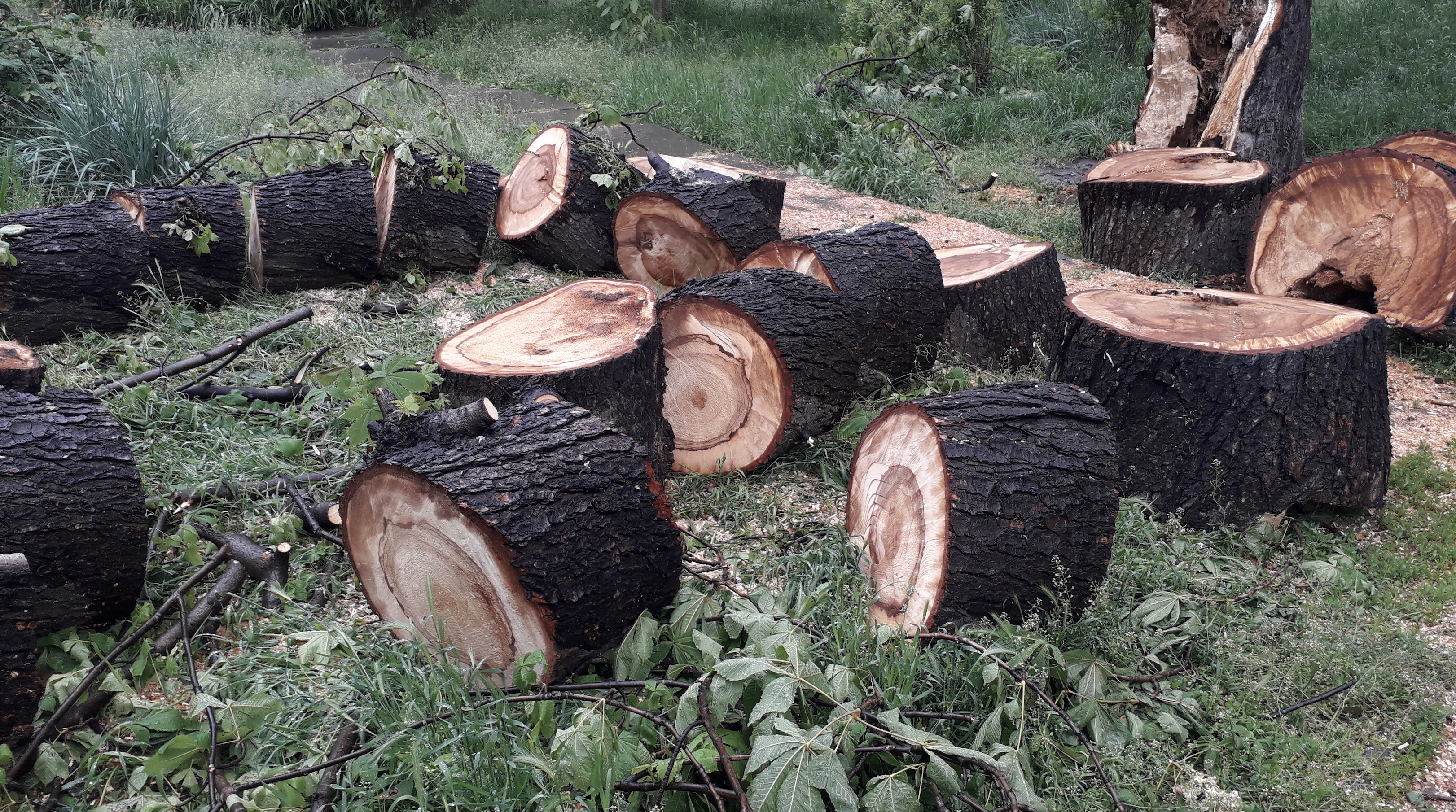
Tree removal isn’t just about grabbing a chainsaw and getting to work. Each year, thousands of people suffer injuries from DIY tree removal attempts.
Tree removal isn’t just about grabbing a chainsaw and getting to work. Each year, thousands of people suffer injuries from DIY tree removal attempts. Falling branches, unstable trunks, and lack of proper equipment can turn what seems like a simple task into a dangerous—and costly—situation. Certified tree removal professionals are trained to handle these risks, ensuring not only your safety but also the health of your remaining landscape. In this article, we’ll break down why you should never go solo on tree removal and what certified professionals bring to the table to keep your property safe and your landscape healthy.
1. Safety First: Trees are Heavier and More Unpredictable Than You Think
One of the biggest misconceptions about tree removal is that it’s just a matter of cutting down the trunk and clearing the debris. But a mature tree can weigh several tons, and when it starts falling, it can be unpredictable. Factors like wind, weight distribution, and internal decay can all affect how a tree falls. Even a small miscalculation in the angle or direction of the cut can lead to serious accidents. Certified professionals use specialized techniques and equipment to control how a tree falls, reducing the risk of damage to nearby structures or people.
What Professionals Do:
• They evaluate the direction in which the tree should fall based on nearby structures, root health, and tree weight.
• Use tools like wedges, ropes, and cranes when needed to safely guide the tree to fall in a controlled manner.
• Follow strict safety protocols and use personal protective equipment to minimize risks.
2. Professional Equipment Means Professional Results
Standard consumer equipment isn’t enough to safely and effectively handle tree removal. Certified professionals have access to industry-grade chainsaws, harnesses, cranes, and other tools that make the job quicker, safer, and more precise. Climbing high to remove upper branches or securing heavy limbs with pulleys and cranes takes specialized skills and tools that a standard DIY enthusiast typically doesn’t have.
What Professionals Do:
• Use advanced chainsaws and rigging systems to manage trees of all sizes safely.
• Employ cranes or bucket trucks to reach high branches safely without risking a fall.
• Secure branches with ropes and pulleys, lowering them safely without damage to surrounding areas.
Share this article:
Need help with this right now?
We respond 24/7. Call (866) 320-7003 or start with the page that matches your situation.
Related Articles
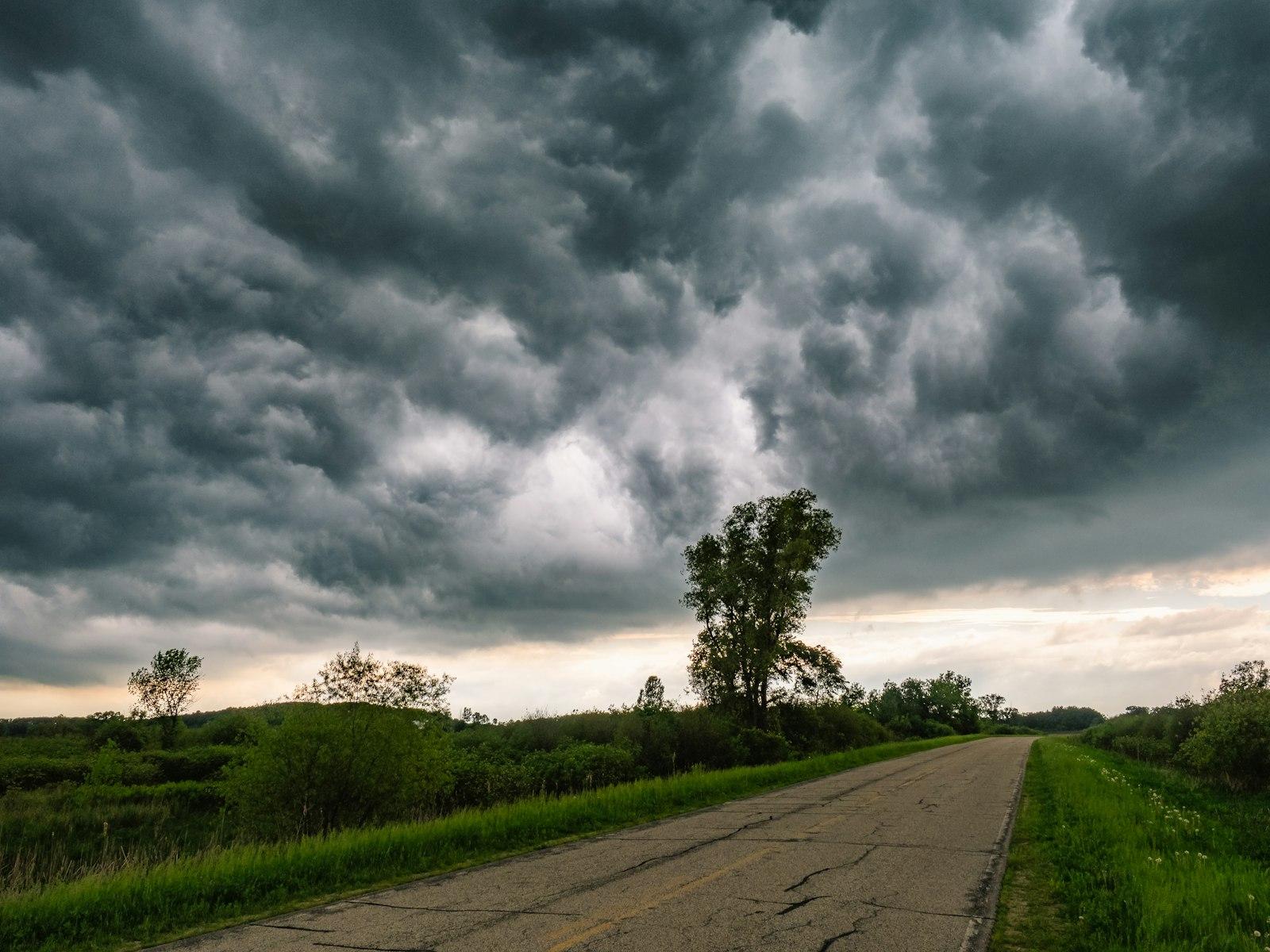
Summer Thunderstorm and Derecho Tree Damage
Summer thunderstorms and fast-moving derechos can topple healthy trees in minutes. Here is how to stay safe, spot hazards, and respond after the storm.
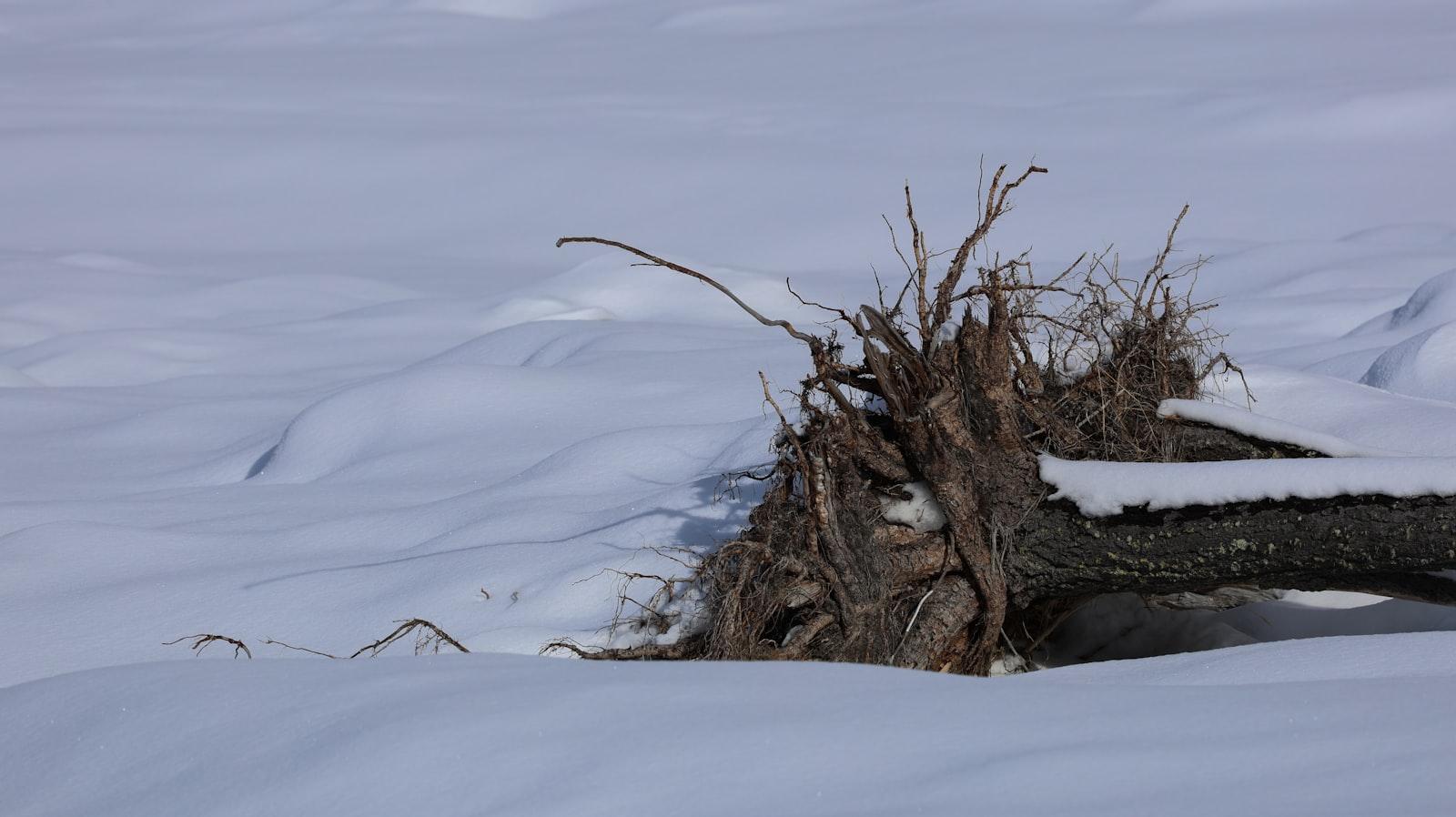
Root Damage and Why Trees Uproot in Storms
When a whole tree tips over in a storm, the wind did not snap it, the roots let go. Here is what weakens a root plate and the warning signs to watch for.
Spring Storm Tree Prep: A Homeowner's Checklist
Need Emergency Tree Service?
Our team of certified arborists is available 24/7 to handle any tree emergency.