Long Island Storm Tree Damage: A Homeowner's Guide

By Tree Emergency Expert
Tree Emergency Expert
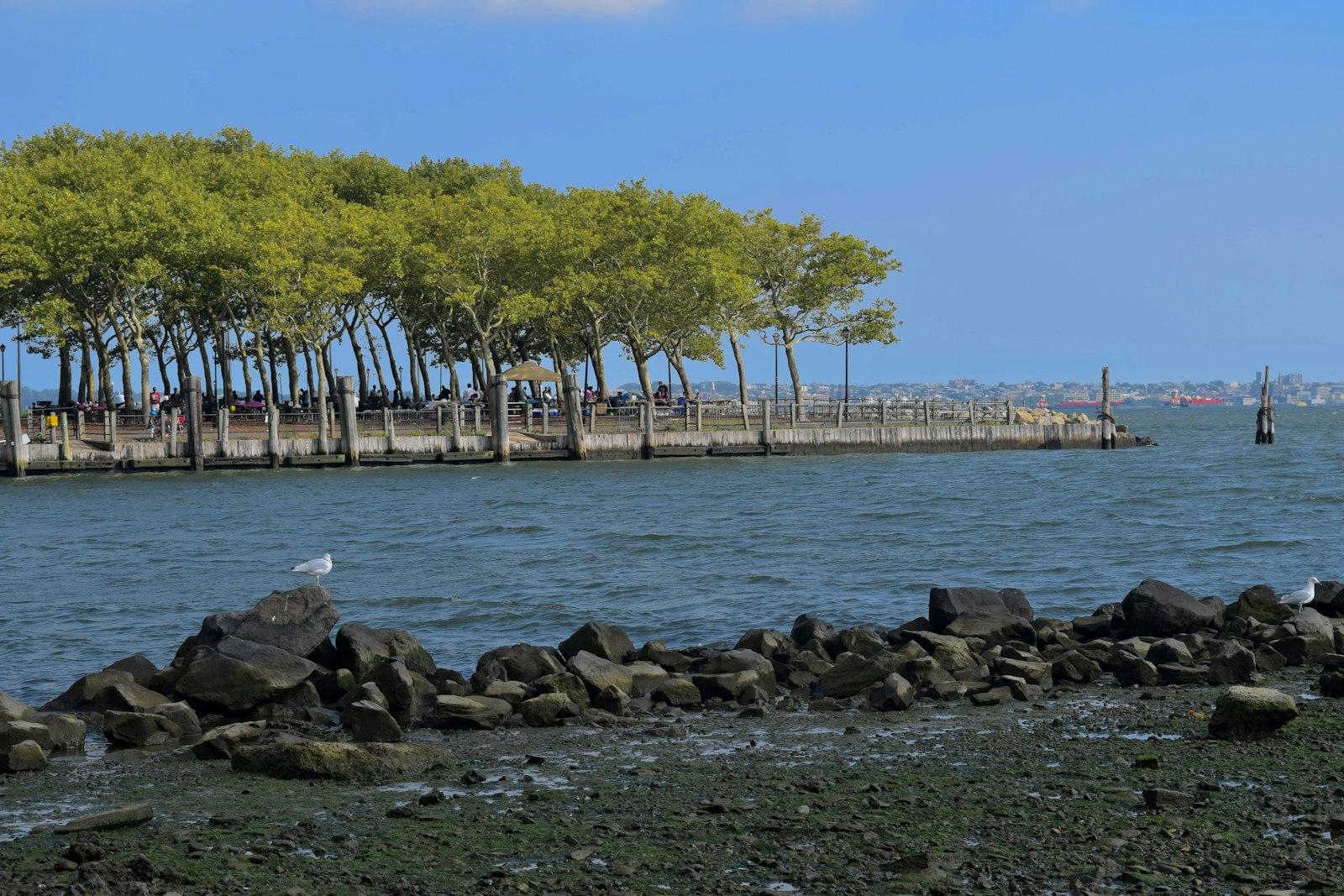
Hurricanes like Sandy, nor'easters, and salt-laden coastal wind each threaten Long Island trees. Here is how the region's storms damage property and how to prepare.
How Long Island Storms Damage Trees, and How to Prepare
Long Island's trees sit on an exposed spit of land between the ocean and the Sound, and the weather reflects it. Hurricanes and tropical storms, coastal nor'easters, salt-laden wind, and the occasional wet snow each stress trees in different ways. For homeowners across Nassau and Suffolk, from Hempstead and Garden City to Huntington, Islip, and the East End, understanding how these storms cause damage is the first step toward protecting your property and knowing when to call for help.
Hurricanes and Tropical Storms
Long Island's defining tree threat is the tropical system. Superstorm Sandy in 2012 is the benchmark, uprooting thousands of trees and cutting power across the Island for more than a week. Later storms like Isaias in 2020 drove the same lesson home. Two forces are at work. Sustained hurricane-force wind pushes on full summer canopies, and heavy rain saturates the sandy soil until root plates lose their grip. Once the ground softens, healthy-looking oaks and pines topple over intact, which is why so many failures come late in the storm.
The National Weather Service office at Upton (NWS OKX) issues the wind, surge, and flood warnings that give you a head start. When they flag a landfalling or sideswiping system, tree failures across both counties tend to surge.
Coastal Wind and Salt
Even outside named storms, Long Island trees take a beating from raw ocean and Sound wind. Persistent salt spray stresses foliage and weakens trees near the shore over time, leaving them more brittle when the next big blow arrives. Trees on the exposed South Shore and the forks are the ones to watch most closely.
Nor'easters and Wet Snow
Nor'easters push sustained wind and heavy rain across the Island, sometimes for a day or more, with the same saturated-ground risk as tropical storms. Winter versions add heavy, wet snow. When wet snow falls while leaves are still on the trees, the weight loads branches until weak unions and dead limbs snap all at once, often onto the service drops that feed your house.
Preparing Your Trees Before the Season
You cannot control the weather, but you can reduce your risk. The best preparation happens on calm, dry days, well ahead of any forecast:
Have mature trees inspected for lean, cracks, cavities, and dead limbs
Prune deadwood and thin dense canopies so wind can pass through
Share this article:
Need help with this right now?
We respond 24/7. Call (866) 320-7003 or start with the page that matches your situation.
Service in your area
Related services
Related Articles
Spring Storm Tree Prep: A Homeowner's Checklist
Spring is the best time to get trees ready for storm season. Use this checklist to inspect, prune, and reduce the risk of failure before the weather turns.
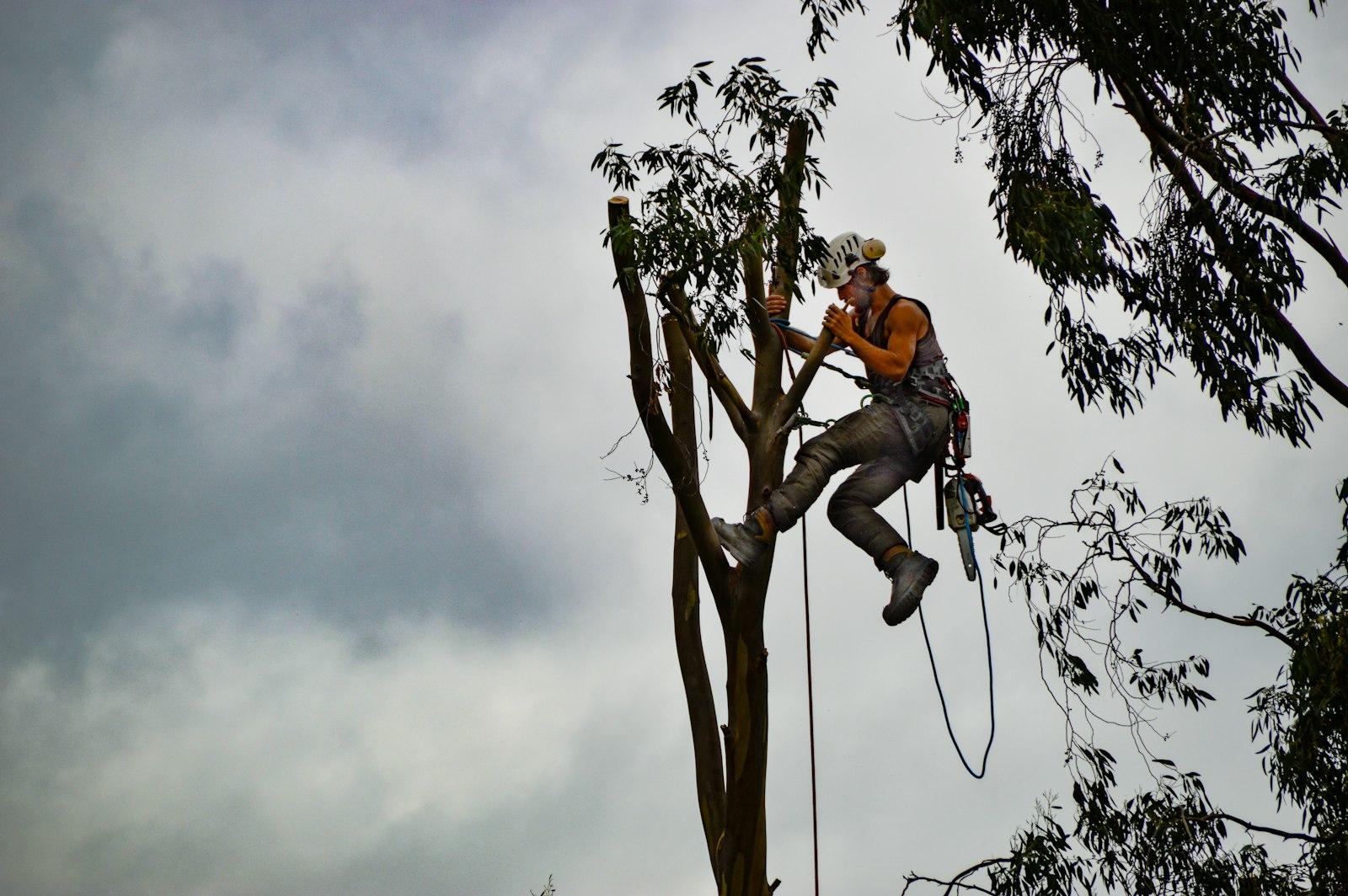
How to Hire a Licensed, Insured Arborist
Hiring the wrong tree company can cost you dearly. Here is how to verify credentials, insurance, and certification so you hire a safe, qualified arborist.

Minneapolis Storm Tree Damage: A Twin Cities Guide
Need Emergency Tree Service?
Our team of certified arborists is available 24/7 to handle any tree emergency.