How to Inspect Your Trees After a Storm

By Tree Emergency Expert
Tree Emergency Expert
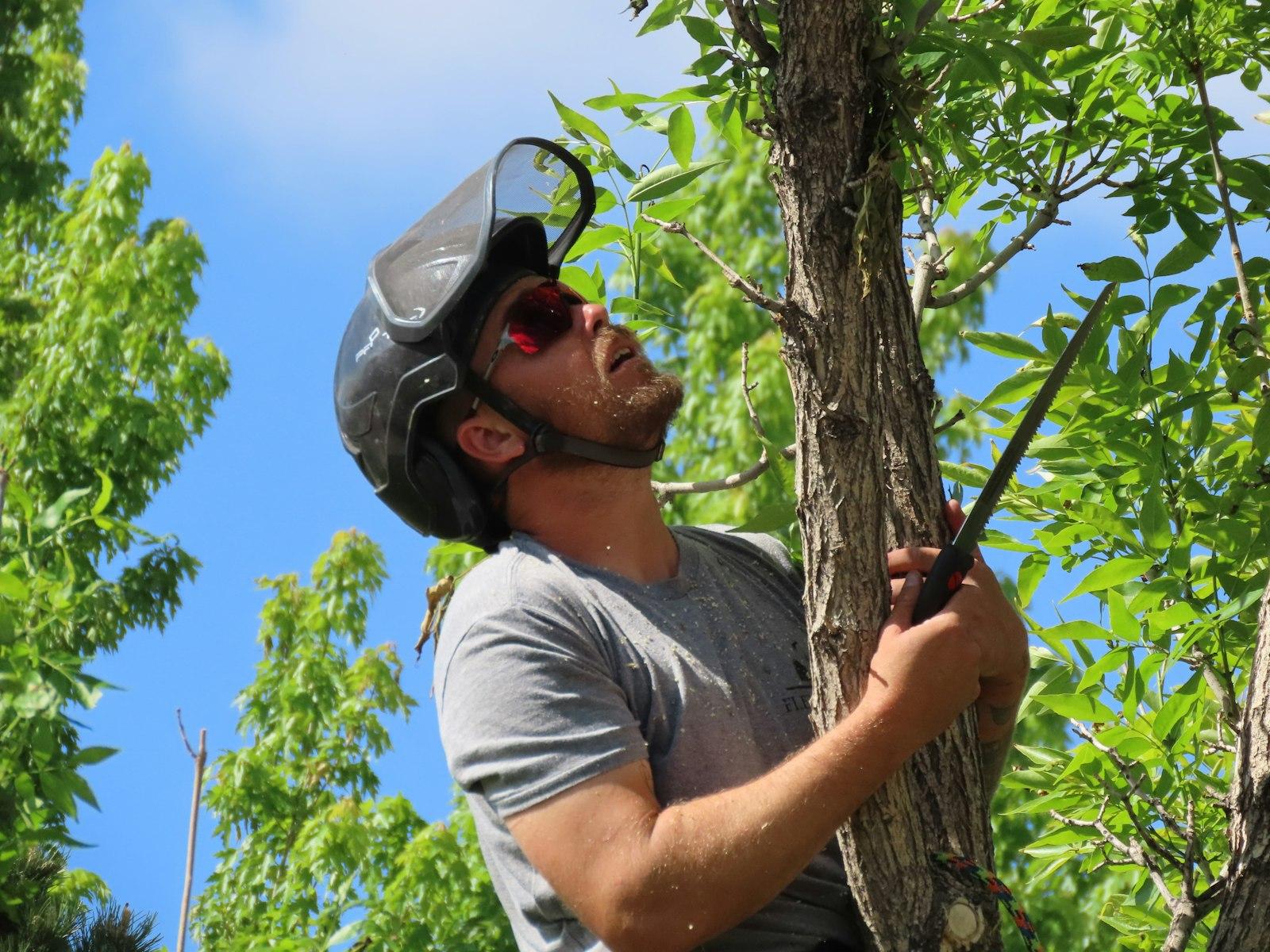
Storm damage is not always obvious. Use this post-storm checklist to safely inspect your trees, spot hidden hazards, and know exactly when to call a pro.
Why a Post-Storm Inspection Matters
When a storm passes, the obvious damage grabs your attention: the limb across the driveway, the branch on the roof. But some of the most dangerous storm damage is the kind you do not see at first. A cracked union, a partially uprooted tree, or a limb hung up in the canopy can fail hours or days later, often on a calm afternoon with no warning. A careful inspection after every storm helps you catch those hidden hazards before they become the next emergency.
First, Stay Safe
Before you inspect anything, protect yourself. Storm-damaged trees are unstable, and hazards are easy to miss.
Wait until the storm has fully passed and the wind has died down
Assume every downed line is live and stay far away from it
Never walk under limbs that are hanging, bent, or lodged in the canopy
Inspect from a distance first, and do not approach a leaning tree
Keep children and pets away from any damaged tree until it is cleared
If a tree is resting on your house, a power line, or a vehicle, do not attempt to move it. That is a job for a trained crew with the right equipment.
Work Through the Tree, Top to Bottom
Once you have confirmed the area is safe, inspect each tree methodically. Start at the crown and work your way down to the roots.
Canopy: Look for broken, hanging, or partially attached limbs caught in the branches. These "widow-makers" are a leading cause of post-storm injuries.
Trunk and unions: Check for fresh cracks, splits, or bark torn away where limbs meet the trunk. A new split can mean the tree is coming apart.
Lean: Compare the tree to how it stood before. A new or worsening lean is a serious red flag.
Base and roots: Look for heaving or cracked soil, lifted roots, or a root plate pulling out of the ground on one side.
Take photos as you go. They help you track changes and support any insurance claim later.
Know the Signs a Tree Is Now Dangerous
Some damage means a tree needs professional attention right away. Watch for these after any storm:
Share this article:
Need help with this right now?
We respond 24/7. Call (866) 320-7003 or start with the page that matches your situation.
Related Articles
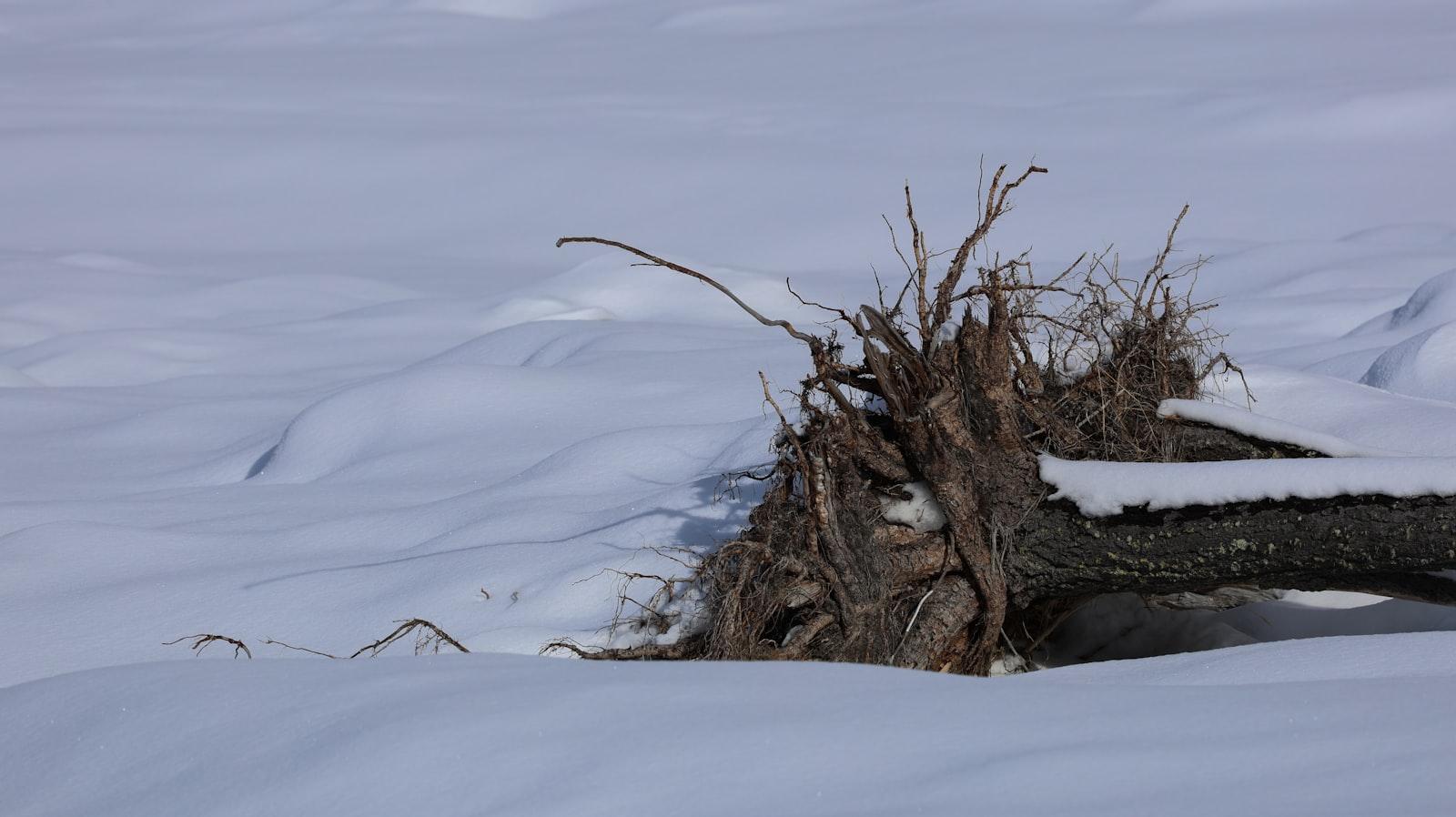
Root Damage and Why Trees Uproot in Storms
When a whole tree tips over in a storm, the wind did not snap it, the roots let go. Here is what weakens a root plate and the warning signs to watch for.
Spring Storm Tree Prep: A Homeowner's Checklist
Spring is the best time to get trees ready for storm season. Use this checklist to inspect, prune, and reduce the risk of failure before the weather turns.
How to Hire a Licensed, Insured Arborist
Need Emergency Tree Service?
Our team of certified arborists is available 24/7 to handle any tree emergency.