Summer Thunderstorm and Derecho Tree Damage

By Tree Emergency Expert
Tree Emergency Expert
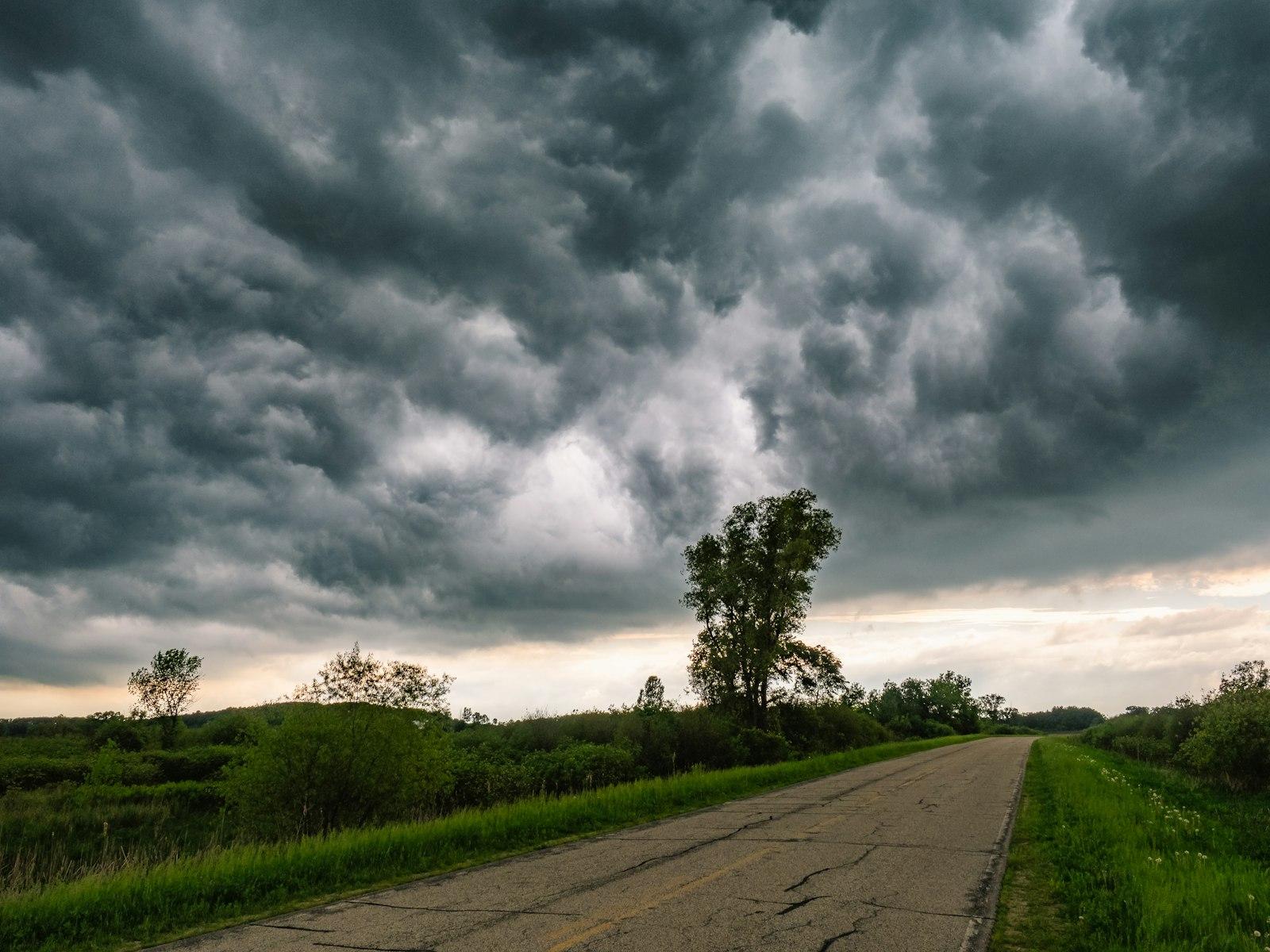
Summer thunderstorms and fast-moving derechos can topple healthy trees in minutes. Here is how to stay safe, spot hazards, and respond after the storm.
Summer Thunderstorm and Derecho Tree Damage
Summer weather can turn violent with little warning. A garden-variety afternoon thunderstorm can produce damaging straight-line winds, and once or twice a season those winds organize into a derecho, a long-lived, fast-moving windstorm that can flatten trees across hundreds of miles. Understanding how these storms damage trees, and what to do afterward, helps you stay safe and act quickly.
What Makes Summer Storms So Hard on Trees
Unlike winter, when trees are bare, summer trees are in full leaf. That dense canopy acts like a sail, catching wind and transferring enormous force to limbs, trunks, and roots. Combine that with rain-softened soil and you get the classic summer failures:
Uprooting, when saturated ground can no longer anchor a wind-loaded root plate.
Trunk and limb failure, when gusts exceed the wood's strength, often at old wounds or included bark.
Whole-canopy shredding from repeated microbursts and straight-line winds.
Derechos are especially dangerous because they arrive with hurricane-force gusts but almost no lead time. The National Weather Service explains derecho formation and safety at weather.gov. Monitoring watches and warnings during the summer months is the single best way to stay ahead of them.
Stay Safe During the Storm
When a severe thunderstorm warning is issued, move indoors and away from windows. Never shelter under a tree. If you are driving and trees are coming down, the safest move is often to stop away from the tree line and wait it out. After the storm passes, assume every downed line is live and stay far back.
Assessing Tree Damage After the Storm
Once conditions are safe, survey your property from a distance before approaching anything. Look for warning signs that a tree is still a threat:
A trunk that is leaning when it was upright before, or fresh soil heaving at the base.
Hanging or broken limbs lodged in the canopy, sometimes called widow-makers.
Cracks or splits in the main trunk or major branch unions.
Share this article:
Need help with this right now?
We respond 24/7. Call (866) 320-7003 or start with the page that matches your situation.
Related Articles
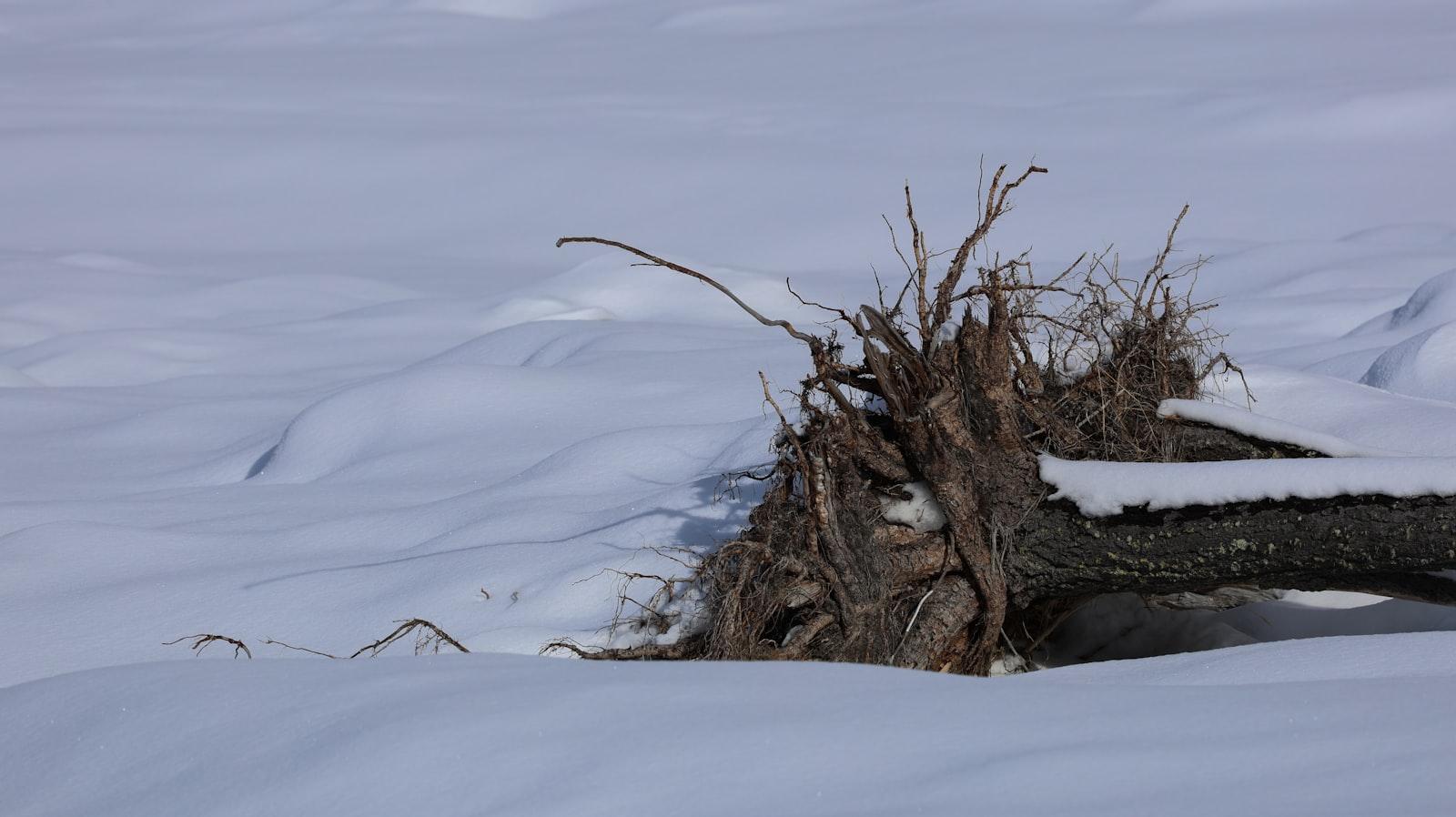
Root Damage and Why Trees Uproot in Storms
When a whole tree tips over in a storm, the wind did not snap it, the roots let go. Here is what weakens a root plate and the warning signs to watch for.
Spring Storm Tree Prep: A Homeowner's Checklist
Spring is the best time to get trees ready for storm season. Use this checklist to inspect, prune, and reduce the risk of failure before the weather turns.
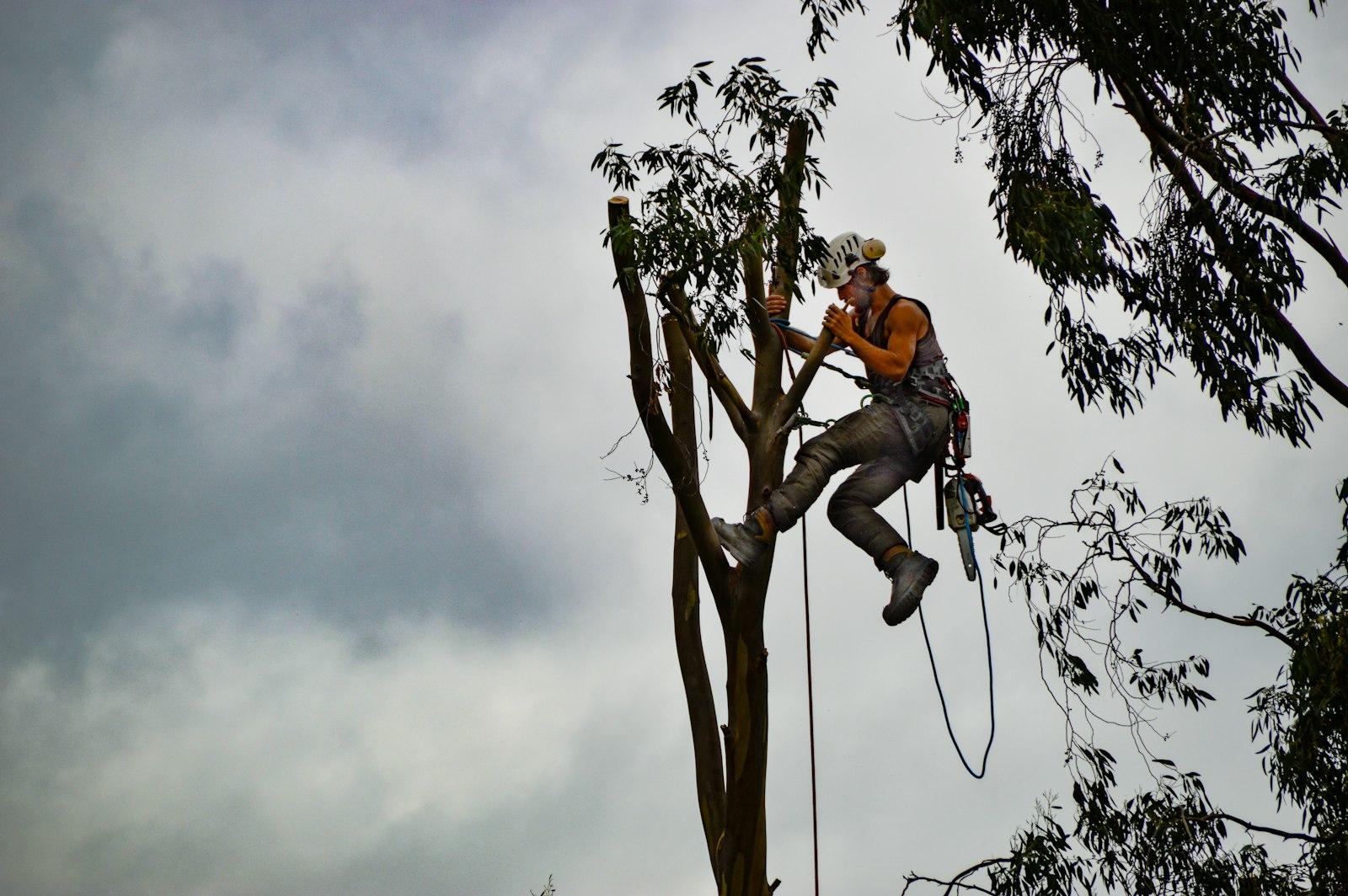
How to Hire a Licensed, Insured Arborist
Need Emergency Tree Service?
Our team of certified arborists is available 24/7 to handle any tree emergency.