New York Storm Tree Damage: A Statewide Guide

By Tree Emergency Expert
Tree Emergency Expert
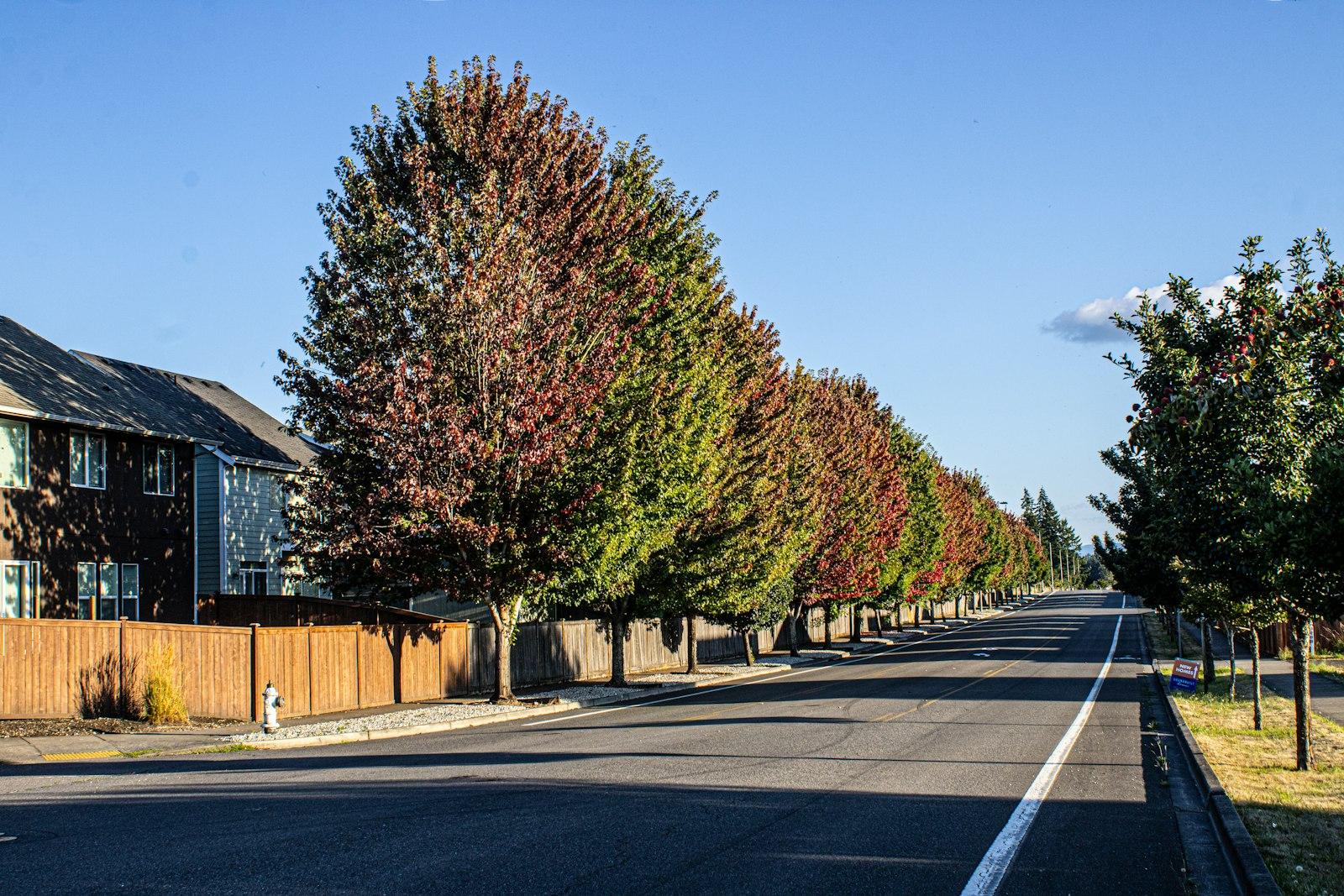
From coastal nor'easters and hurricane remnants downstate to lake-effect snow upstate, here is how New York storms damage trees and how to prepare your home.
How New York Storms Threaten Your Trees
New York is really several storm climates stitched together. Downstate, New York City and Long Island face coastal nor'easters and the remnants of tropical systems. The Hudson Valley and Capital Region catch ice and wind. And upstate, from Syracuse to Buffalo, lake-effect snow buries trees for months. Wherever you live, understanding how these storms fail trees is the first step to protecting your home.
Nor'easters and Tropical Remnants Downstate
For homeowners in Brooklyn, Queens, Nassau, and Suffolk counties, the biggest tree threats arrive off the Atlantic. Nor'easters drive sustained wind and days of rain that saturate the soil until root plates lose their grip. Tropical remnants can be worse: Superstorm Sandy in 2012 and the flooding remnants of Ida in 2021 toppled thousands of mature oaks and maples across the metro area. When the ground turns to mush, even a healthy street tree can uproot and land on a roof, car, or power line.
Lake-Effect and Wet Snow Upstate
Western and central New York sees a different beast. Lake-effect snow off Erie and Ontario dumps heavy, wet snow on Buffalo, Rochester, and Syracuse, loading branches with weight they were never built to hold. The November 2014 'Snowvember' event and the 2022 Buffalo blizzard snapped countless limbs. Early-season storms are the most destructive, because leaves are still on the trees and catch the snow like a sail. Ice storms across the Mohawk Valley and North Country add another layer, glazing limbs until they fail under the load.
Wind, Microbursts, and Weak Trees
Summer thunderstorms bring fast, localized damage. Microbursts produce straight-line winds that can rival a tornado over a few blocks, flattening otherwise healthy trees in seconds. NWS offices in Upton (OKX) and Buffalo (BUF) issue the warnings, but the trees most likely to fail are already compromised, carrying decay, cracks, or a heavy one-sided lean. Prevention beats reaction every time.
Preparing Your Trees Before the Season
The best work happens on calm, dry days, long before a storm is in the forecast:
Have mature trees inspected for lean, cracks, cavities, and deadwood
Prune dead limbs and thin dense canopies so wind can pass through
Clear branches away from the roof, driveway, and the service drop to your house
Note which trees overhang the home so you can prioritize them
Share this article:
Need help with this right now?
We respond 24/7. Call (866) 320-7003 or start with the page that matches your situation.
Service in your area
Related services
Related Articles
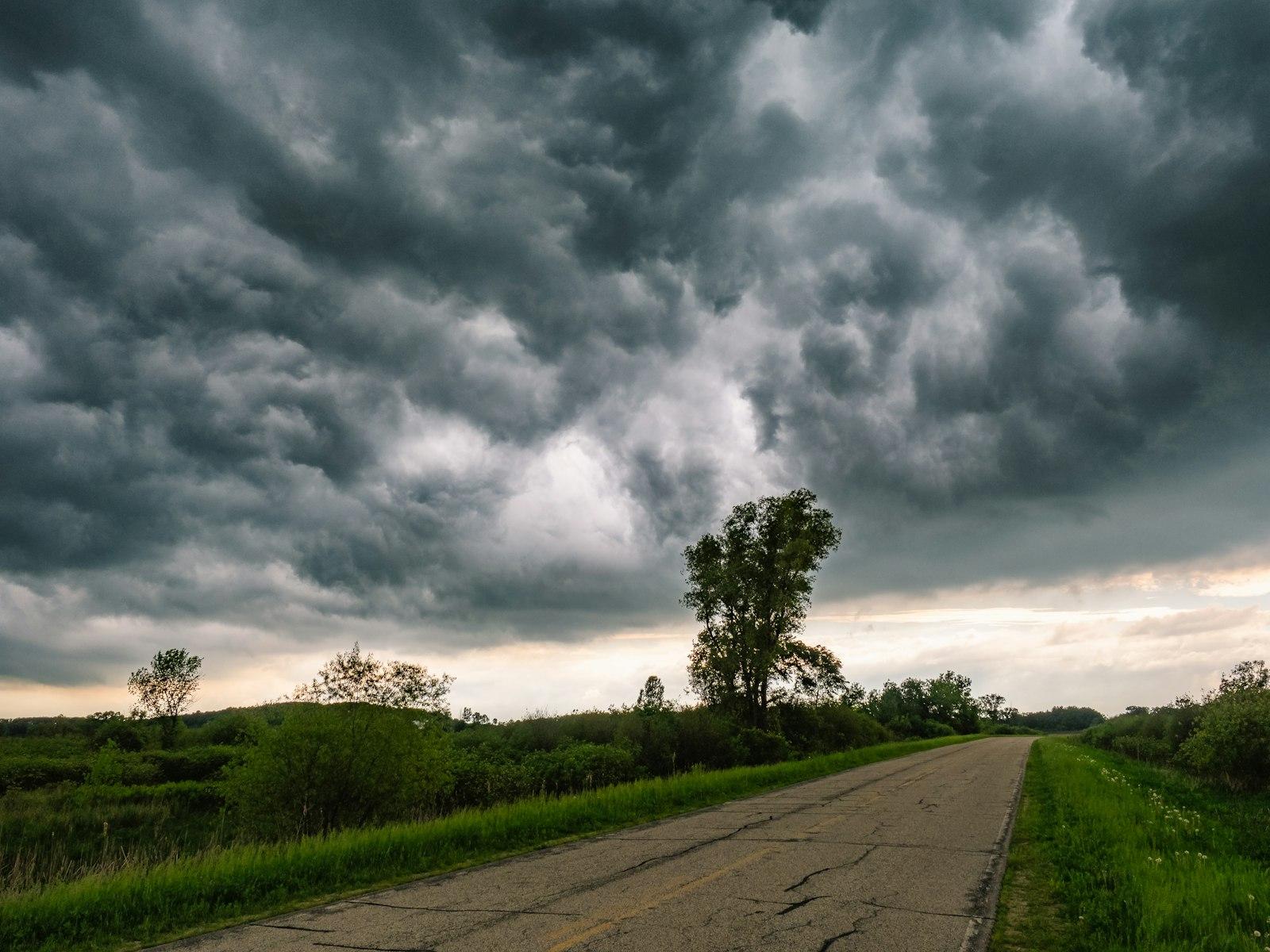
Summer Thunderstorm and Derecho Tree Damage
Summer thunderstorms and fast-moving derechos can topple healthy trees in minutes. Here is how to stay safe, spot hazards, and respond after the storm.
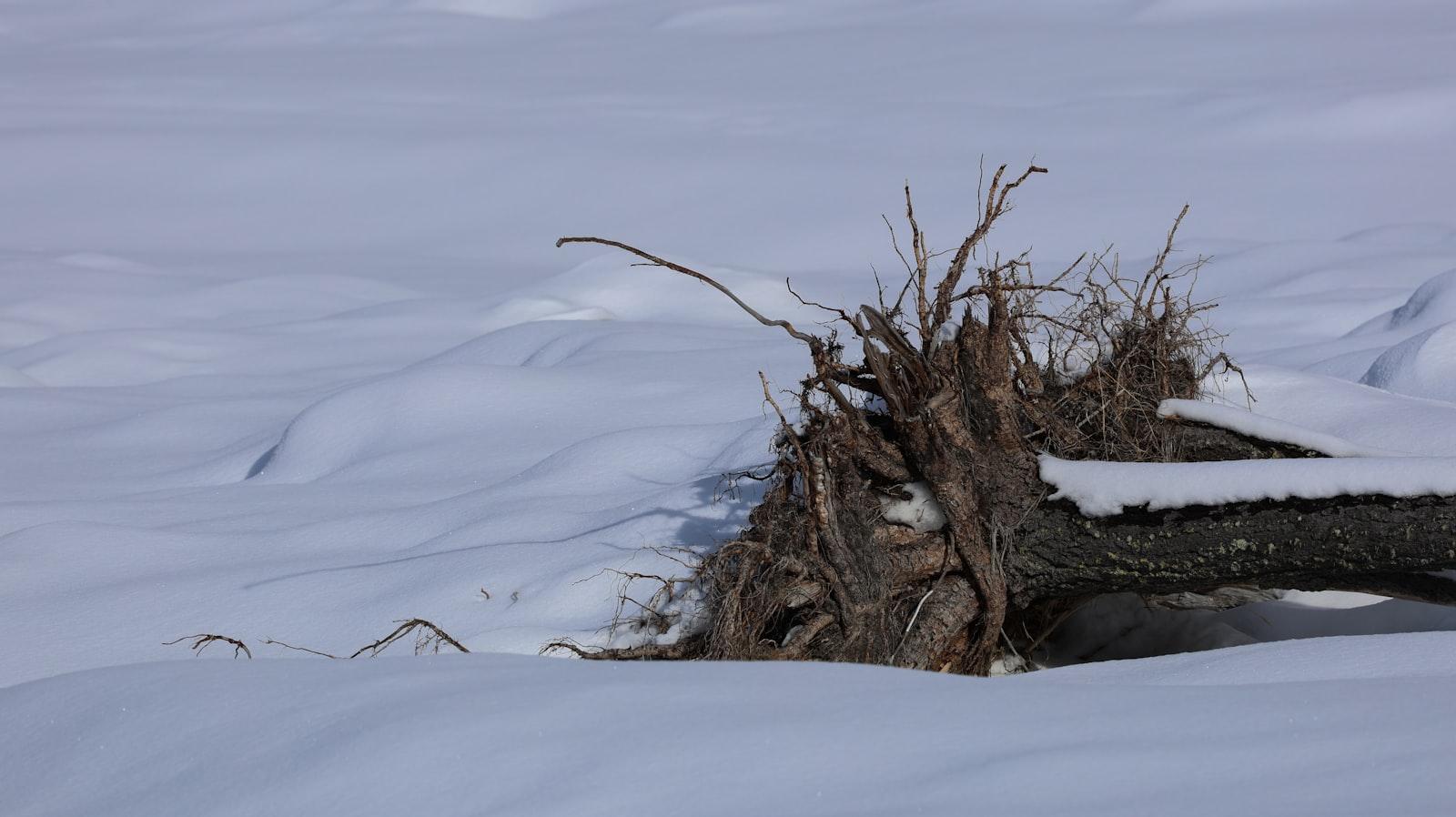
Root Damage and Why Trees Uproot in Storms
When a whole tree tips over in a storm, the wind did not snap it, the roots let go. Here is what weakens a root plate and the warning signs to watch for.
Spring Storm Tree Prep: A Homeowner's Checklist
Need Emergency Tree Service?
Our team of certified arborists is available 24/7 to handle any tree emergency.