When Do You Need a Crane to Remove a Tree?

By Tree Emergency Expert
Tree Emergency Expert
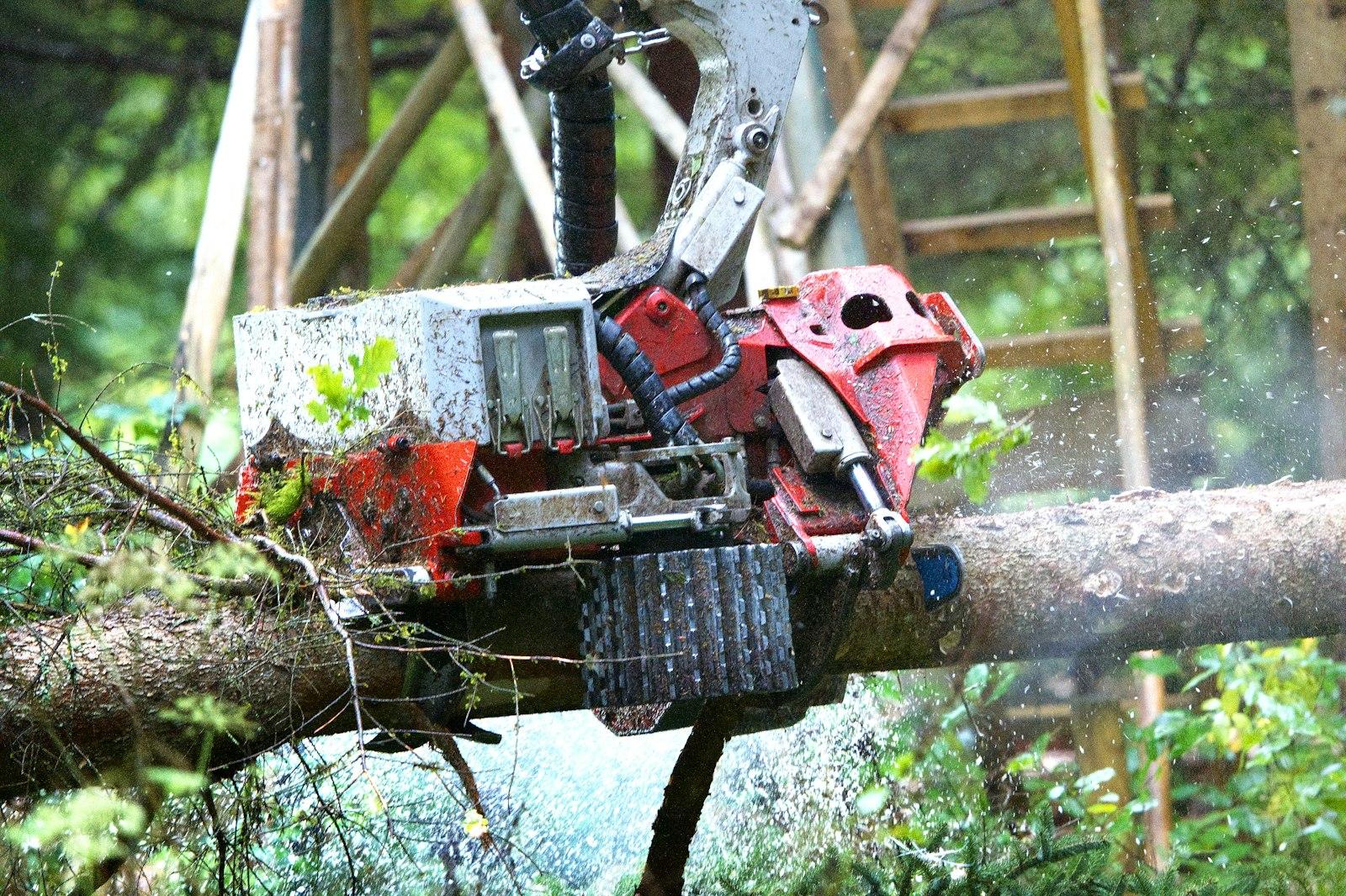
Not every tree needs a crane, but some do. Here is how experienced arborists decide when a crane pick is the safest way to protect your property.
Most tree removals are handled from the ground or with a climber and rigging ropes. But some trees are simply too big, too broken, or too close to a structure to take down that way safely. In those cases, a crane is not a luxury. It is the difference between a controlled lift and a piece of trunk crashing through your roof.
Here is how experienced crews decide when a crane belongs on the job, and how a crane pick actually protects your property.
Signs a Tree Removal Calls for a Crane
A few conditions push a job from standard rigging into crane territory. If you see one or more of these, expect a crane to come up in the conversation.
Massive trunks over a structure. A large oak or maple can hold thousands of pounds in a single leader. Lowering that weight on ropes above a house leaves little margin for error. A crane holds each piece before it is cut.
Trees on roofs. A tree that has already fallen onto a home is under tension and load you cannot see from the ground. Lifting it straight up with a crane avoids dragging or rolling that can widen the damage. This is core to our tree-on-house removal service.
Tight or blocked access. Backyards hemmed in by fences, pools, and other homes leave nowhere to drop wood. A crane can reach over obstacles and set each section in the street or a driveway.
Dead, split, or storm-damaged wood. Compromised fiber can fail without warning. A crane keeps crews out from under unstable sections.
How a Crane Pick Protects Your Property
The goal of a crane removal is control. Before any cut, the crew rigs a section to the crane and the operator takes up the weight, or the load. The climber or bucket operator then makes the cut while the piece is already supported. Nothing free-falls.
That controlled lift matters in a few ways:
No shock loading. Traditional rigging drops a piece and catches it, sending a jolt through the tree and ropes. A crane removes that shock, which protects both the crew and anything below.
Share this article:
Need help with this right now?
We respond 24/7. Call (866) 320-7003 or start with the page that matches your situation.
Related Articles
Minneapolis Storm Tree Damage: A Twin Cities Guide
Severe thunderstorms, derechos, ice, and emerald ash borer all threaten Minneapolis trees. Here is how Twin Cities storms cause damage and how to prepare.

Renters Insurance and Fallen Tree Damage Explained
When a tree falls on your rental, who pays for what? Here is how renters insurance, your landlord's policy, and the claims process typically fit together after a storm.
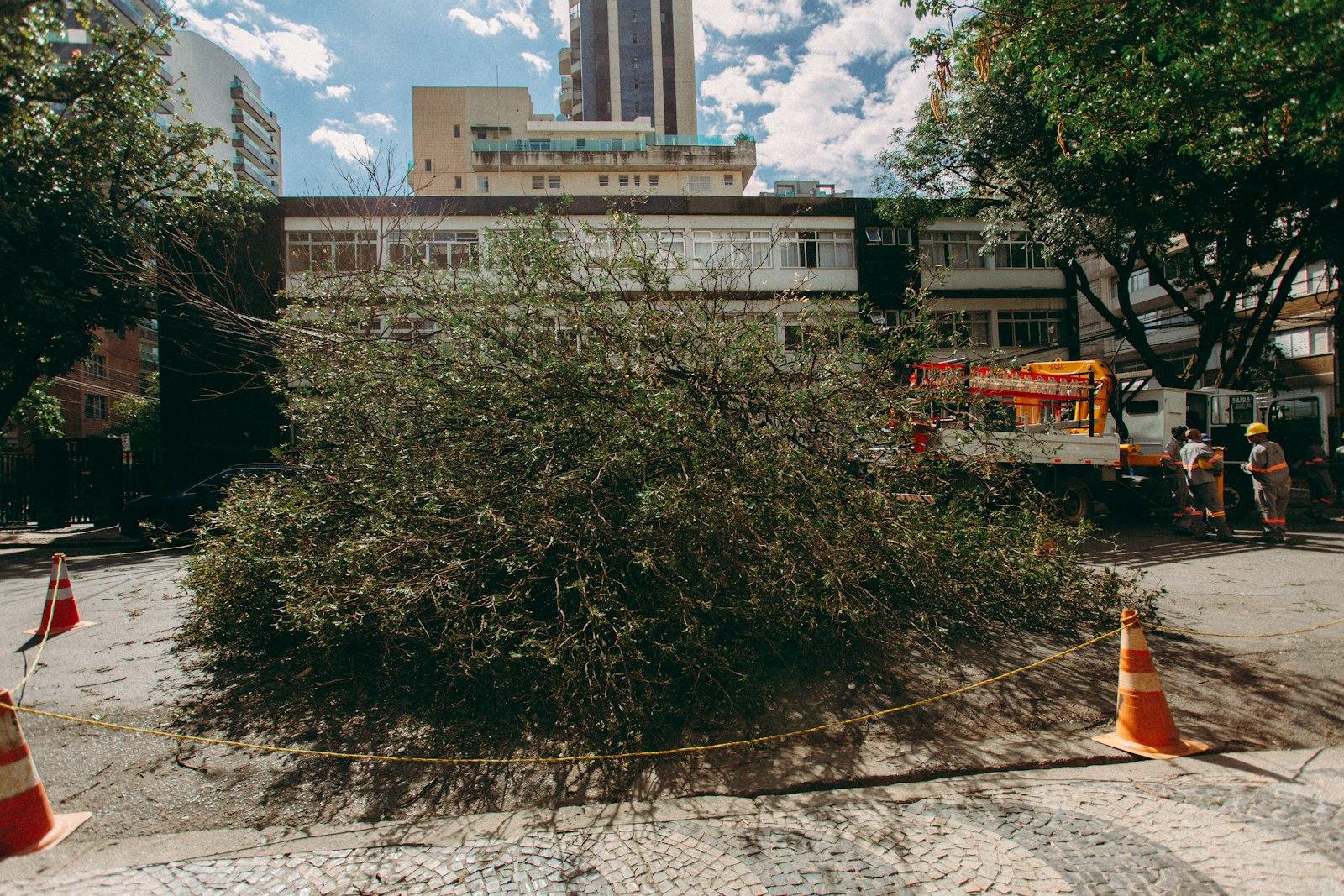
Emergency vs. Scheduled Tree Removal Explained
Need Emergency Tree Service?
Our team of certified arborists is available 24/7 to handle any tree emergency.