Signs a Tree Is Dangerous Before a Storm (and When to Act)

By Tree Emergency Expert
Tree Emergency Expert
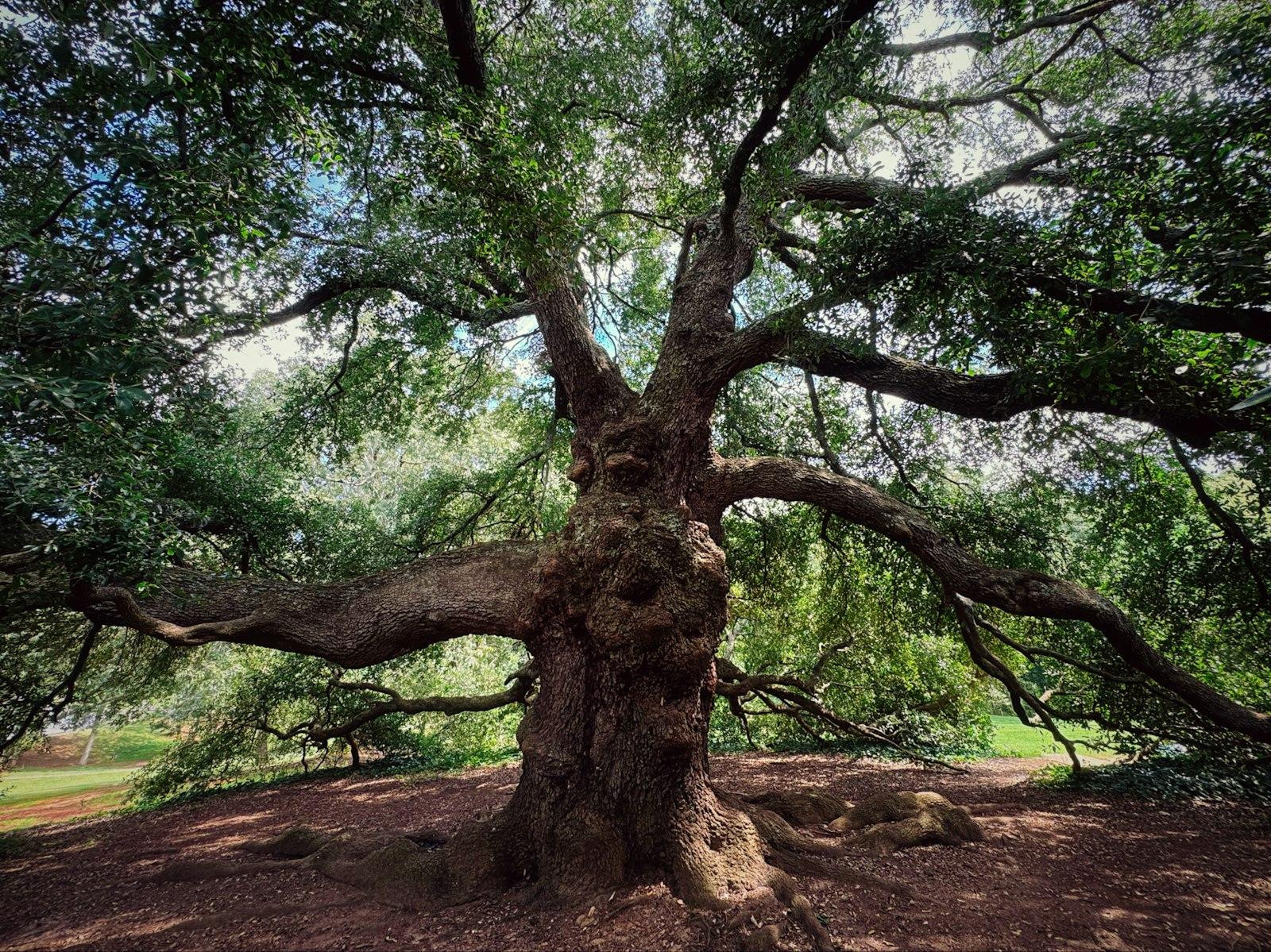
Most trees that fall in a storm showed warning signs first. Learn to spot lean, cracks, root heave, and dead limbs, and know when to act before the wind arrives.
Spotting a Dangerous Tree Before the Storm Hits
Most trees that fail in a storm were showing warning signs long before the wind arrived. Learning to read those signs, and knowing when to act, is one of the cheapest forms of storm protection a homeowner has. A twenty-minute walk around your property a few times a year can catch problems while they are still fixable, well before a nor'easter turns a weak tree into a falling hazard.
Lean and Root Heave
A tree that has always leaned slightly is usually fine. A tree that is leaning more than it used to, especially after a storm, is a red flag. Look at the base: if the soil is cracked, mounded, or lifting on the side opposite the lean, the root plate may be failing. Exposed or heaving roots, sometimes called root heave, mean the anchor holding the tree upright is loosening. A sudden lean with disturbed soil is close to an emergency and warrants a same-day look from a professional.
Cracks, Cavities, and Weak Unions
Run your eyes up the trunk and main branches. Deep vertical cracks, seams, or splits can signal that a tree is already coming apart internally. Cavities, soft or hollow-sounding wood, and shelf-like fungus at the base or on the trunk point to internal decay that hollows out a tree's strength from the inside. Pay special attention to spots where two trunks meet in a tight V shape with bark pinched between them. These "included bark" unions are structurally weak and split under wind and snow load. Our tree risk assessment evaluates exactly these features and rates how likely a tree is to fail.
Dead Limbs and Canopy Clues
Dead branches, often called widow-makers, can drop with no wind at all and are among the most common causes of storm injuries and roof damage. Watch for bare limbs with no leaves in summer, hanging or partially broken branches caught in the canopy, and large sections of the crown that leaf out later or thinner than the rest. A tree that is half green and half bare is telling you something is wrong. Peeling bark, sawdust-like frass at the base, or clusters of dead twigs can point to pests or disease stressing the tree.
Where the Tree Is Matters
Location changes the stakes. A structurally questionable tree in the back corner of a large lot is a very different problem from the same tree hanging over your bedroom, driveway, or the power drop to your house. When a tree overhangs a target you cannot afford to lose, the threshold for action drops. If you are unsure, an gives you a clear, on-site read on whether a tree can wait or needs attention now.
Share this article:
Need help with this right now?
We respond 24/7. Call (866) 320-7003 or start with the page that matches your situation.
Related Articles
Minneapolis Storm Tree Damage: A Twin Cities Guide
Severe thunderstorms, derechos, ice, and emerald ash borer all threaten Minneapolis trees. Here is how Twin Cities storms cause damage and how to prepare.
Renters Insurance and Fallen Tree Damage Explained
When a tree falls on your rental, who pays for what? Here is how renters insurance, your landlord's policy, and the claims process typically fit together after a storm.
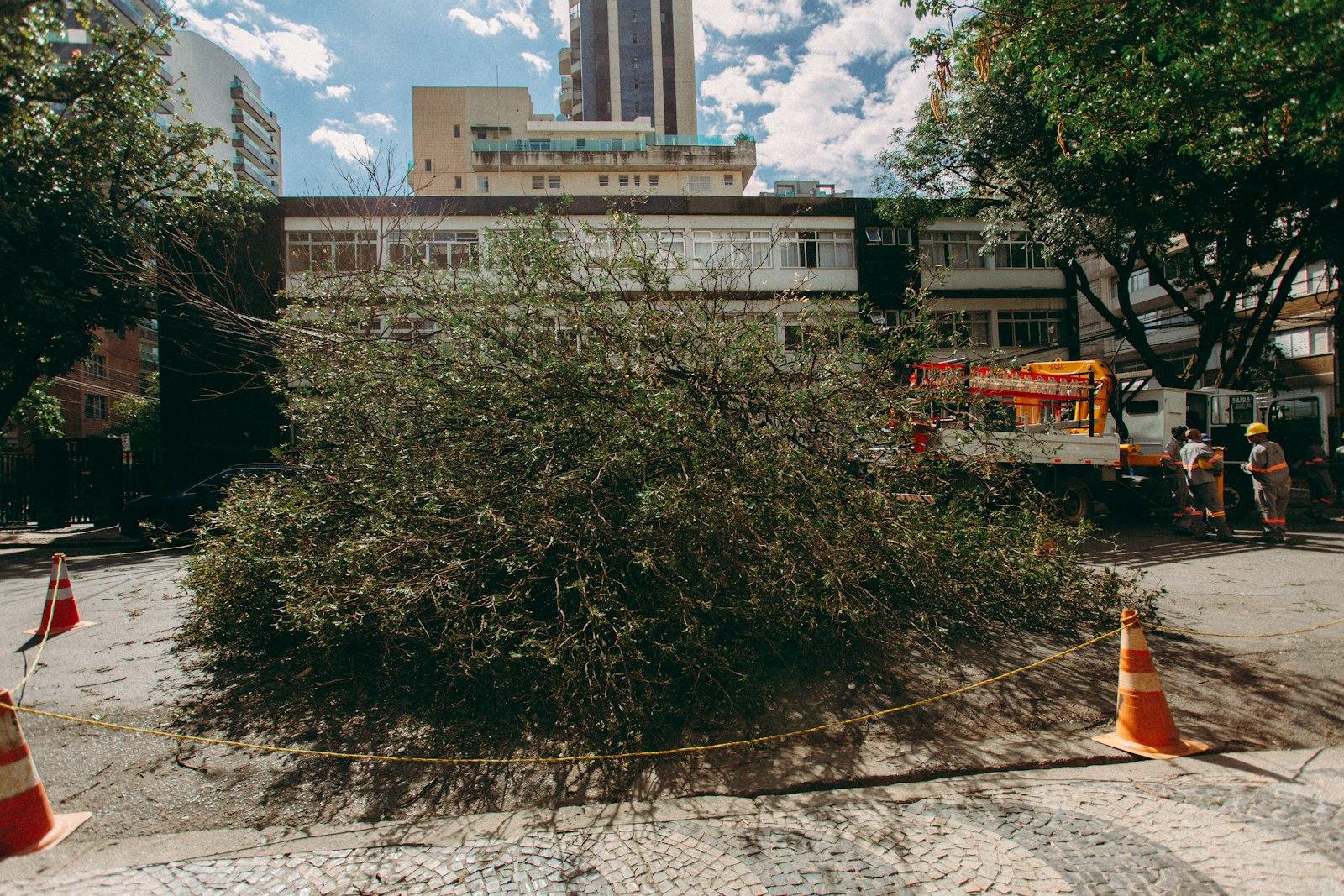
Emergency vs. Scheduled Tree Removal Explained
Need Emergency Tree Service?
Our team of certified arborists is available 24/7 to handle any tree emergency.